
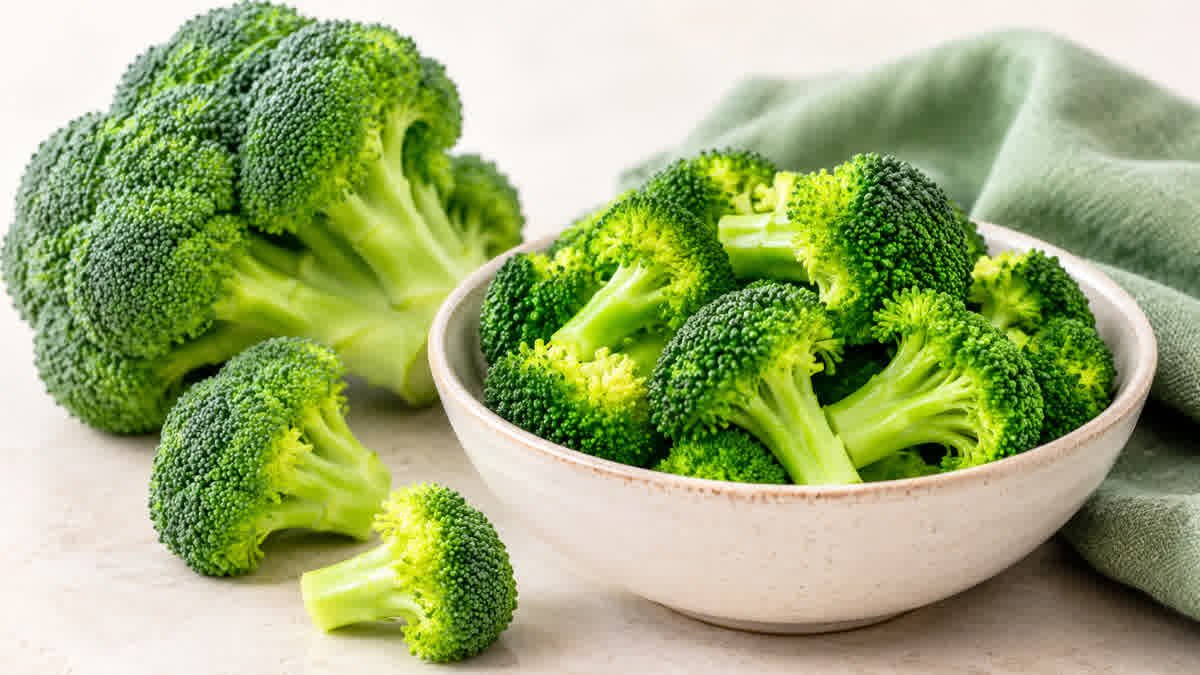

Broccoli is a nutritious vegetable that can fit into many healthy eating patterns, including those built around acid reflux management. Its naturally low fat content makes it a reasonable option for many people with heartburn. Broccoli is not widely recognized as a typical reflux trigger, although individual reactions vary.
That said, broccoli can cause gas and bloating in some people, especially in larger portions. Many people find cooked broccoli easier to tolerate than raw, and the amount you eat, along with the butter, cheese, oil, or spices you add, may influence how you feel afterward. In other words, the broccoli itself may matter less than how it is prepared and served.
This article covers broccoli’s benefits, its possible drawbacks, raw vs. cooked preparation, and practical tips for eating it comfortably. It does not suggest that broccoli neutralizes stomach acid, prevents GERD, or replaces medical care. It aims to help you decide whether this vegetable earns a place on your plate.
Is Broccoli Good for Acid Reflux? The Short Answer
Yes, broccoli can be a good choice for many people with acid reflux, although it does not relieve symptoms for everyone. It is a nutritious food, not a proven treatment for reflux or GERD.
Several characteristics make broccoli a sensible option:
- It is naturally low in fat.
- It supplies dietary fiber.
- It provides vitamin C, vitamin K, folate, and other nutrients.
- It can be prepared without large amounts of oil, butter, cream, or spicy seasonings.
The main limitation is that broccoli contains fiber and fermentable carbohydrates that may cause gas or bloating in susceptible people. It helps to separate two different experiences here. Acid reflux happens when stomach contents move back up into the esophagus, which can cause heartburn or regurgitation, as described by the National Institute of Diabetes and Digestive and Kidney Diseases (NIDDK). Gas and bloating are separate digestive sensations that can occur at the same time.
Feeling bloated after broccoli does not mean the vegetable raised your stomach acid. If broccoli does not worsen your symptoms, there is generally no reason to cut it out just because you have acid reflux. For a broader look at this vegetable, see our guide to the health benefits of broccoli.
How Broccoli May Affect Acid Reflux
Broccoli’s effects depend on its nutrient profile, how your body handles it, and what else is on the plate. Here is what is reasonable to say, and what is not.
Broccoli Is Naturally Low in Fat
NIDDK lists high-fat foods among those commonly linked to GERD symptoms. Plain steamed or boiled broccoli contains well under half a gram of fat per cup, according to USDA FoodData Central values. That makes it an easy way to add vegetables to a meal without adding much fat.
Low fat does not guarantee relief. Reflux has several contributors, and food is only one of them.
Broccoli Provides Dietary Fiber
Fiber supports normal digestion and overall diet quality. A 2019 review of diet and GERD notes that research on dietary patterns, including fiber intake, may be more useful than looking at single foods in isolation.
There is no good evidence that broccoli’s fiber keeps stomach acid out of the esophagus. Also, raising fiber intake too quickly can cause gas or bloating in some people. If you want more background, see our article on high-fiber foods for digestive health.
Broccoli May Cause Gas or Bloating
Broccoli belongs to the cruciferous vegetable family. It contains carbohydrates that gut bacteria ferment, which can produce gas in some people. Our overview of cruciferous vegetables explains this family in more detail.
A large, filling meal can also feel uncomfortable if you are prone to reflux. However, there is not enough evidence to conclude that broccoli itself directly causes GERD. If bloating is your main complaint, you may also want to read about whether acid reflux can cause bloating.
Individual Tolerance Matters
No single vegetable list works for everyone with acid reflux. NIDDK notes that some people find certain foods trigger their symptoms, and it advises talking with a doctor about foods that seem to make symptoms worse.
Broccoli’s suitability for you depends on personal tolerance, portion size, preparation, and the overall meal.
Nutritional Benefits of Broccoli
Broccoli is best viewed as a nutrient-rich vegetable, not a reflux remedy. Including it can help you meet your vegetable goals, which matters for overall health even when you are managing reflux. For ideas on adding more produce to your day, see how to eat more vegetables.
Vitamin C for Normal Body Function
Vitamin C supports normal immune function, collagen formation, and antioxidant activity. One cup of raw, chopped broccoli provides roughly 80 mg, according to USDA data. This does not mean vitamin C treats heartburn or heals reflux-related irritation of the esophagus.
Vitamin K for Bone Health and Blood Clotting
Vitamin K plays a role in normal blood clotting and bone health. A cup of raw chopped broccoli provides roughly 90 micrograms. If you take a blood thinner such as warfarin, ask your clinician about keeping your vitamin K intake consistent rather than avoiding vegetables.
Fiber for Digestive Health
Dietary fiber supports normal bowel function. A cup of raw chopped broccoli contains about 2.4 grams. Tolerance differs from person to person, and some people feel bloated after large servings of certain vegetables.
Folate and Other Nutrients
Broccoli also supplies folate, which the body uses to make DNA and support normal cell division, along with smaller amounts of potassium, calcium, and other nutrients. Our guide to leafy green and other nutrient-dense vegetables offers more variety if you want to rotate your choices.
| Nutrient or characteristic | Why it matters |
|---|---|
| Dietary fiber | Supports normal bowel function |
| Vitamin C | Supports normal immune function and collagen formation |
| Vitamin K | Contributes to normal blood clotting and bone health |
| Folate | Helps the body produce DNA and support normal cell division |
| Naturally low fat content | Makes plain broccoli a useful option for meals that limit added fat |
Approximate values above refer to 1 cup (about 91 g) of raw, chopped broccoli and come from USDA FoodData Central. Cooked broccoli has different values per cup because cooking changes volume and some nutrient levels.
These nutrients support general health. They have not been shown to prevent reflux.
Can Broccoli Cause Acid Reflux or Heartburn?
Broccoli is not a commonly listed GERD trigger, but you may still notice symptoms after eating it. NIDDK identifies foods and drinks commonly linked to GERD symptoms, including acidic foods such as citrus fruits and tomatoes, alcohol, chocolate, coffee and other sources of caffeine, high-fat foods, mint, and spicy foods. Broccoli is not on that list.
Gas and Bloating After Eating Broccoli
If you ask whether broccoli causes gas, the answer is that it can in some people. Bloating and abdominal pressure can feel uncomfortable, particularly after a large meal.
That does not mean gas automatically causes acid reflux. It also does not mean everyone who feels bloated will develop heartburn.
Large Portions May Be Uncomfortable
Eating a large amount of food at once can worsen reflux symptoms for some people. If you are unsure how broccoli affects you, start with a modest serving and adjust based on how you feel. There is no medically established “right” serving size for GERD.
Added Fat and Spicy Ingredients May Matter More
Broccoli often arrives with butter, cheese sauce, cream, oil-heavy dressings, garlic, chili, or other seasonings. Some of these, such as high-fat or spicy ingredients, are more commonly linked to symptoms than the vegetable itself.
When you react to a dish, ask whether it was the broccoli or the rest of the meal. Our guide on what makes acid reflux worse may help you spot other contributors.
How to Tell Whether Broccoli Is a Trigger
A simple food and symptom diary can help. Note the following:
- Whether you ate raw or cooked broccoli
- Roughly how much you ate
- Which sauces or seasonings came with it
- When symptoms started
- Whether similar symptoms occur after other foods
One uncomfortable episode does not prove a food trigger. Patterns over several days or weeks are more informative.
Raw vs. Cooked Broccoli for Acid Reflux
Many readers want to know whether to choose raw or cooked broccoli. The honest answer is that there is limited direct research comparing the two specifically for acid reflux, so personal tolerance should guide you. For a general comparison, see our article on raw vs. cooked vegetables.
Is Cooked Broccoli Good for Acid Reflux?
Cooking softens broccoli’s structure and may make it easier for some people to chew and tolerate. Steaming or boiling also lets you prepare it with little or no added fat.
However, cooking does not guarantee that broccoli will avoid heartburn or eliminate bloating.
Can You Eat Raw Broccoli With Acid Reflux?
Yes, raw broccoli can be part of a balanced diet if it does not trigger your symptoms. Some people find it less comfortable because of its firmer texture or its tendency to cause gas. Try a small amount before deciding to avoid it entirely.
Best Cooking Methods to Try
- Steaming: Softens the florets without added fat.
- Boiling: Produces a softer texture and works well in soups or simple vegetable dishes.
- Light roasting: Adds variety and flavor, as long as you do not rely on lots of oil or spicy seasonings.
- Microwaving: Softens broccoli quickly with little or no added fat.
The method matters mainly because of texture, added ingredients, and your own tolerance. No cooking technique has been proven to treat acid reflux.
| Preparation | Potential advantage | What to consider |
|---|---|---|
| Raw broccoli | Crisp texture and convenient preparation | May be less comfortable for people prone to bloating |
| Steamed broccoli | Soft texture with minimal added fat | May be a useful starting point for sensitive digestion |
| Boiled broccoli | Softens the vegetable and works in soups | Some water-soluble nutrients may enter the cooking water |
| Lightly roasted broccoli | Adds variety and flavor | Large amounts of oil or spicy seasoning may cause symptoms |
If raw broccoli tends to cause discomfort, try plain, cooked broccoli first. Our guide to washing and storing vegetables can help keep your broccoli fresh and ready for these simple preparations.
How to Eat Broccoli If You Have Acid Reflux
These steps are ways to test your own tolerance, not guaranteed treatments.
Start With a Small Portion
Try a modest serving rather than a large bowl. You can gradually adjust based on comfort and symptoms. No specific amount is right for everyone.
Choose Simple Cooking Methods
Steaming, boiling, or light roasting are easy starting points. You do not need to avoid butter, cream, cheese, oil, or chili permanently. The goal is to learn which ingredients, if any, are personal triggers for you.
Combine Broccoli With Other Foods
Pair broccoli with foods you already tolerate, such as:
- Plain rice or another familiar grain
- Baked potatoes
- Lean chicken or fish
- Tofu or another tolerated protein
- Other cooked vegetables that do not worsen your symptoms
No combination is guaranteed to relieve reflux. These are simply low-fuss ways to build a balanced plate.
Avoid Large Meals Close to Bedtime
Meal timing can matter independently of what you eat. NIDDK notes that if you have GERD symptoms at night or when lying down, eating meals at least 3 hours before you lie down or go to bed may improve symptoms. This is especially relevant if your evening meal is large and includes several foods.
Keep Track of Your Symptoms
Record portion size, preparation method, meal timing, and how you feel. Avoid cutting out several nutritious foods at once without a clear reason, because that can make it harder to identify what actually helps.
Example: Suppose you feel bloated after a large serving of raw broccoli with a rich cheese sauce. You could try a smaller serving of steamed broccoli with a simpler meal, then note whether anything changes. This is individualized food testing, not a guaranteed fix.
Is Broccoli Better Than Other Vegetables for Acid Reflux?
Broccoli does not need to outperform other vegetables to be a suitable choice. The best vegetables for acid reflux depend on your tolerance, preparation, portion size, and the rest of the meal. Our guides to vegetables for gut health and spinach offer additional options.
| Vegetable | Potential consideration for people with acid reflux |
|---|---|
| Broccoli | Nutrient-rich but may cause gas or bloating in some people |
| Carrots | Can be eaten raw or cooked, depending on individual tolerance |
| Green beans | Can be prepared simply with little added fat |
| Spinach | Can be included in meals if tolerated |
| Cauliflower | May cause gas or bloating in some people |
| Bell peppers | Tolerance may vary, particularly depending on preparation and accompanying ingredients |
This table lists practical considerations. It is not a medically validated ranking of vegetables by their ability to prevent reflux, and no research shows broccoli is the best vegetable for GERD.
Who Should Be Careful About Eating Broccoli?
If you consistently feel bloated, gassy, or uncomfortable after broccoli, changing the portion size or preparation method may help. People with irritable bowel syndrome (IBS) or other digestive sensitivities may react differently to cruciferous vegetables. That does not make broccoli dangerous, and it does not mean everyone with these conditions must avoid it.
Persistent heartburn should not automatically be blamed on diet. NIDDK advises seeing a doctor if you think you have GERD or if symptoms do not improve with over-the-counter medicines or lifestyle changes. Seek assessment sooner if you have trouble swallowing, persistent vomiting, or loss of appetite. Our guide on when to see a doctor for acid reflux walks through these signs.
Safety note: Chest pain with shortness of breath, sweating, dizziness, or pain spreading to the arm or jaw needs emergency medical care. The Mayo Clinic advises seeking help right away for these symptoms, since they can signal a heart attack. Do not assume they are heartburn. See also our article on when chest pain is an emergency.
Other Ways to Manage Acid Reflux
Managing reflux involves more than choosing individual foods. Broccoli fits into a bigger picture. For more ideas, see our guide to managing acid reflux at home.
Identify Personal Food Triggers
Watch for foods and drinks that repeatedly worsen your symptoms, instead of following an unnecessarily restrictive diet. Our overview of what causes acid reflux can help you understand likely contributors.
Adjust Meal Timing and Size
Smaller meals may feel more comfortable for some people. The American College of Gastroenterology (ACG) clinical guideline supports individualized trigger avoidance and several lifestyle measures, including avoiding meals within two to three hours of bedtime. NIDDK also notes that if you have overweight or obesity, your doctor may suggest weight loss to reduce GERD symptoms.
Consider Sleep Position
If you have nighttime reflux, raising the head of the bed and sleeping on your left side may help some people, and these steps are commonly recommended in guideline-based lifestyle advice. Ask your clinician what is appropriate for you.
Seek Medical Advice When Needed
Persistent GERD may need medication or further assessment. Read about acid reflux treatment options for an overview. Never stop prescribed medication or replace medical care with diet changes alone.
Frequently Asked Questions About Broccoli and Acid Reflux
Is broccoli good for acid reflux?
Broccoli can be a suitable food for many people with acid reflux because it is naturally low in fat and provides fiber and important nutrients. However, individual tolerance varies, and broccoli may cause gas or bloating in some people.
Is raw or cooked broccoli better for acid reflux?
Cooked broccoli may be easier for some people to tolerate because cooking softens its texture. However, there is limited direct evidence showing that cooked broccoli is better than raw broccoli specifically for acid reflux. Try both in small amounts and see which one feels better.
Can broccoli cause heartburn?
Broccoli is not a commonly identified GERD trigger, based on NIDDK’s list of foods commonly linked to symptoms. Still, some people notice discomfort after eating it. Large portions, bloating, and rich sauces or seasonings may contribute.
Does broccoli cause gas?
It can in some people, because broccoli contains fiber and carbohydrates that gut bacteria ferment. Smaller portions, cooking, and gradually increasing your intake may make it easier to tolerate.
Does broccoli reduce stomach acid?
There is no good evidence that eating broccoli directly reduces stomach acid or treats GERD. Its nutritional value should not be confused with a proven acid-reducing effect.
Can I eat broccoli at night if I have acid reflux?
You may be able to, if it does not trigger your symptoms. However, a large meal close to bedtime can worsen nighttime reflux. NIDDK suggests finishing meals at least 3 hours before you lie down or go to bed if you have nighttime symptoms.
Should I avoid broccoli if I have GERD?
Not necessarily. If broccoli does not worsen your symptoms, you generally do not need to eliminate it solely because you have GERD. If it consistently causes discomfort, try adjusting the portion or preparation and discuss persistent symptoms with a healthcare professional.
Conclusion
Broccoli can be part of a balanced diet for many people with acid reflux, but it is not a treatment for GERD. Start with a modest serving, try simple cooking methods, and pay attention to how your body responds. Meal size, overall meal composition, and eating close to bedtime may also affect your symptoms.
You do not necessarily need to avoid broccoli if you have acid reflux. The best approach is to find a preparation and portion size you tolerate comfortably. If your symptoms are frequent, severe, or persistent, talk with a healthcare professional for an appropriate evaluation.
Sources
- National Institute of Diabetes and Digestive and Kidney Diseases. Acid Reflux (GER & GERD) in Adults
- National Institute of Diabetes and Digestive and Kidney Diseases. Eating, Diet, & Nutrition for GER & GERD
- National Institute of Diabetes and Digestive and Kidney Diseases. Symptoms & Causes of GER & GERD
- Katz PO, et al. ACG Clinical Guideline for the Diagnosis and Management of Gastroesophageal Reflux Disease. Am J Gastroenterol. 2022.
- Newberry C, Lynch K. The role of diet in the development and management of gastroesophageal reflux disease: why we feel the burn. J Thorac Dis. 2019.
- Mayo Clinic. Gastroesophageal reflux disease (GERD): Symptoms and causes
- U.S. Department of Agriculture. FoodData Central
Medical Disclaimer: This article is for informational and educational purposes only and is not a substitute for professional medical advice, diagnosis, or treatment. Always talk with a qualified healthcare professional about your symptoms, diet, and medications. Seek emergency care right away if you have chest pain with shortness of breath, sweating, dizziness, or pain spreading to the arm or jaw.