
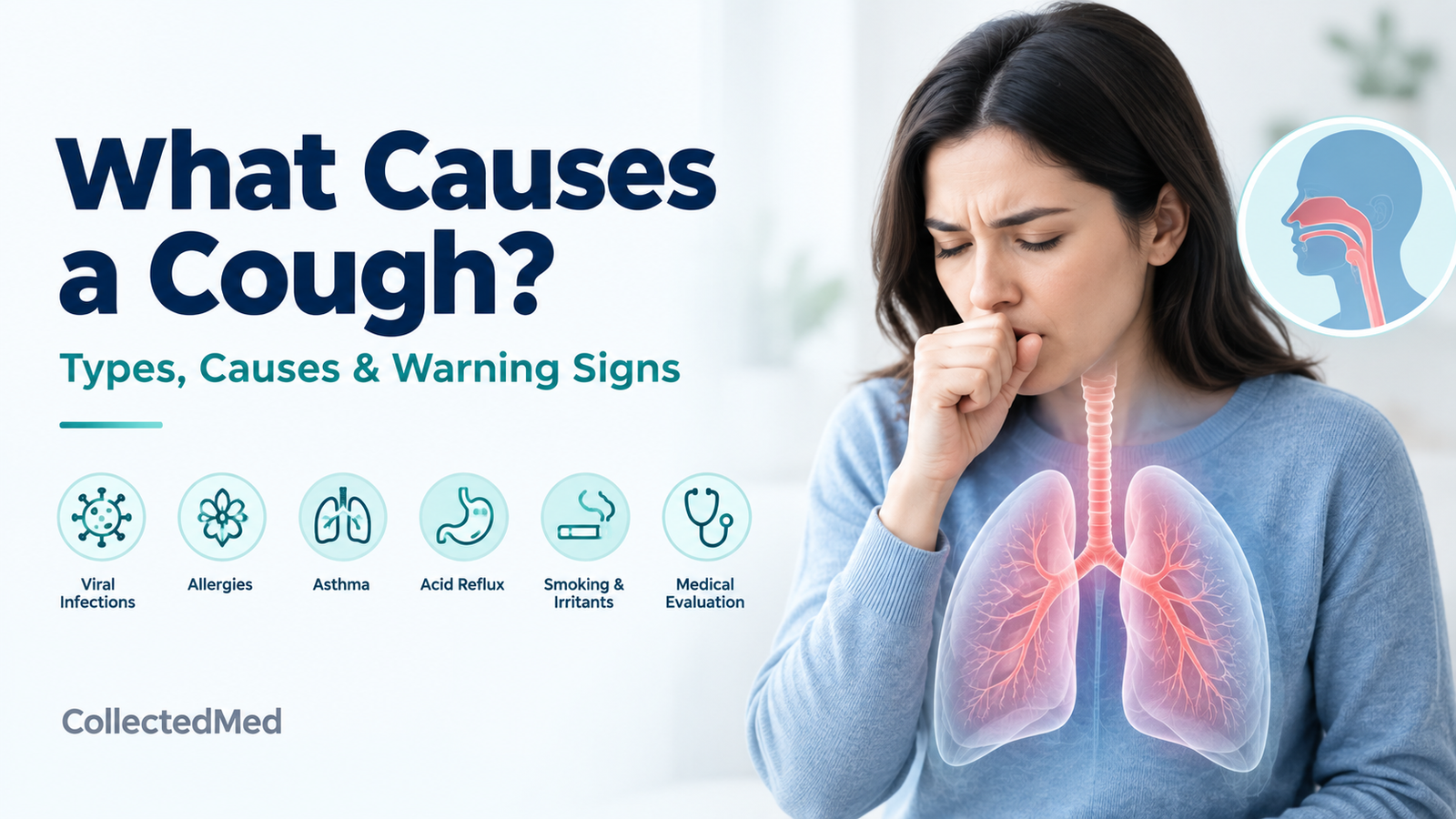

A cough is one of the most common reasons people visit a doctor. It’s also one of the body’s most useful reflexes. Coughing helps clear your airways of mucus, dust, and other irritants, protecting your lungs from harm.
Most coughs come from something temporary, like a cold or a bit of dust in the air. Others point to an ongoing condition that needs attention. The type of cough, how long it lasts, and what other symptoms show up alongside it can all offer useful clues.
This guide walks through why coughing happens, the different types of cough, common and less common causes, and when it’s time to see a doctor. A cough alone can’t diagnose the cause — that takes a proper medical evaluation, which this guide will also explain.
What Is a Cough?
A cough is a reflex your body uses to protect and clear your airways. According to MedlinePlus, a service of the National Library of Medicine at the NIH, coughing keeps your throat and airways clear, and although it can be annoying, it helps your body heal or protect itself.
How the cough reflex works
Nerve endings in your throat, airways, and lungs sense irritation. They send a signal to your brain, which triggers a quick, forceful release of air. That burst of air pushes out mucus, germs, or foreign particles.
Why coughing is useful
Without this reflex, irritants and mucus could build up in your lungs and airways. Coughing is your body’s built-in cleaning system, and it usually means something is working correctly, not that something is wrong.
Occasional versus persistent cough
An occasional cough, like the one you get from a dry throat or a whiff of smoke, usually resolves on its own within minutes or hours. A persistent cough sticks around for days, weeks, or longer, and it’s more likely to signal an underlying cause worth looking into.
Is Coughing Always a Sign of Illness?
Not necessarily. Dust, smoke, dry air, and strong odors can all trigger a short-lived cough in a perfectly healthy person. Coughing tied to an infection or a chronic condition tends to last longer or come with other symptoms, like fever or wheezing. Context — how long the cough lasts, what triggers it, and what comes with it — matters more than the cough itself.
What Are the Different Types of Cough?
Doctors often classify coughs by how long they last and what they sound or feel like. These categories help narrow down the likely cause.
Acute Cough
An acute cough develops suddenly and is usually linked to a respiratory infection or short-term irritation, according to StatPearls. It typically lasts less than three weeks. Duration alone doesn’t identify the cause, since both minor colds and more serious infections can start this way.
Persistent or Subacute Cough
A subacute cough continues past the point where a typical cold or short-term illness would resolve, generally lasting three to eight weeks. This pattern is often a lingering effect of a previous infection, but ongoing symptoms at this stage are worth mentioning to a doctor, especially if they’re not improving.
Chronic Cough
According to the American College of Chest Physicians’ cough guideline, chronic cough in adults is defined as lasting longer than eight weeks, as summarized by the American Lung Association. Common causes include asthma, acid reflux, and postnasal drip. A cough that reaches this point deserves a medical evaluation to identify the underlying cause.
Dry Cough
A dry cough produces little or no mucus. Common causes include viral infections, throat irritation, asthma, and certain medications, including some blood pressure drugs.
Wet or Productive Cough
A wet cough brings up mucus or phlegm. The color of that mucus doesn’t reliably tell you whether an infection is bacterial or viral, so it shouldn’t be used on its own to decide whether antibiotics are needed.
Cough With Wheezing
Wheezing is a whistling sound that can occur when the airways narrow. When a cough comes with wheezing, asthma or another airway condition is often involved, and it’s worth having evaluated.
Barking or Whooping Cough
Some coughs have a distinctive sound. A harsh, barking cough is often linked to croup, more common in young children. A high-pitched “whoop” during inhaling can be a sign of pertussis, also called whooping cough. According to the CDC, pertussis is a highly contagious respiratory illness that vaccination helps prevent.
What Causes a Cough?
Cough causes range from everyday irritation to conditions that need ongoing medical care. Here are the most common ones, starting with the most frequent.
Viral Respiratory Infections
The common cold, influenza, and COVID-19 are among the most frequent causes of cough. According to the CDC, these infections often come with a runny nose, sore throat, fever, congestion, and fatigue, and most colds resolve on their own without antibiotics, since colds are caused by viruses. If fatigue lingers well past the infection itself, our guide to what causes fatigue covers other possible explanations worth ruling out.
Postnasal Drip
When mucus from your nose or sinuses drains down the back of your throat, it can trigger coughing, especially at night. This is one of the most common causes of a lingering cough after a cold. If postnasal drip also brings on facial pressure or head pain, our guide to what causes headaches covers related symptoms worth watching for.
Asthma
Cough can be a primary symptom of asthma, sometimes appearing alongside wheezing and chest tightness. Symptoms often worsen at night or after exposure to specific triggers, like cold air or exercise.
Allergies
Environmental allergens, such as pollen, dust mites, or pet dander, can trigger nasal symptoms and postnasal drainage that lead to coughing. Allergy-related cough often follows a seasonal pattern, showing up at the same time each year.
Acid Reflux and GERD
Stomach acid or refluxed contents can irritate the throat and airway, triggering a cough, even without the classic burning sensation of heartburn. According to the National Institute of Diabetes and Digestive and Kidney Diseases (NIDDK), part of the NIH, respiratory problems are among the possible symptoms of gastroesophageal reflux disease (GERD), alongside heartburn and regurgitation. Our overview of common digestive problems covers how reflux and other digestive issues can show up in unexpected ways.
Smoking and Secondhand Smoke
Tobacco smoke irritates the airways directly and is a leading cause of persistent cough. According to the CDC, smoking harms nearly every organ in the body and causes lung diseases, including most cases of chronic obstructive pulmonary disease (COPD). Quitting smoking, and avoiding secondhand smoke, is one of the most effective ways to reduce cough linked to airway irritation.
Environmental Irritants
Dust, air pollution, chemical fumes, strong odors, and workplace exposures can all trigger coughing. Identifying and reducing exposure to a specific irritant often resolves the cough without further treatment.
Certain Medications
Some medications list cough as a possible side effect, including a class of blood pressure medications called ACE inhibitors. MedlinePlus lists ACE inhibitors specifically among the recognized causes of cough. If you suspect a medication is causing your cough, don’t stop taking it on your own — talk to the prescribing doctor first, since suddenly stopping certain medications can be risky. The FDA also advises checking with a doctor or pharmacist before giving any over-the-counter cough or cold medicine to young children.
Medical Conditions That Can Cause a Persistent Cough
A lingering cough doesn’t automatically mean a serious condition is present, but a few less common causes are worth knowing about.
COPD, Pneumonia, and Chronic Bronchitis
Chronic obstructive pulmonary disease (COPD) narrows and damages the airways over time, often from long-term smoking, and typically causes an ongoing cough with mucus. Pneumonia is a lung infection that causes cough along with fever, chills, and difficulty breathing, and usually requires prompt treatment. Chronic bronchitis involves ongoing airway inflammation that produces a mucus-producing cough lasting months at a time, often recurring year after year.
Tuberculosis and Heart Failure
Tuberculosis is a bacterial infection that can cause a persistent cough, sometimes with blood, along with night sweats and weight loss; risk depends on geographic exposure and individual risk factors. The CDC specifically lists a bad cough lasting three weeks or longer as a common symptom of TB disease in the lungs. Heart failure can also cause a cough, particularly one that worsens when lying down as fluid builds up in the lungs, often alongside shortness of breath and leg swelling.
Lung Cancer
A persistent cough, especially one that changes character or comes with coughing up blood or unexplained weight loss, can occasionally signal lung cancer. This is one reason a cough lasting more than eight weeks deserves medical evaluation rather than being assumed harmless.
What Symptoms Can Occur With a Cough?
Symptoms that show up alongside a cough help a doctor figure out what’s going on and how urgently it needs attention. Watch for:
- Fever
- Shortness of breath
- Wheezing
- Chest pain
- Sore throat
- Runny or blocked nose
- Fatigue
- Hoarseness
- Mucus or phlegm
- Night sweats
- Unexplained weight loss
- Coughing up blood
If you notice chest pain or shortness of breath along with a cough, these combinations deserve closer attention, which the next section covers in more detail.
When Should You See a Doctor About a Cough?
Most coughs resolve on their own, but certain patterns call for a medical evaluation. See a doctor if:
- The cough persists or keeps coming back.
- Symptoms interfere with sleep or daily activities.
- The cough is getting worse instead of better.
- You have a persistent fever.
- You’re losing weight without trying.
- You have a significant underlying heart or lung condition.
- The cough started after you began a new medication.
- You have risk factors for tuberculosis or another serious infection.
There’s no single duration that applies to everyone, since the right timeline depends on your health history and other symptoms. As a general guide, a cough lasting more than eight weeks in adults meets the clinical definition of chronic cough and is worth discussing with a doctor.
When Is a Cough an Emergency?
Most coughs are not emergencies, but some warning signs mean you should seek care right away. Call your local emergency number or go to an emergency room if a cough occurs with:
- Severe difficulty breathing
- Blue, gray, or unusually pale lips or skin
- Severe or persistent chest pain
- Confusion or trouble staying awake
- Coughing up a significant amount of blood
- Fainting
- Severe allergic reaction symptoms affecting the airway
- Sudden, severe symptoms after choking or inhaling an object
These signs can point to a life-threatening problem. Don’t wait to see if symptoms improve on their own.
How Is the Cause of a Cough Diagnosed?
Figuring out what’s behind a cough usually starts with a conversation, followed by an exam and sometimes testing.
Medical History and Exam
A doctor will typically ask how long the cough has lasted, when it happens, what triggers it, and whether you smoke or take any medications. Recent infections and exposure to irritants at home or work are also relevant. During the exam, they’ll usually listen to your lungs, check your breathing rate, measure oxygen saturation when appropriate, and examine your throat, nose, and chest.
Additional Tests
Depending on what the history and exam suggest, a doctor may order a chest X-ray, lung-function testing, blood tests, allergy testing, or sputum testing. Some cases call for additional imaging or a specialist referral. The specific tests ordered depend entirely on your individual symptoms and medical history.
Cough Treatment
Treatment for a cough depends on what’s causing it. There’s no single fix that works for every case.
Depending on the underlying cause, a doctor might recommend:
- Rest and fluids for short-term viral illnesses
- Asthma treatment for airway-related cough
- Allergy management for allergen-triggered cough
- Reflux treatment when GERD is the cause
- Antibiotics only when a bacterial infection is clinically confirmed
- Addressing smoking or environmental irritants
- Switching a medication, if a healthcare professional determines it’s responsible
Antibiotics aren’t appropriate for every cough, and using them when they’re not needed doesn’t help and can contribute to antibiotic resistance. A doctor can determine whether your specific cough calls for antibiotic treatment.
What Can Help a Mild Cough at Home?
For a mild, short-term cough, a few simple steps can ease symptoms while your body recovers.
- Drink enough fluids to stay hydrated; MedlinePlus notes that liquids help thin mucus, making it easier to cough up.
- Avoid cigarette smoke and other respiratory irritants.
- Use a humidifier or take a steamy shower to add moisture to dry indoor air and soothe a dry throat.
- Get adequate rest, which supports your immune system’s recovery.
- Consider honey for children over age 1 and adults. A Cochrane review found that honey probably reduces cough frequency better than no treatment or placebo. Never give honey to infants under 12 months, due to a risk of infant botulism.
- Follow your prescribed treatment plan if you have asthma or another chronic respiratory condition.
- Ginger tea is a traditional home remedy some people find soothing for throat irritation; our guide to whether ginger is good for health covers what the evidence actually supports.
Good sleep habits also support recovery from a cough-causing illness. Our guide on how to improve your sleep covers ways to rest better, especially if a nighttime cough is disrupting your sleep.
How Long Should a Cough Last?
Understanding the general timeline helps set expectations for recovery.
| Cough pattern | General description |
|---|---|
| Acute | Lasts less than 3 weeks; usually tied to infection or short-term irritation |
| Subacute (persistent) | Lasts 3 to 8 weeks; often a lingering effect of a prior illness |
| Chronic | Lasts more than 8 weeks; warrants medical evaluation |
These definitions come from cough classification guidelines used in respiratory medicine, as summarized by the American Lung Association and American Family Physician.
How Can You Prevent a Cough?
While not every cough can be prevented, a few habits lower your risk of the most common causes.
- Wash your hands regularly to reduce the spread of respiratory viruses; the CDC recommends washing with soap and water for at least 20 seconds, especially after coughing, sneezing, or blowing your nose.
- Stay up to date on recommended vaccinations, including the flu shot and pertussis-containing vaccines.
- Avoid tobacco smoke, including secondhand smoke.
- Manage allergies and chronic respiratory conditions with your doctor’s guidance.
- Reduce exposure to workplace or environmental irritants when possible.
- Follow general infection-prevention practices, like covering coughs and sneezes.
Supporting your overall health also plays a role in resisting respiratory infections. Our guide on how to live a healthy lifestyle and our collection of healthy living tips both cover habits that support your immune system more broadly. For a wider look at conditions that commonly affect Americans, our overview of the most common health issues is a useful reference.
Frequently Asked Questions About Cough
What is the most common cause of a cough?
Viral respiratory infections, like the common cold and flu, are the most common cause of cough. Postnasal drip, asthma, and acid reflux are also frequent causes, especially for coughs that last longer than a typical cold.
How long does a cough normally last?
An acute cough typically resolves within three weeks. If it lasts longer, it’s classified as subacute (three to eight weeks) or chronic (more than eight weeks), and longer-lasting coughs are more likely to need a medical evaluation.
Why do I have a cough but no fever?
Many causes of cough don’t involve fever, including allergies, asthma, acid reflux, postnasal drip, and irritation from smoke or environmental triggers. A fever is more typical of an active infection, but its absence doesn’t rule one out entirely.
What causes a dry cough?
Dry coughs are often caused by viral infections, throat irritation, asthma, or certain medications, including ACE inhibitors used for blood pressure. Environmental irritants like dry air or smoke can also cause a dry, tickly cough.
What causes a cough with mucus?
A wet or productive cough often comes from a respiratory infection, bronchitis, or a chronic lung condition. The color of the mucus alone doesn’t reliably indicate whether the cause is bacterial or viral.
Can allergies cause a cough?
Yes. Environmental allergens can trigger postnasal drip and airway irritation that leads to coughing, often following a seasonal pattern tied to specific triggers like pollen.
Can acid reflux cause coughing?
Yes. Stomach acid reaching the throat or airway can trigger a cough, sometimes without the classic burning sensation of heartburn. This type of cough often worsens at night or after eating.
Can anxiety cause a cough?
Some people develop a cough related to stress or anxiety, sometimes called a psychogenic or habit cough, though this diagnosis is typically made only after other causes have been ruled out. If stress seems to be playing a role in your symptoms, our guide on how to reduce stress covers practical techniques worth trying.
When should I worry about a cough?
Worry more if a cough lasts longer than eight weeks, keeps getting worse, comes with fever or weight loss, or occurs alongside chest pain or shortness of breath. These patterns warrant a medical evaluation rather than continued home management.
Is coughing up blood always an emergency?
Coughing up a significant amount of blood should always prompt urgent medical care. Even small amounts of blood-tinged mucus are worth mentioning to a doctor promptly, since the underlying cause needs to be identified.
How can I stop a cough at night?
Elevating your head while sleeping, using a humidifier, staying hydrated, and treating the underlying cause, such as postnasal drip or reflux, can all help reduce nighttime coughing. Our guide on how to improve your sleep covers additional strategies for better rest during illness.
Sources
- MedlinePlus (National Library of Medicine, NIH). Cough
- MedlinePlus (National Library of Medicine, NIH). Cough — Medical Encyclopedia
- Centers for Disease Control and Prevention. Common Cold
- Centers for Disease Control and Prevention. Tobacco — Health Effects
- Centers for Disease Control and Prevention. About Whooping Cough (Pertussis)
- Centers for Disease Control and Prevention. TB Signs and Symptoms
- Centers for Disease Control and Prevention. When and How to Wash Your Hands
- National Institute of Diabetes and Digestive and Kidney Diseases (NIDDK), NIH. Acid Reflux (GER & GERD) in Adults
- U.S. Food and Drug Administration. When to Give Kids Medicine for Coughs and Colds
- StatPearls (NCBI Bookshelf, NIH). Chronic Cough
- American Lung Association. Learn About Chronic Cough
- American Academy of Family Physicians. Chronic Cough: Evaluation and Management
- Oduwole O, et al. Honey for Acute Cough in Children. Cochrane Database of Systematic Reviews.
Medical Disclaimer
This article provides general health information and does not replace individualized medical evaluation or treatment. If you have concerns about a cough or any other symptom, talk to a qualified healthcare professional. If you experience any of the emergency warning signs listed above, seek immediate medical care.
Read our full Medical Disclaimer.