
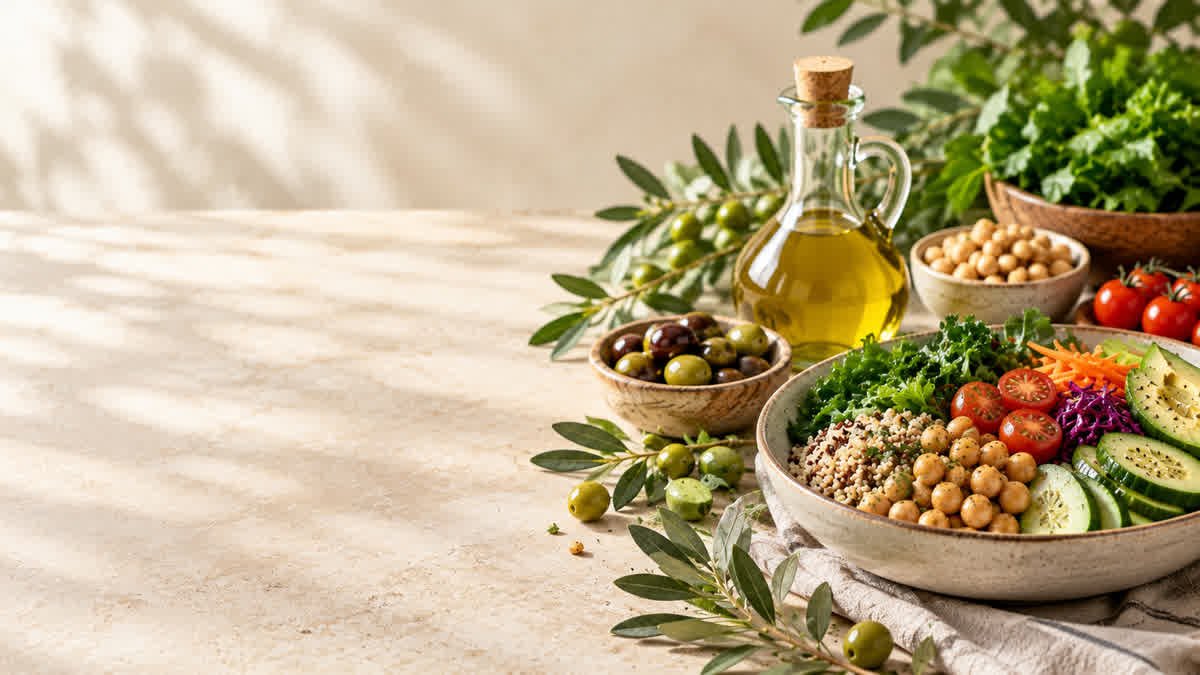

Olive oil can be part of a heart-healthy eating pattern, particularly when it replaces foods rich in saturated fat. Some research links olive-oil-rich diets with favorable blood pressure outcomes. However, the evidence does not establish olive oil as a stand-alone treatment for hypertension.
High blood pressure matters because it strains the heart and blood vessels over time, often without obvious symptoms. Extra virgin olive oil receives a great deal of attention in nutrition research because it is rich in monounsaturated fat and contains naturally occurring plant compounds. Still, there is a real difference between including olive oil in a healthy diet and expecting it to work like a treatment.
This guide explains what the research suggests, how olive oil may support cardiovascular health, and how extra virgin and regular olive oil compare. You will also find practical advice on amounts, ways to use it in meals, what else helps manage blood pressure, and answers to common questions.
Can Olive Oil Help Lower High Blood Pressure?
Some studies associate olive-oil-rich dietary patterns with favorable blood pressure outcomes. Findings vary depending on the population, the overall diet, how much olive oil was used, and how the study was designed. A qualified answer is the most accurate one: olive oil may help support heart health as part of a balanced diet, but it cannot be counted on to lower any one person’s blood pressure.
What the Research Suggests
Much of the evidence comes from Mediterranean-style eating patterns. These diets include olive oil alongside vegetables, fruit, legumes, whole grains, nuts, and fish. Improvements in blood pressure in those studies may reflect the whole diet and lifestyle, not olive oil alone.
It also helps to distinguish associations from cause and effect. Observational studies can show that people who eat more olive oil tend to have certain outcomes, but they cannot prove the oil produced them. You can read more about this pattern in our guide to the Mediterranean diet.
Why Olive Oil Is Not a Blood Pressure Treatment
Olive oil cannot reliably or predictably lower an individual’s blood pressure on its own. Responses differ from person to person. The American Heart Association emphasizes a combination of healthy eating, physical activity, and, when needed, medication.
If you have hypertension, keep following your clinician’s treatment plan. Olive oil may support cardiovascular health in a balanced diet, but you should not expect a specific reduction in your readings from eating it.
How Olive Oil May Support Healthy Blood Pressure
Researchers have proposed several ways olive oil could contribute to cardiovascular health. These are possibilities under study, not proof that olive oil treats high blood pressure.
Monounsaturated Fats and Cardiovascular Health
Olive oil is rich in oleic acid, a monounsaturated fat. The American Heart Association’s advisory on dietary fats supports replacing some saturated fat with unsaturated fat to improve cardiovascular risk factors.
A practical example is using olive oil instead of butter when sautéing vegetables. That swap changes the type of fat you eat without adding extra calories. For more on how fats relate to heart health, see our article on high cholesterol.
Polyphenols and Antioxidant Compounds
Extra virgin olive oil contains polyphenols and other naturally occurring compounds with antioxidant activity. These compounds are being studied for their biological effects. Antioxidant activity does not automatically produce a measurable drop in blood pressure.
Polyphenol content also varies by olive variety, processing, storage, and product. If you would like background, see our explainer on what antioxidants are.
Blood Vessel Function
The endothelium is the inner lining of blood vessels, and it helps regulate how blood vessels widen and narrow. Researchers are exploring whether compounds in olive oil may influence vascular function.
These proposed mechanisms are interesting, but they do not prove that olive oil alone treats hypertension.
The Importance of Overall Diet Quality
Olive oil works best as part of a diet rich in vegetables, fruit, legumes, whole grains, nuts, and other nutrient-dense foods. The National Heart, Lung, and Blood Institute describes a pattern of this kind in its DASH eating plan.
Limiting excess sodium and maintaining a healthy weight are also important parts of blood pressure management. Our guide to a balanced diet shows how these pieces fit together.
Extra Virgin Olive Oil vs. Regular Olive Oil for Blood Pressure
The two types differ in how they are made and in their minor compounds. Neither is a proven hypertension treatment.
What Makes Extra Virgin Olive Oil Different?
Extra virgin olive oil is produced by mechanical methods and must meet defined quality standards. It generally retains more naturally occurring phenolic compounds than refined olive oil. Its flavor is often more pronounced and varies between products.
Is Extra Virgin Olive Oil Better for Blood Pressure?
Its higher polyphenol content is one reason it is a common subject of cardiovascular research. However, more polyphenols do not guarantee a particular blood pressure outcome.
Regular olive oil is not unhealthy. It still provides mostly unsaturated fat, and no one should claim that extra virgin olive oil is a proven hypertension treatment.
Which Should You Choose?
Choose a good-quality olive oil that fits your taste, cooking needs, and budget. Extra virgin olive oil is a reasonable everyday choice for dressings and many cooking methods. You can learn more about it in our guide to extra virgin olive oil, and about its broader nutritional profile in our article on olive oil benefits.
How Much Olive Oil Should You Eat for Heart Health?
There is no universally established dose of olive oil for treating hypertension. It is a cooking ingredient, not a supplement or medicine.
Keep these points in mind:
- Use it in meals. Moderate amounts in cooking and dressings are a practical approach.
- Replace, do not just add. Piling oil on top of an unchanged diet can raise total calorie intake.
- Watch energy balance. One tablespoon contains roughly 120 calories (about 119 per USDA FoodData Central), and one teaspoon contains about 40.
These values are approximate and can vary slightly with measurement. Do not treat a set number of tablespoons as a proven way to lower blood pressure. For more on routine intake, see our article on eating olive oil every day.
Best Ways to Include Olive Oil in a Blood Pressure-Friendly Diet
These simple ideas can help you use olive oil in a way that supports a heart-conscious pattern.
Use Olive Oil Instead of Some Saturated Fats
Try olive oil in place of butter or other fats high in saturated fat when it suits the dish. Replacing an ingredient is generally more useful than adding extra calories.
Make Vegetable-Based Meals More Flavorful
A drizzle of olive oil can make cooked vegetables more appealing. You can also whisk it into a homemade dressing with lemon juice, herbs, or vinegar, or use it in bean, lentil, and vegetable dishes. Our guide to the health benefits of leafy green vegetables has more ideas.
Pair Olive Oil With Other Heart-Healthy Foods
Combine olive oil with leafy greens, beans, whole grains, nuts, and fish such as fatty fish. Olive oil does not supply the fiber, protein, or range of nutrients these foods provide. Our list of heart-healthy foods is a helpful place to start, and the broader dietary pattern matters more than any single ingredient.
Be Mindful of Sodium
Olive oil does not make a salty meal heart-healthy. Use herbs, spices, citrus, and garlic to add flavor while limiting excess salt, and check the labels on packaged foods. The World Health Organization provides guidance on reducing sodium intake.
Olive Oil Compared With Other Cooking Oils
Olive oil is one of several oils that are mostly unsaturated fat. Canola, soybean, and sunflower oils are also common choices, and they differ in fat type, flavor, and culinary use.
- Olive oil is high in monounsaturated fat and has a distinctive flavor, especially when extra virgin.
- Canola oil has a mild taste and is also relatively high in monounsaturated fat.
- Soybean and sunflower oils vary in their mix of fats and are often used for neutral-flavored cooking.
What matters most is replacing saturated fat with unsaturated fat. No single cooking oil guarantees lower blood pressure, and olive oil is not universally superior to every other unsaturated vegetable oil. The best choice depends on your whole diet, how you cook, and what you enjoy.
What Else Helps Manage High Blood Pressure?
Managing blood pressure usually takes a comprehensive approach. Our guide on how to lower blood pressure covers this in more depth.
Reduce Excess Sodium
Lowering sodium intake can help many people manage blood pressure. Pay attention to processed foods, packaged snacks, and restaurant meals, which often contain more salt than people expect.
Eat More Vegetables, Fruit, and Fiber-Rich Foods
A balanced eating pattern can include leafy greens, fruit, beans, whole grains, and other fiber-rich options. See our list of high-fiber foods for ideas.
Stay Physically Active
Regular physical activity is part of a broader cardiovascular health plan. Adapt it to your ability and your clinician’s advice. Our article on the benefits of exercise explains why movement matters.
Maintain a Healthy Weight and Limit Alcohol
Weight management and, when relevant, limiting alcohol can contribute to blood pressure control.
Monitor Blood Pressure and Follow Medical Advice
Home monitoring and regular medical appointments can help you and your clinician track progress. Never stop or change prescribed medicine without your clinician’s guidance. For general habits that support long-term health, see our guide to a healthy lifestyle.
Who Should Be Careful About Olive Oil Consumption?
Olive oil is calorie-dense, so portion size may matter if you are managing your total calorie intake. Ordinary food amounts are not expected to cause dangerous blood pressure changes.
Some situations call for professional advice:
- If you have specific dietary needs, follow individualized guidance.
- Olive oil should not replace prescribed blood pressure medication.
- If you have medication side effects, dizziness, or unusually low blood pressure, contact a healthcare professional rather than adjusting treatment through diet alone.
- If your blood pressure stays high, seek a medical evaluation.
Frequently Asked Questions
Does olive oil lower blood pressure naturally?
Olive oil may contribute to a heart-healthy dietary pattern, but its independent effect on blood pressure is uncertain. It is not a stand-alone treatment. The American Heart Association recommends a combination of lifestyle measures and medical care.
Is extra virgin olive oil better for high blood pressure?
Extra virgin olive oil generally contains more phenolic compounds than refined olive oil. That does not guarantee a greater blood pressure reduction for any individual.
How much olive oil should I consume daily?
No olive oil dose is established for treating hypertension. Choose an amount that fits your overall energy needs and dietary pattern.
Can I take olive oil with blood pressure medication?
Olive oil can generally be used as a food within a balanced diet, but it must not replace medication. Ask your healthcare professional about your individual treatment.
Is olive oil better than vegetable oil for blood pressure?
Oils differ in their nutritional makeup. Replacing saturated fat with unsaturated fat is often more important than picking one oil as the best.
Can I cook with extra virgin olive oil?
Yes. It suits many everyday methods, including sautéing and roasting. Use an appropriate temperature and avoid overheating the oil until it smokes.
Conclusion: Should You Use Olive Oil for High Blood Pressure?
Olive oil, especially extra virgin olive oil, can fit into a heart-healthy dietary pattern and may offer benefits through its unsaturated fats and naturally occurring compounds. The evidence does not justify treating it as a stand-alone blood pressure remedy.
A practical approach is to use moderate amounts in place of less favorable fats, pair it with a balanced diet, limit excess sodium, stay active, monitor your blood pressure, and follow medical advice. To keep building your plan, explore our guides to heart-healthy foods and how to lower blood pressure.
Sources
- American Heart Association. High Blood Pressure
- Sacks FM, et al. American Heart Association. Dietary Fats and Cardiovascular Disease: A Presidential Advisory. Circulation.
- National Heart, Lung, and Blood Institute. DASH Eating Plan
- World Health Organization. Salt Reduction
- Harvard T.H. Chan School of Public Health, The Nutrition Source. Olive Oil
- U.S. Department of Agriculture. FoodData Central
Medical Disclaimer: This article is for general educational purposes only and is not a substitute for professional medical advice, diagnosis, or treatment. Blood pressure management is highly individual. Always talk with your doctor or another qualified healthcare professional before making changes to your diet, and never stop or change prescribed medication without their guidance. If you have symptoms such as chest pain, severe headache, or sudden weakness, seek emergency care right away.
Never ignore professional medical advice or delay seeking it because of something you read on this website.