
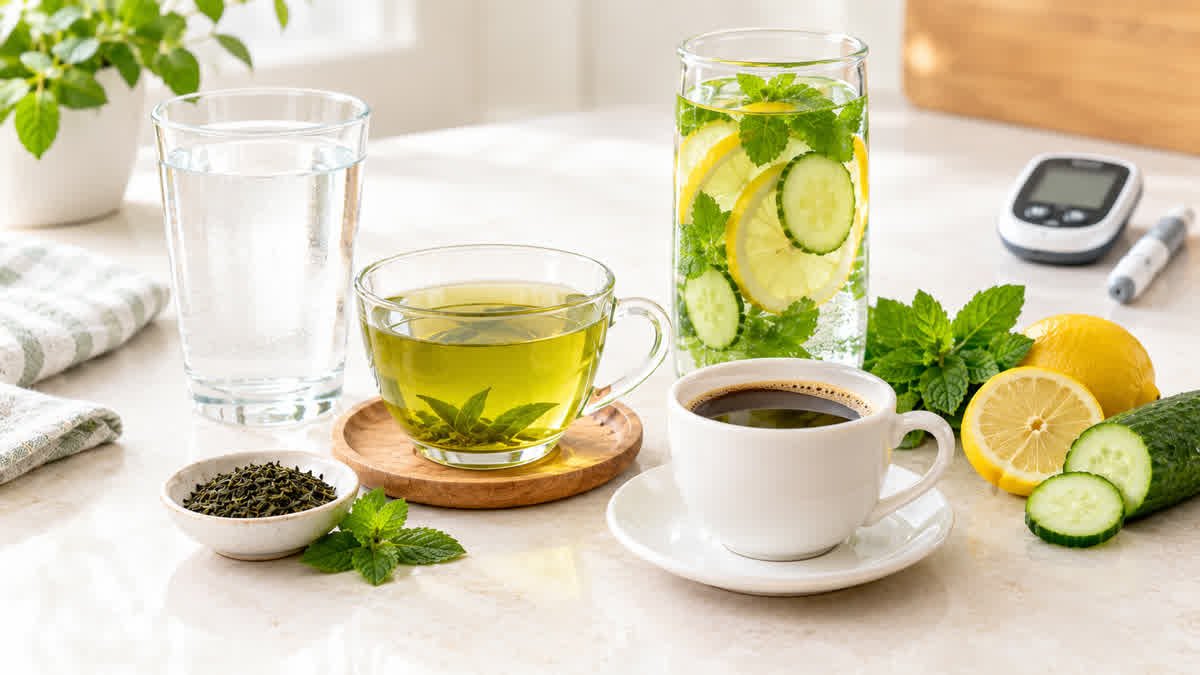

What you drink affects your blood sugar more than many people realize. Sugary beverages deliver carbohydrates in liquid form, which the body can absorb quickly, so a single large soda or sweetened coffee can push glucose up fast. That is why drink choices matter for anyone with diabetes, prediabetes, or concerns about blood sugar.
Here is the key distinction: most drinks that “help” with blood sugar do so by replacing sugary ones, not by lowering glucose on their own. Water and other unsweetened beverages are sensible everyday choices. Popular claims about cinnamon water, apple cider vinegar, and herbal teas are far less certain, and none of them replaces prescribed treatment.
This guide covers seven drinks that fit well into a blood sugar management plan, what the evidence says about popular remedies, drinks to limit, and what to do if your glucose runs too high or too low. For broader lifestyle context, see our guide to natural approaches to managing blood sugar. This article is general information, not personal medical advice.
How Do Drinks Affect Blood Sugar?
Understanding Blood Sugar
Blood sugar, also called blood glucose, is the body’s main source of energy. Carbohydrates in food and drinks are broken down into glucose, which then enters the bloodstream. Our guides to blood sugar and blood sugar levels explain what the numbers mean.
Sugar-sweetened drinks can contain large amounts of added sugar. The CDC reports that sugary drinks supply about 24% of added sugar in the American diet, and sweetened coffee and tea add about 11% more. Many other factors also affect glucose, including meals, activity, medicines, illness, stress, sleep, and hydration.
Can Drinks Lower Blood Sugar Naturally?
Choosing water and unsweetened drinks in place of sugary ones can support blood sugar management. The CDC notes that replacing sugary drinks with unsweetened water can help reduce the amount of added sugar people drink. That is different from lowering a glucose reading that is already high.
Drinking water or tea is not a reliable way to bring down dangerously high glucose. A drink’s usefulness depends on its carbohydrate content, ingredients, serving size, and your own health and medicines.
7 Drinks That May Help Manage Blood Sugar Naturally
The strongest practical strategy is to swap sugary drinks for unsweetened ones, not to rely on a “special” drink. The American Diabetes Association (ADA) 2025 Standards of Care place new emphasis on water over nutritive and nonnutritive sweetened beverages.
1. Plain Water
Water is the best default drink for most people concerned about blood sugar. It has no carbohydrates or added sugar, so it can replace soda, sweetened tea, and juice drinks. Each swap cuts carbohydrates and calories.
Staying hydrated also matters. The ADA notes that dehydration can cause a noticeable rise in glucose readings because the ratio of sugar to water in the blood changes. Extra water does not treat diabetes, though, and it will not reliably bring high glucose down.
Keep a reusable bottle nearby and sip through the day. If you have heart or kidney disease or a fluid restriction, follow your clinician’s advice on how much to drink.
2. Unsweetened Green Tea
Unsweetened green tea has little to no carbohydrate and almost no calories. A network meta-analysis of randomized trials found that green tea may lower fasting glucose slightly (about 2 mg/dL compared with water), with the effect seen mainly in younger people and in studies in Asia. That is a small change, not a treatment.
Caffeine affects people differently, and decaffeinated versions are available. Green tea does not “burn” sugar or replace medicine. See our guides on whether green tea lowers blood sugar, green tea for type 2 diabetes, and drinking green tea every day.
3. Unsweetened Black Tea
Plain black tea is a good swap for sweetened tea and other sugary drinks. The same meta-analysis found no significant effect of black tea on fasting glucose, so its value is in what it replaces, not in a glucose-lowering effect.
Watch what goes into the cup. Sugar, honey, and sweetened condensed milk add carbohydrates quickly. If you enjoy South Asian milk tea (chai), cut the added sugar gradually instead of assuming that traditional tea automatically supports blood sugar control. Caffeine sensitivity varies.
4. Black Coffee Without Added Sugar
Plain coffee has very few carbohydrates and can replace sweetened coffee drinks. Large studies link regular coffee and tea intake with a lower risk of developing type 2 diabetes. These are observational findings, though, and the randomized trials in the meta-analysis above found no significant effect of coffee on fasting glucose.
- Skip sugar, flavored syrups, sweetened creamers, and large amounts of condensed milk.
- Notice whether caffeine affects your readings; it can in some people.
- Choose decaf if caffeine causes jitters, poor sleep, or other unwanted effects.
Coffee is a beverage choice, not a treatment. Our guide to black coffee benefits has more.
5. Sparkling Water Without Added Sugar
Plain sparkling water adds variety if you dislike still water. The CDC lists unsweetened coffee or tea, sparkling water, seltzers, and sugar-free flavored waters among its healthier drink options.
Check labels on flavored products. Some flavored sparkling waters and tonic-style drinks contain added sugar or syrups. A squeeze of lemon or a few mint leaves gives flavor without sugar.
6. Fruit-Infused Water
Cucumber, lemon, lime, mint, or a few berries can make plain water more appealing. This is not the same as fruit juice: the carbohydrate you get depends on whether you eat the fruit pieces or squeeze juice into the glass. Avoid adding sugar, honey, or syrups.
Infused water supports hydration and can replace sugary drinks, but it has not been shown to lower blood glucose directly.
7. Unsweetened Plant-Based Milk or Plain Milk
Milk and plant-based alternatives can fit into a balanced eating pattern, but their carbohydrate content differs. Cow’s milk contains natural sugar (lactose); milk and 100% juice both contain natural sugars, according to University of Florida extension guidance.
- Unsweetened soy milk often provides protein with relatively few carbohydrates.
- Unsweetened almond milk may contain very little carbohydrate, but protein and other nutrients vary.
- Oat milk can contain more carbohydrate than some alternatives, depending on the product.
- Flavored and sweetened versions may contain substantial added sugar.
Compare labels for total carbohydrates, added sugars, and protein, and pay attention to serving size. None of these drinks is a proven blood sugar-lowering treatment. Our nutrition facts guide shows how to read labels.
Drinks That May Lower Blood Sugar: What Does the Evidence Say?
Several drinks are popular online as glucose-lowering remedies. The evidence is limited or mixed, and some carry safety concerns.
Apple Cider Vinegar Drinks
A 2025 meta-analysis of controlled trials reported lower fasting glucose and HbA1c in people with type 2 diabetes, but its authors note that earlier evidence has been conflicting. It has not been established as a dependable treatment.
Undiluted vinegar can damage tooth enamel and irritate the throat or digestive tract. In some circumstances it may also interact with medicines or affect potassium levels, so talk with your clinician first. Avoid vinegar shots, and do not use any specific amount as a treatment.
Cinnamon Water
The National Center for Complementary and Integrative Health (NCCIH) says that clinical trials on cinnamon and diabetes have shown conflicting results. Cinnamon water is not an established treatment for high blood sugar.
Concentrated supplements deserve more caution. Cassia cinnamon contains coumarin, and prolonged use could be an issue for sensitive people, such as those with liver disease. Ask your clinician or pharmacist before taking cinnamon supplements.
Bitter Gourd Juice and Other Herbal Drinks
Bitter gourd (bitter melon, karela) has a long traditional use, including in South Asia. A Cochrane review concluded that current evidence does not warrant using it to treat type 2 diabetes. Memorial Sloan Kettering notes that bitter melon may have additive effects with insulin and diabetes medicines, and it lists pregnancy and severe kidney injury reports among its cautions.
Concentrated herbal drinks and extracts can interact with diabetes medicine and may contribute to low blood sugar. Do not treat any of these as proven remedies. For more on remedies, see our natural home remedies for type 2 diabetes.
Drinks to Avoid or Limit When Managing Blood Sugar
Sugary Soft Drinks and Energy Drinks
Regular soda and many energy drinks contain large amounts of rapidly absorbed sugar. The CDC’s sugar-smart guidance advises avoiding sugary drinks and choosing water or unsweetened options. Diet versions are a separate question: the ADA says nonnutritive sweeteners may be used in moderation and short term to replace sugar, while water remains the best choice.
Fruit Juice and Sweetened Fruit Drinks
Even 100% fruit juice contains carbohydrates and can raise glucose. Fruit drinks and juice cocktails may contain added sugar on top. Whole fruit generally provides more fiber than juice, which slows absorption.
Sweetened Tea and Coffee
Hidden sugar is common in:
- Sugar stirred into tea or coffee
- Sweetened condensed milk
- Flavored syrups
- Bottled sweetened tea
- Café-style blended drinks
Sports Drinks and Sweetened Coconut Water
Most routine hydration needs are met by water. Sports drinks may contain added sugar; the ADA notes that sugar-free versions exist, though excessive artificial sweeteners are not recommended. Sipping carbohydrates during longer aerobic exercise can help prevent low glucose in some people, so context matters.
Coconut water contains natural sugars, and brands differ, so check the label.
One important distinction: sugary drinks are not banned for everyone with diabetes. They can be the right choice for treating low blood sugar (hypoglycemia), as described in the FAQ below.
How to Choose the Best Drinks for Blood Sugar Management
Use this checklist at the store and at home:
- Check total carbohydrates and added sugars on the nutrition label.
- Choose water or unsweetened drinks most often.
- Compare plant-based milks, since they are not nutritionally identical.
- Pay attention to serving sizes, especially for juice and milk.
- Track how drinks affect your glucose if your clinician advises it.
- Ask your care team about any fluid or dietary restrictions.
Remember that “natural,” “organic,” and “no added sugar” do not mean carbohydrate-free. Fruit juice with no added sugar still contains natural sugars.
Our diabetes diet guide and prediabetes diet guide cover the wider eating picture.
Can You Lower Blood Sugar Quickly by Drinking Water?
Staying hydrated helps the body work normally, and dehydration can make glucose readings run higher. Drinking water does not reliably or quickly correct significantly elevated blood sugar, however.
If your glucose is high, try this safe plan:
- Drink water normally if fluid is appropriate for you.
- Check your glucose using your prescribed method.
- Follow your existing diabetes and sick-day instructions.
- Do not skip medicine, take extra medicine, or drink excessive amounts of water.
- Contact your care team if readings stay high.
Very high glucose with vomiting, abdominal pain, deep or rapid breathing, confusion, or severe dehydration can signal a serious complication and needs emergency care. Do not try home drinks in that situation.
Our guide to the signs of high blood sugar explains what to watch for.
Frequently Asked Questions About Drinks and Blood Sugar
What Is the Best Drink to Lower Blood Sugar Naturally?
Water is generally the best default drink because it contains no sugar or carbohydrates. Its benefit comes from hydration and from replacing sugary drinks, not from acting like a glucose-lowering medicine. The ADA’s 2025 Standards emphasize water over sweetened beverages.
Does Lemon Water Lower Blood Sugar?
Unsweetened lemon water is a low-sugar drink choice, but there is not enough evidence that it directly lowers blood glucose. Its benefit is mainly in replacing sugary beverages.
Is Green Tea Good for Blood Sugar?
Unsweetened green tea is a reasonable beverage. Evidence for a meaningful direct effect is uncertain: one meta-analysis found a small drop in fasting glucose of about 2 mg/dL.
Can Apple Cider Vinegar Lower Blood Sugar?
Some research suggests an effect, but results have been mixed, and it is not an established diabetes treatment. See the 2025 meta-analysis. Undiluted vinegar can harm tooth enamel and the throat.
Is Coconut Water Good for People With Diabetes?
Coconut water contains natural sugars and carbohydrates, so portion size and the label matter. It is not necessary for routine hydration, and water is usually a better everyday choice.
What Should I Drink if My Blood Sugar Is Too Low?
Low blood sugar is different from high blood sugar. For people who are alert and can swallow safely, the ADA’s standard approach is the 15-15 rule: take 15 grams of fast-acting carbohydrate (such as glucose tablets, or about half a cup of juice or regular soda), then recheck after 15 minutes. Severe hypoglycemia, with confusion, inability to swallow, or loss of consciousness, may require glucagon and emergency help. Follow your own treatment plan.
Final Thoughts on Drinks That Support Healthy Blood Sugar
Water and unsweetened beverages are sensible everyday choices, and replacing sugary drinks is one of the most practical steps for supporting blood sugar. Tea, coffee, milk, and plant-based alternatives vary in carbohydrate content and in how they affect each person.
Evidence for special glucose-lowering drinks and herbal remedies remains limited. If you have diabetes, keep following your prescribed treatment and monitoring plan, and talk with your care team before trying new remedies.
For more guidance, explore our resources on type 2 diabetes, prediabetes, and how to prevent diabetes.
Sources
- American Diabetes Association: Standards of Care in Diabetes, 2025 (press release)
- American Diabetes Association: Sports Drinks Impact on Glucose (Blood Sugar)
- American Diabetes Association: Treatment for Low Blood Glucose
- ACP Diabetes Monthly: Treatment of hypoglycemia
- CDC: Be Sugar Smart
- UF/IFAS Extension: Choose MyPlate, Drink Water Instead of Sugary Drinks
- Effects of Coffee and Tea Consumption on Glucose Metabolism: A Systematic Review and Network Meta-Analysis
- Effects of apple cider vinegar on glycemic control in type 2 diabetes: meta-analysis (Frontiers in Nutrition, 2025)
- NCCIH: Type 2 Diabetes and Dietary Supplements, What the Science Says
- NCCIH: Cinnamon
- Cochrane review: Momordica charantia (bitter melon) for type 2 diabetes
- Memorial Sloan Kettering: Bitter Melon
Medical Disclaimer: This article is for general education only and is not medical advice. It cannot diagnose or treat any condition, and it may not apply to your situation. Talk with a doctor, pharmacist, or registered dietitian before changing your diet, trying a new drink or supplement, or changing any diabetes medicine. If you think you are having a medical emergency, such as very high or very low blood sugar with confusion, vomiting, or trouble breathing, call 911 or your local emergency number right away.