
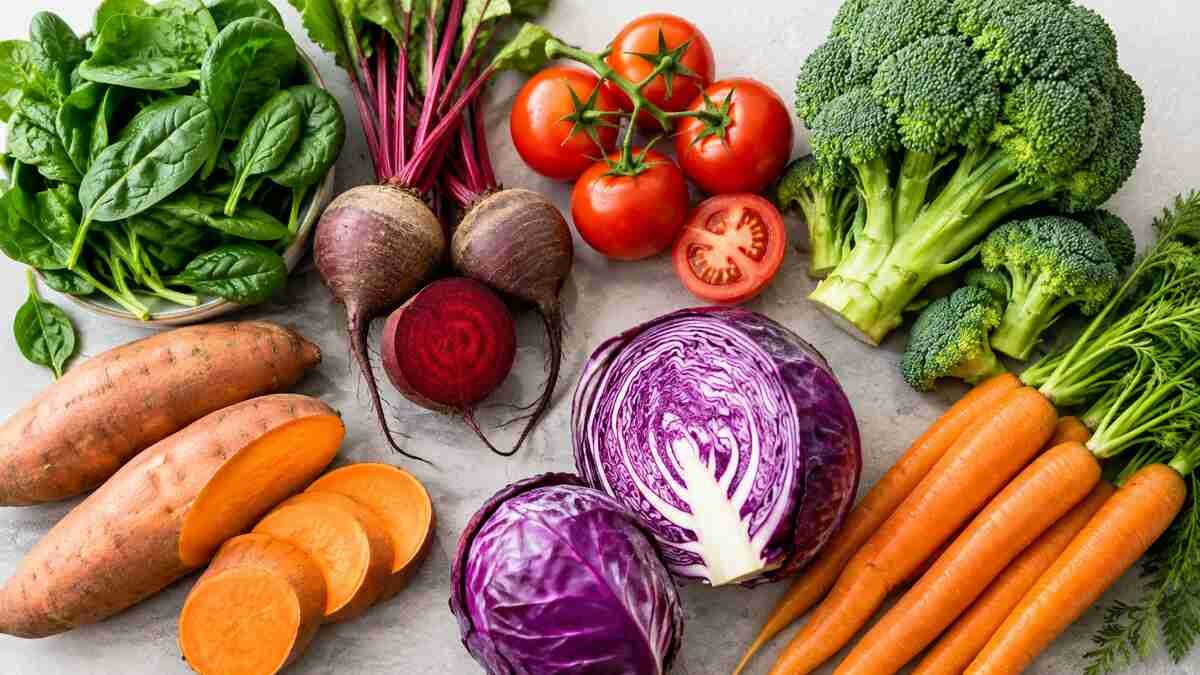

Leafy greens, beetroot, tomatoes, broccoli, potatoes and sweet potatoes, and beans are good vegetable choices for supporting healthy blood pressure. They provide potassium, dietary nitrates, fiber, and magnesium, and they can take the place of saltier foods. The best approach is variety within a lower-sodium eating pattern such as the DASH diet.
What you eat every day shapes your cardiovascular health, and the link between vegetables and blood pressure is one of the better-studied parts of that picture. Vegetables do not act like medicine, and no single one will lower your numbers on its own. Their value comes from the nutrients they supply and from how they fit into your overall diet and lifestyle.
This guide explains how vegetables may support healthy blood pressure, which ones are worth adding to your plate, and how to prepare them without piling on salt. It also covers an important question many readers ask: whether vegetables can replace blood pressure medication. The information is general and educational, and it does not replace advice from your doctor.
Quick Answer: Vegetables and Their Key Nutrients
| Vegetable | Nutrients linked to blood pressure |
|---|---|
| Spinach and other leafy greens | Potassium, magnesium, dietary nitrate |
| Beetroot | Dietary nitrate, potassium |
| Potatoes and sweet potatoes | Potassium, fiber |
| Tomatoes | Potassium |
| Broccoli and other cruciferous vegetables | Potassium, fiber |
| Beans and other legumes | Potassium, magnesium, fiber |
| Carrots and other colorful vegetables | Potassium, fiber |
How Vegetables Help Support Healthy Blood Pressure
Blood pressure is influenced by genetics, age, body weight, activity, stress, sleep, and diet. Within diet, several nutrients and habits found in vegetables appear to matter. The sections below describe the main ones.
Potassium
Potassium helps balance the effects of sodium and supports normal blood vessel function. The NIH Office of Dietary Supplements notes that higher potassium intake is associated with lower blood pressure, particularly in people with high sodium intake. Many people in the United States do not get as much potassium as recommended, and vegetables are a major food source.
Dietary nitrates
Beetroot and leafy greens contain nitrates, which the body can convert into nitric oxide, a molecule that helps blood vessels relax. A systematic review of randomized trials found that beetroot juice may reduce blood pressure in different groups. Much of that research used concentrated beetroot juice for short periods, so results from whole vegetables eaten as part of regular meals may differ.
Fiber
Vegetables supply dietary fiber, which supports overall cardiovascular and metabolic health as part of a balanced diet. Fiber is not a direct blood pressure treatment, but fiber-rich eating patterns often go along with lower sodium and healthier weight.
Magnesium and other nutrients
Leafy greens, beans, and some other vegetables provide magnesium, which contributes to normal muscle and nerve function. The DASH eating plan is also rich in calcium and magnesium alongside potassium, which is part of why it has been studied so closely.
Lower-sodium food choices
Excess sodium raises blood pressure in many people, and the CDC notes that most sodium in the American diet comes from packaged and restaurant foods. Fresh or minimally processed vegetables can replace salty packaged sides, which makes it easier to stay within the general limit of 2,300 mg of sodium a day.
The DASH diet as a framework
The National Heart, Lung, and Blood Institute (NHLBI) describes the DASH eating plan as one that emphasizes vegetables, fruits, whole grains, low-fat dairy, fish, poultry, beans, and nuts, and limits sodium and saturated fat. For a 2,000-calorie diet, the plan suggests 4 to 5 daily servings of vegetables. The 2025 AHA/ACC high blood pressure guideline also supports a DASH-style, lower-sodium diet as part of blood pressure care.
For a broader overview, see our guide on how to lower blood pressure and our explanation of high blood pressure.
Best Vegetables for Blood Pressure
No vegetable on this list is a cure, and none is required. Aim for a mix across the week. For more on heart-friendly options, see our guide to the best vegetables for heart health.
Spinach and other leafy greens
Spinach, kale, collards, and other leafy greens provide potassium, magnesium, and dietary nitrate. They cook down quickly, so a small pan of greens goes a long way. Add them to eggs, soups, curries, and sandwiches, or enjoy them in salads. Our article on the health benefits of leafy green vegetables offers more ideas.
People who take the blood thinner warfarin should keep their intake of vitamin K-rich greens steady and talk to their clinician before making big changes.
Beetroot
Beetroot is a notable source of dietary nitrate. Research on beetroot juice is promising, but it is still developing, and the effects seen in studies may be modest and short-lived. Roasted, boiled, or grated raw beetroot can all be part of a varied diet. Read more in our articles on beetroot health benefits and beetroot for high blood pressure.
Potatoes and sweet potatoes
Potatoes and sweet potatoes are good sources of potassium, especially when you eat the skin. They can fit into a heart-healthy diet when baked, boiled, or roasted with little salt. Deep-fried, heavily salted, or processed potato products are a different story because of their added sodium and fat. Dietary guides classify these vegetables differently, which we explain in our comparison of starchy and non-starchy vegetables.
Tomatoes
Tomatoes provide potassium and are easy to use in salads, sauces, and soups. Choose fresh tomatoes or canned products labeled no salt added, since many tomato sauces and soups contain a lot of sodium.
Broccoli and other cruciferous vegetables
Broccoli, cauliflower, cabbage, and Brussels sprouts offer potassium and fiber with few calories. They can be steamed, roasted, or stir-fried. Our guide to cruciferous vegetables explains more about this group.
Beans and other legumes
Beans, lentils, and chickpeas contribute potassium, magnesium, and fiber. The DASH plan includes nuts, seeds, and dry beans several times a week. If you use canned beans, rinse them first; the FDA notes that rinsing sodium-containing canned foods can help reduce sodium.
Carrots and other colorful vegetables
Carrots, peppers, squash, and pumpkin add color, fiber, and some potassium. They are easy snacks and side dishes. Eating a range of colors is a simple way to vary nutrients, though color alone does not guarantee a specific effect on blood pressure.
Cabbage and other affordable everyday vegetables
Healthy eating does not have to be expensive. Cabbage, carrots, onions, and frozen vegetables are budget-friendly and work in many dishes. Our guide to cheap vegetables shows how to build meals around affordable staples.
Raw vs. Cooked Vegetables for Blood Pressure
Both raw and cooked vegetables can be part of a heart-healthy diet, so choose the forms you enjoy and will actually eat. Fresh salads and raw snacks are simple and need no added salt. Cooked vegetables can be easier to eat in larger amounts, especially greens.
Cooking can change nutrient levels. Boiling vegetables in a lot of water can cause some potassium and nitrate to leach into the cooking water, while steaming, roasting, and microwaving tend to retain more. The way you prepare food also matters for sodium. Salt, salty sauces, and processed seasonings can quickly outweigh the benefits of a vegetable dish.
Our comparison of raw versus cooked vegetables goes deeper.
How to Add More Vegetables to Your Daily Diet
Small, repeatable habits work better than big overhauls. Here are practical ideas for each part of the day.
- Breakfast: Add spinach, tomatoes, or peppers to eggs. Stir grated carrot or zucchini into oatmeal or pancakes.
- Lunch: Build a salad or grain bowl with leafy greens, beans, and a variety of chopped vegetables. Add vegetables to sandwiches and wraps.
- Dinner: Fill half your plate with vegetables, such as roasted broccoli, sauteed greens, or vegetable curry made with lentils.
- Snacks: Keep carrots, cucumber, and pepper strips ready with hummus or yogurt dip.
- Soups and stews: Make soups from scratch with unsalted broth, or choose low-sodium versions.
Seasonal produce and frozen vegetables are practical, affordable choices. For more strategies, read our tips on how to eat more vegetables.
Vegetables to Eat More Often and Preparation Habits to Watch
Fresh, frozen, and low-sodium canned vegetables are all useful. Plain frozen vegetables usually contain no added salt, and canned vegetables labeled low sodium or no salt added are better choices than regular versions.
No ordinary vegetable is bad for blood pressure. What matters is how it is prepared and what is added to it. Habits to watch include:
- Heavy use of table salt, soy sauce, and other salty condiments.
- Salty packaged sauces and seasoning mixes.
- Heavily salted pickles, olives, and sauerkraut, which can be high in sodium.
- Processed vegetable products such as flavored instant noodles or seasoned frozen sides.
The FDA recommends comparing labels, limiting packaged sauces and mixes, and rinsing canned vegetables to help lower sodium. Herbs, spices, lemon, garlic, and vinegar are easy ways to add flavor without salt.
Can Vegetables Replace Blood Pressure Medication?
No. Diet is one important part of blood pressure management, but it does not replace medication when a doctor has prescribed it. Never stop or change a prescribed medication without talking to your healthcare professional, even if your readings improve.
The American Heart Association emphasizes that managing blood pressure usually involves several steps, such as regular monitoring, a healthy eating pattern, physical activity, limiting sodium, and medication when needed. Our guide to natural home remedies for high blood pressure looks at lifestyle approaches in more detail.
One important precaution applies to potassium. People with kidney disease, and people who take medicines that raise potassium levels (such as some ACE inhibitors, ARBs, and potassium-sparing diuretics), may need to limit potassium. Salt substitutes that contain potassium chloride can also be risky for them. Talk with your doctor before increasing potassium-rich foods or using salt substitutes.
Frequently Asked Questions
Which vegetables are good for blood pressure?
Leafy greens, beetroot, potatoes, sweet potatoes, tomatoes, broccoli, beans, and other vegetables can contribute nutrients associated with healthy blood pressure. The best approach is to eat a variety as part of a balanced, lower-sodium dietary pattern such as DASH, as described by the NHLBI.
Can eating vegetables help lower blood pressure?
Eating more vegetables as part of a DASH-style eating pattern is linked to lower blood pressure, especially when sodium is also reduced. The effect depends on your overall diet, body weight, activity level, and individual health. Vegetables alone are not a guaranteed fix.
Is beetroot good for blood pressure?
Beetroot is rich in dietary nitrate, and trials of beetroot juice have found reductions in blood pressure in some groups, according to a systematic review. The evidence mostly comes from short-term studies using juice, so beetroot is best viewed as one helpful option among many, not a treatment.
Are leafy greens good for blood pressure?
Leafy greens provide potassium, magnesium, and nitrate, which are all nutrients related to healthy blood pressure. They are a sensible daily choice for most people. If you take warfarin, keep your intake of vitamin K-rich greens consistent and ask your clinician for guidance.
Are raw or cooked vegetables better for blood pressure?
Both can fit a heart-healthy diet. Steaming, roasting, or eating vegetables raw preserves more potassium than boiling in lots of water, but the most important factor is avoiding added salt and eating enough vegetables overall.
How often should I eat vegetables for heart health?
Aim to include vegetables at most meals and snacks. The DASH plan suggests 4 to 5 servings of vegetables a day for a 2,000-calorie diet, and your own needs may differ. Our guide on how many vegetables to eat each day can help.
Can I eat potatoes if I have high blood pressure?
Usually yes. Potatoes are a source of potassium, and baked, boiled, or roasted potatoes with little salt can fit into a heart-healthy diet. French fries, chips, and heavily salted or processed potato products add sodium and fat, so enjoy them less often.
Should people with kidney disease increase potassium-rich vegetables?
Not without medical guidance. People with kidney disease may need to limit potassium because their kidneys may not clear it well, as noted by the NIH Office of Dietary Supplements. Ask your doctor or a renal dietitian what is safe for you.
Conclusion
A variety of vegetables, prepared with little salt and eaten consistently, can support healthy blood pressure as part of a DASH-style diet. Vegetables help most when they replace saltier, more processed foods, and when they sit alongside physical activity, healthy sleep, and any medication your doctor prescribes. A practical first step is to add one extra serving of vegetables to a meal you already eat each day, then build from there.
Sources
- National Heart, Lung, and Blood Institute: DASH Eating Plan
- 2025 AHA/ACC Multisociety High Blood Pressure Guideline: Guideline-at-a-Glance
- NIH Office of Dietary Supplements: Potassium
- Centers for Disease Control and Prevention: Sodium and Salt
- U.S. Food and Drug Administration: Sodium in Your Diet
- American Heart Association: High Blood Pressure
- Dietary Nitrate from Beetroot Juice for Hypertension: A Systematic Review (PMC)
Medical Disclaimer
This article is for general educational purposes only and is not medical advice. It does not diagnose, treat, or replace guidance from a qualified healthcare professional. Do not start, stop, or change any blood pressure medication without talking to your doctor. If you have high blood pressure, kidney disease, or take medicines that affect potassium, ask your healthcare provider or a registered dietitian before changing your diet. If you have chest pain, severe headache, shortness of breath, or other sudden symptoms, seek emergency medical care right away.