
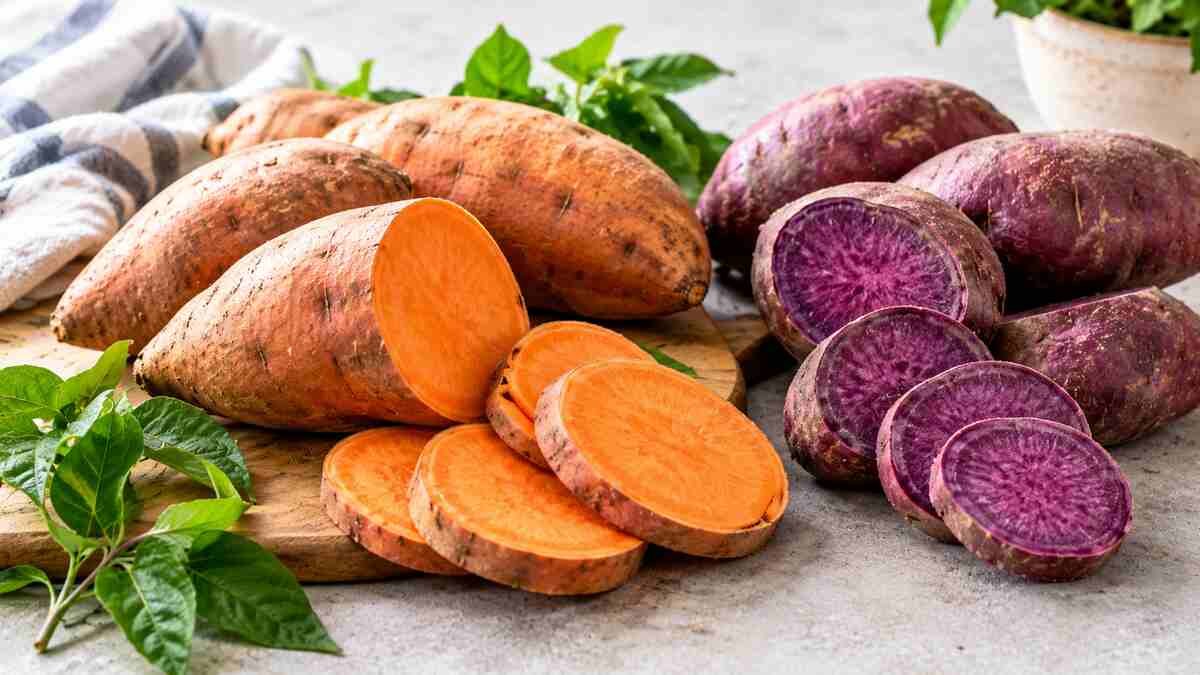

Sweet potatoes provide fiber, potassium, vitamin C, and beta-carotene, which the body can convert into vitamin A. These nutrients support normal vision, digestive function, immune function, and overall health when sweet potatoes are part of a balanced diet. The benefits depend on portion size, variety, and how you prepare them.
Naturally sweet, filling, and easy to cook, sweet potatoes are among the most versatile root vegetables in the American kitchen. Orange-fleshed varieties are especially known for beta-carotene, while purple varieties contain plant pigments called anthocyanins. Even the skin contributes fiber and minerals, so there is a lot of nutrition in a single tuber.
This guide covers sweet potato nutrition facts, the main benefits supported by research, how varieties differ, and the healthiest ways to cook them. It also explains who may need to be more careful with portions or specific nutrients. No single food can prevent or treat a disease, but sweet potatoes can be a practical, nutrient-dense part of an everyday eating pattern.
Key benefits at a glance:
- Beta-carotene supports vitamin A intake for normal vision and immune function.
- Fiber supports regular digestion and a feeling of fullness.
- Potassium contributes to normal muscle function and healthy blood pressure.
- Vitamin C and plant compounds add to overall nutrient intake.
- Their flavor and texture make balanced meals more satisfying.
Sweet Potato Nutrition Facts
Sweet potatoes are mainly a source of carbohydrates, along with a useful amount of fiber, vitamins, and minerals. They are low in fat and provide a small amount of protein. The table below shows approximate values for one medium baked sweet potato with the skin.
| Nutrient | Approximate amount |
|---|---|
| Calories | 100 to 115 kcal |
| Carbohydrates | 23 to 27 g |
| Dietary fiber | 3 to 4 g |
| Protein | 2 g |
| Potassium | 400 to 550 mg |
| Vitamin C | 20 to 25 mg |
| Vitamin A | Varies substantially by variety; orange-fleshed sweet potatoes are particularly rich in beta-carotene |
Values vary with size, variety, and preparation. For exact figures, see USDA FoodData Central and the NIH Office of Dietary Supplements vitamin A fact sheet.
The carbohydrate in sweet potatoes is mostly starch plus naturally occurring sugars. This is different from added sugar, which appears in dishes such as candied yams or marshmallow casseroles. Sweet potatoes are classified as starchy vegetables, and our guide to starchy vs. non-starchy vegetables explains how they fit into a balanced plate.
Vitamin A deserves a special note. A medium orange-fleshed sweet potato can supply well over the daily value for vitamin A, mostly as beta-carotene, according to the NIH. Because the body converts beta-carotene to vitamin A as needed, getting it from food is considered safe.
Top Health Benefits of Sweet Potatoes
Some benefits below rest on well-established nutrient roles, such as the role of vitamin A in vision. Others rely on emerging research, and the evidence is still developing. Sweet potatoes should be seen as one helpful food within a varied diet, not as a treatment for any condition.
Supports Eye Health Through Beta-Carotene
Orange-fleshed sweet potatoes are an excellent source of beta-carotene, a pigment that the body can convert into vitamin A. Vitamin A is essential for normal vision, including seeing in low light, and for keeping the surface of the eye healthy. The NIH Office of Dietary Supplements explains that vitamin A deficiency is uncommon in the United States but remains a leading cause of preventable blindness worldwide.
Eating sweet potatoes with a small amount of fat, such as olive oil, can help the body absorb beta-carotene. This does not mean that extra servings will improve eyesight in someone who already gets enough vitamin A. If you have vision changes, see an eye care professional rather than relying on diet alone.
Provides Fiber for Digestive Health
A medium sweet potato with the skin provides about 3 to 4 grams of fiber, which is a meaningful contribution toward daily needs. Fiber adds bulk to stool, supports regular bowel movements, and feeds beneficial bacteria in the gut. The Harvard T.H. Chan School of Public Health summarizes the role of fiber in digestive health and long-term wellness.
Sweet potatoes contain both soluble and insoluble fiber, and cooled sweet potatoes also contain some resistant starch, which may act like a prebiotic. Research on how this affects the gut microbiome is still limited. Sweet potatoes can support digestive comfort for many people, but they do not treat digestive conditions.
For more ideas, see our guides to vegetables for gut health and high-fiber foods for digestive health.
Contributes to Normal Immune Function
Vitamin A helps maintain the skin and the lining of the respiratory and digestive tracts, which act as barriers to germs. Sweet potatoes also provide vitamin C, a nutrient that supports immune cells and helps the body absorb iron from plant foods. The NIH vitamin C fact sheet describes these roles in detail.
Eating enough of these nutrients helps the immune system work normally, but sweet potatoes cannot prevent colds or infections. Cooking can lower vitamin C content, so pairing sweet potatoes with other sources can help. See our list of foods high in vitamin C for more options.
Supplies Potassium for Heart and Muscle Function
A medium sweet potato provides roughly 400 to 550 milligrams of potassium. Potassium is an electrolyte that helps nerves send signals, muscles contract, and the heart keep a regular rhythm. It also helps counterbalance sodium, which is why diets rich in potassium are linked with healthier blood pressure.
Sweet potatoes can contribute to that pattern, but they cannot prevent or treat heart disease on their own. Overall diet, physical activity, and medical care matter much more. Learn more in our articles on potassium-rich vegetables and the best vegetables for heart health.
Provides Antioxidants and Plant Compounds
Sweet potatoes contain antioxidants, including beta-carotene in orange varieties, anthocyanins in purple varieties, and phenolic compounds in many types. Antioxidants help neutralize unstable molecules called free radicals in laboratory settings. Whether eating antioxidant-rich foods lowers disease risk in people is less certain, and results from studies are mixed.
Because most evidence comes from lab and short-term studies, it is best to view these compounds as a possible bonus rather than a proven medical benefit. You can read more in our overviews of what antioxidants are and antioxidant-rich foods.
Helps Make Balanced Meals Satisfying
Fiber, water, and complex carbohydrates make sweet potatoes filling for relatively few calories. A baked sweet potato can anchor a meal in place of refined grains or heavily processed side dishes. Their natural sweetness may also help some people enjoy vegetables more without needing added sugar.
Pairing sweet potatoes with protein, such as beans, eggs, fish, or poultry, and with non-starchy vegetables creates a more balanced plate. This combination tends to be more satisfying and helps moderate how quickly the carbohydrates are digested.
For additional ideas, see our article on how to eat more vegetables.
Supports Overall Nutrient Intake
Many Americans do not eat the recommended amount of vegetables, fiber, or potassium, according to the Dietary Guidelines for Americans. Sweet potatoes are an affordable, widely available way to close some of those gaps. They also provide small amounts of vitamin B6, manganese, and magnesium.
Research reviews of sweet potato health outcomes have reported promising findings in several areas, but authors note that more high-quality human studies are needed to confirm cause and effect. In practical terms, the strongest case for sweet potatoes is their nutrient density. They are one of many vegetables that contribute to the benefits described in our overview of vegetable benefits.
Orange vs. Purple vs. White Sweet Potatoes
Sweet potatoes come in several colors, and each has a slightly different nutritional profile. All of them provide carbohydrates, fiber, and potassium, so there is no single “best” type. Eating a mix is a simple way to widen your nutrient intake.
Orange sweet potatoes are the most common variety in grocery stores. Their color comes from beta-carotene, and they are the richest source of vitamin A among the varieties. They tend to be soft and moist when cooked.
Purple sweet potatoes get their deep color from anthocyanins, the same type of pigment found in blueberries and red cabbage. These compounds are being studied for their antioxidant properties, though human evidence is still limited. Purple varieties often have a slightly drier, denser texture.
White or cream-fleshed sweet potatoes have little beta-carotene but still provide carbohydrates, fiber, potassium, and other nutrients. They are often milder and less sweet. If your goal is vitamin A, orange types are the better choice, but white types can still be a nutritious addition.
Healthiest Ways to Cook Sweet Potatoes
How you cook a sweet potato changes its texture, flavor, and sometimes its nutritional effect. The simplest methods usually preserve the most nutrients and add the least salt, sugar, or fat.
- Baking and roasting: These methods bring out natural sweetness and keep the skin and its fiber intact. Roasting with a little olive oil can help the body absorb beta-carotene.
- Boiling: Boiled sweet potatoes retain beta-carotene well, and some studies suggest boiling results in a lower glycemic response than baking. Some water-soluble nutrients, including potassium and vitamin C, can leach into the water, so use less water or save it for soup.
- Steaming: Steaming is gentle and helps retain nutrients and moisture.
- Microwaving: Pierce the skin and cook until tender for a fast, low-fat option that also preserves nutrients.
The bigger nutritional differences often come from what is added. Butter, brown sugar, marshmallows, salt, and deep frying can turn a nutrient-dense vegetable into a high-sugar or high-sodium dish. Try cinnamon, black pepper, lime, herbs, or a spoonful of plain yogurt instead.
To compare methods for other produce, see our guide to raw vs. cooked vegetables, and scrub the skin well using the tips in how to wash and store vegetables.
Easy Ways to Add Sweet Potatoes to Your Diet
Sweet potatoes work in breakfasts, lunches, dinners, and even snacks. A few familiar ideas can make them a regular habit.
- Baked sweet potato with beans: Top with black beans, salsa, and avocado for a high-fiber meal.
- Roasted cubes in grain bowls: Combine with quinoa, greens, and a protein such as chicken or chickpeas.
- Mashed sweet potatoes: Mash with a little olive oil and cinnamon, or blend with white beans for extra protein.
- Vegetable soups and stews: Add diced sweet potato to lentil, chili, or curry recipes.
- Lightly seasoned wedges: Roast with paprika and garlic powder instead of frying.
To build a balanced meal, pair sweet potatoes with a protein source and at least one non-starchy vegetable, such as broccoli, spinach, or green beans. A portion about the size of your fist is a reasonable starting point for many adults, though individual needs differ. If you like Mediterranean-style eating, sweet potatoes also fit well within the Mediterranean diet.
Potential Downsides and Who Should Be Careful
For most healthy people, sweet potatoes are a safe and nutritious food. There is no need to avoid them, but a few points are worth knowing.
Portion awareness: Sweet potatoes contain carbohydrates, so large portions raise total carbohydrate intake. People with diabetes or prediabetes can often include them, but the right portion depends on medicines, goals, and blood sugar patterns. A registered dietitian or care team can help tailor this, and our guide to the best vegetables for type 2 diabetes offers more context.
Potassium: People with chronic kidney disease or high blood potassium, or those who take medicines that raise potassium, may need to limit high-potassium foods. The National Kidney Foundation offers background, but personal advice should come from a clinician.
Oxalates: Sweet potatoes contain oxalates, which can contribute to some types of kidney stones in people who are prone to them. The NIDDK provides dietary guidance for people with a history of stones.
Skin color: Eating very large amounts of beta-carotene-rich foods over time can cause harmless yellow-orange skin discoloration called carotenemia. It is not dangerous, and it fades when intake decreases.
Frequently Asked Questions
What are the main health benefits of sweet potatoes?
Sweet potatoes provide fiber, potassium, vitamin C, and beta-carotene, which the body converts into vitamin A. These nutrients support normal vision, digestion, immune function, and muscle and heart function. They work best as part of a varied, balanced diet, as described by the NIH Office of Dietary Supplements.
Are sweet potatoes healthy to eat every day?
For most healthy adults, a moderate serving of sweet potato each day can fit into a balanced diet. Variety is still important, so rotate with other vegetables and whole grains. People with kidney conditions or specific carbohydrate targets should ask their healthcare team first.
Are sweet potatoes good for gut health?
They provide fiber and, once cooled, some resistant starch, both of which support regular digestion and feed beneficial gut bacteria. Evidence on specific effects is still emerging. Sweet potatoes can help most people meet fiber goals but are not a treatment for digestive disease.
Are sweet potatoes good for blood sugar?
Sweet potatoes contain carbohydrates and will raise blood sugar, but their fiber and the cooking method can moderate the response. Boiled or steamed sweet potatoes generally have a lower glycemic index than baked or fried ones. People with diabetes should work with their care team on portion sizes; see the American Diabetes Association for general guidance.
Is it healthier to bake or boil sweet potatoes?
Both are healthy choices. Boiling and steaming tend to produce a lower glycemic response and retain beta-carotene, while baking and roasting preserve more potassium and vitamin C that might otherwise leach into water. Choose the method you will actually enjoy, and keep added sugar and salt low.
Should you eat sweet potato skin?
Yes, if you like it. The skin adds fiber and other nutrients, and it is safe to eat once the potato is washed well. Scrub it under running water and remove any damaged spots.
Are purple sweet potatoes healthier than orange ones?
Not necessarily; they offer different benefits. Purple varieties contain anthocyanins, while orange varieties provide far more beta-carotene and vitamin A. Eating both gives you a broader range of nutrients.
Are sweet potatoes healthier than white potatoes?
Both are nutritious. Sweet potatoes provide more vitamin A, while white potatoes are often higher in potassium per serving. Preparation matters most: baked or boiled versions of either are healthier than fried ones. See our guide to potassium-rich vegetables for a comparison.
Conclusion
Sweet potatoes offer fiber, potassium, vitamin C, and beta-carotene in an affordable, flavorful, and versatile package. Enjoying orange, purple, and white varieties, and preparing them with simple methods like baking, steaming, or roasting, can help you get the most from them. They are not a cure or a shortcut, but they are a smart addition to a varied, balanced diet.
If you have kidney disease, diabetes, or other medical restrictions, follow your healthcare professional’s advice about portions and nutrients.
Sources
- National Institutes of Health, Office of Dietary Supplements. Vitamin A: Fact Sheet for Health Professionals
- National Institutes of Health, Office of Dietary Supplements. Vitamin C: Fact Sheet for Health Professionals
- National Institutes of Health, Office of Dietary Supplements. Potassium: Fact Sheet for Health Professionals
- U.S. Department of Agriculture. FoodData Central
- Harvard T.H. Chan School of Public Health, The Nutrition Source. Fiber
- U.S. Department of Agriculture and U.S. Department of Health and Human Services. Dietary Guidelines for Americans
- National Kidney Foundation. Potassium and Your CKD Diet
- National Institute of Diabetes and Digestive and Kidney Diseases. Eating, Diet, and Nutrition for Kidney Stones
- American Diabetes Association. Food and Nutrition
Medical Disclaimer: This article is for general educational purposes only and is not medical advice. It does not diagnose, treat, or replace guidance from a qualified healthcare professional who knows your health history. Talk with your doctor or a registered dietitian before changing your diet, especially if you have diabetes, kidney disease, or take medicines that affect potassium. If you think you may be having a medical emergency, call 911 or your local emergency number right away.
1 thought on “Sweet Potatoes: Nutrition Facts and Health Benefits”
Comments are closed.