
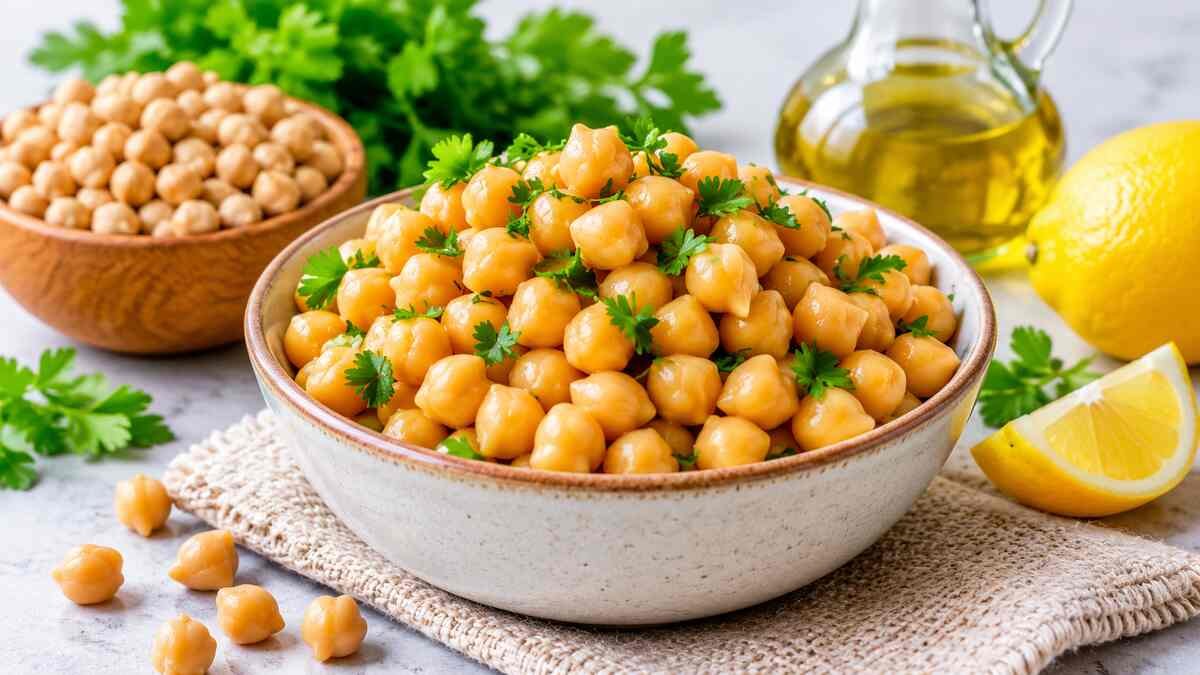

Chickpeas are an affordable, versatile legume that shows up in salads, curries, soups, and hummus. Many people want to know whether they can make them a daily habit, mainly for the protein, fiber, and digestive benefits. It is a fair question, since chickpeas are filling and easy to cook with.
The short answer is that most healthy adults can eat chickpeas every day in moderate portions. They provide plant-based protein, fiber, folate, and minerals that fit into a balanced diet. The key is tolerance: some people feel gassy or bloated when they eat legumes often, especially if they increase their intake quickly.
This guide explains what happens when you eat chickpeas daily, their nutrition, potential benefits, sensible portions, side effects, and practical ways to enjoy them without getting bored. It draws on the Harvard T.H. Chan School of Public Health, USDA FoodData Central, and published research. It offers general information, not individualized medical advice. For an overview of chickpea benefits, see our guide to chickpeas health benefits.
Can You Eat Chickpeas Every Day?
Yes, most healthy adults can eat chickpeas every day as part of a balanced diet. Chickpeas provide plant-based protein, dietary fiber, folate, and important minerals that support overall health. A serving of about ½ cup of cooked chickpeas is a practical starting point for many people. However, individual tolerance varies, especially for people who experience digestive discomfort or follow a medically prescribed diet.
Chickpeas are nutritious, but you do not need to eat them every day. Variety matters more than any single food. A varied diet that includes other legumes, whole grains, vegetables, fruits, nuts, and seeds covers more nutrients than relying heavily on one ingredient.
It also helps to think about how chickpeas fit into meals. Having them as a side dish or salad topper is different from relying on them as your main source of nutrition. Our guide to the health benefits of legumes explains why a mix of pulses works well.
Chickpeas Nutrition: What Do You Get in One Serving?
Chickpeas are a nutrient-dense legume. They offer plant protein, fiber, complex carbohydrates, and several micronutrients in a small serving. The table shows approximate values for ½ cup (about 82 grams) of cooked, unsalted chickpeas, based on USDA FoodData Central.
| Nutrient | Approximate amount per ½ cup cooked |
|---|---|
| Calories | 135 kcal |
| Protein | 7.3 g |
| Fiber | 6.3 g |
| Carbohydrates | 22.5 g |
| Fat | 2.1 g |
| Folate | 141 mcg |
| Iron | 2.4 mg |
Values vary with preparation and product type.
Here is why these nutrients matter:
- Plant-based protein: supports muscle maintenance and repair and makes meals more satisfying. See our list of high-protein foods.
- Soluble and insoluble fiber: support regular bowel movements and feed beneficial gut bacteria. See high-fiber foods for digestive health.
- Complex carbohydrates: provide steady energy.
- Folate and iron: support cell growth and oxygen transport. The NIH explains folate’s role. Chickpea iron is non-heme iron, which the body absorbs less efficiently than iron from meat.
- Magnesium, potassium, and manganese: support muscle, nerve, and metabolic function.
7 Potential Health Benefits of Eating Chickpeas Daily
These benefits are potential contributions to an overall healthy dietary pattern. They are not guaranteed outcomes from eating chickpeas alone, and much of the research looks at pulses or legumes as a group.
1. Supports Digestive Health
Chickpea fiber supports bowel regularity. Some chickpea carbohydrates are fermented by gut bacteria, which the Harvard Nutrition Source links to beneficial species such as Bifidobacterium. Chickpeas will not cure constipation or other digestive conditions. For more, see our guide on how to improve gut health.
2. Helps You Feel Full for Longer
Protein and fiber slow digestion, which can make meals more satisfying. That can help when you are trying to manage portions, though fullness does not by itself cause weight loss.
3. Provides Plant-Based Protein
Chickpeas contribute to daily protein intake, especially for people who eat less meat or follow plant-based diets. Pair them with grains, nuts, and seeds across the day for variety.
4. Supports Heart Health
Fiber, unsaturated fats, and potassium may contribute to healthier cholesterol and blood pressure when chickpeas replace less nutritious foods. The evidence is stronger for legumes as a group than for chickpeas alone. See our list of heart-healthy foods.
5. May Support Healthy Blood Sugar Management
Chickpeas contain fiber, protein, and slowly digested starches. The Harvard Nutrition Source notes that both dried and canned chickpeas have a low glycemic index. Portion size and the rest of the meal still matter, and people with diabetes should follow individual guidance. See our diabetes diet guide.
6. Supplies Important Vitamins and Minerals
Chickpeas provide folate, iron, magnesium, potassium, and manganese. See our list of iron-rich foods for other options.
7. Makes Healthy Eating More Affordable and Convenient
Dried and canned chickpeas are inexpensive, shelf-stable sources of protein and fiber. They make it easier to build balanced meals on a budget.
How Many Chickpeas Should You Eat Per Day?
No universal daily serving exists for chickpeas. A review in Nutrition Reviews concluded that 100 grams or about 125 mL (half a metric cup) of cooked pulses is a reasonable serving target, while noting that there is no consensus recommendation. These portions are practical guides, not medical prescriptions.
- ¼ cup: a smaller portion for people who are increasing fiber gradually.
- ½ cup: a practical starting serving for many adults.
- 1 cup: a larger serving that may fit some diets, depending on appetite, energy needs, and digestive tolerance.
If you are not used to legumes, start small and build up over a couple of weeks. Drink enough water as your fiber intake rises.
What Are the Side Effects of Eating Chickpeas Every Day?
Most side effects are mild and digestive.
Gas and Bloating
Chickpeas contain fiber and fermentable carbohydrates, which gut bacteria break down and produce gas. This is more likely when you suddenly eat more of them. Soaking dried chickpeas before cooking can reduce the compounds responsible, according to Harvard. See our guide to common digestive problems.
Digestive Discomfort in Sensitive Individuals
People with irritable bowel syndrome (IBS) or certain food sensitivities may need smaller portions or individualized guidance. The NIDDK offers background on diet and IBS.
Food Allergies
Chickpea allergy can occur, and it may involve reactions in people allergic to other legumes. Seek urgent medical care for severe symptoms such as trouble breathing or swelling of the lips or throat.
Excessive Intake and Dietary Imbalance
Very large amounts can crowd out other foods and cause digestive discomfort. Ordinary chickpea intake is not linked to kidney disease or nutrient deficiencies in healthy adults.
Who Should Be Careful About Eating Chickpeas Daily?
Most people do not need to avoid chickpeas just because they contain carbohydrate or fiber. A few groups should take extra care:
- People with a known chickpea or legume allergy
- People who have persistent digestive discomfort after eating legumes
- People following a low-FODMAP diet under professional guidance (some tolerate small portions of canned, rinsed chickpeas, but this varies)
- People with specific medical dietary restrictions, such as kidney disease with potassium or phosphorus limits
If you have a medical condition or a prescribed diet, ask your healthcare professional or a registered dietitian how chickpeas fit.
How to Eat Chickpeas Every Day Without Getting Bored
Chickpeas are flexible, so you can vary the style from day to day.
- Breakfast: chickpea flour pancakes or savory chickpea dishes.
- Lunch: chickpea salad, wraps, or hummus sandwiches.
- Dinner: chickpea curry, chana masala, or chickpea vegetable stew.
- Snacks: roasted chickpeas or hummus with raw vegetables.
- Meal prep: add cooked chickpeas to soups, grain bowls, and mixed vegetables.
A few tips help:
- Start with smaller portions.
- Rinse canned chickpeas to reduce excess sodium.
- Cook dried chickpeas thoroughly.
- Pair chickpeas with vegetables, whole grains, and other protein sources. See how to eat more vegetables.
- Increase fiber intake gradually.
Use olive oil and spices for flavor, and keep added salt in check. See the benefits of olive oil.
Canned vs. Dried Chickpeas: Which Is Better for Daily Eating?
Both work well. Canned chickpeas are convenient and ready to use. The Harvard Nutrition Source notes that canned chickpeas retain much of their nutritional value and are comparable to cooked dried ones.
Dried chickpeas are cheaper and let you control the salt, but they need sorting, rinsing, and long cooking. Soaking for at least three hours or overnight shortens cooking time and may make them easier to digest. When buying canned, choose no-salt-added or lower-sodium products when possible, and rinse them to reduce sodium. The amount removed varies.
Frequently Asked Questions About Eating Chickpeas Every Day
Can You Eat Chickpeas Every Day for Weight Loss?
Chickpeas may help with fullness because of their fiber and protein. Weight management still depends on your total diet and lifestyle. See our guide to weight management.
Are Chickpeas Good for Your Gut?
Chickpea fiber supports regular bowel movements and may nourish beneficial gut bacteria, according to the Harvard Nutrition Source. Some people get gas, so increase portions gradually. Our list of prebiotic foods covers related options.
Can You Eat Chickpeas at Night?
No general rule says you must avoid chickpeas in the evening. If they cause gas or discomfort that disturbs your sleep, try a smaller portion or an earlier meal.
Are Canned Chickpeas Healthy?
Yes. Canned chickpeas retain much of their nutritional value and can be a healthy choice. Drain and rinse them, and pick lower-sodium products when possible.
Do Chickpeas Cause Weight Gain?
No single food automatically causes weight gain. Overall calorie intake, portion sizes, and eating patterns matter. Large portions with lots of added oil or sauce can add calories.
Are Chickpeas Better Than Lentils?
Neither is universally better. Both are nutritious legumes that differ in nutrient composition, cooking time, and taste. Lentils cook faster, while chickpeas hold their shape for salads and roasting.
The Bottom Line
Chickpeas can be a nutritious everyday food for most healthy adults. They offer fiber, plant protein, and several important micronutrients. Moderate portions, gradual increases in fiber, and dietary variety matter more than a rigid daily chickpea rule.
To start, try a ½-cup serving as part of a balanced meal and adjust to your tolerance. If you have a medical condition, an allergy, or a prescribed diet, talk with a healthcare professional first.
For more ideas, see our guide to how many vegetables to eat a day.
Sources
- Harvard T.H. Chan School of Public Health, The Nutrition Source. Chickpeas (Garbanzo Beans).
- Marinangeli CPF, et al. Enhancing nutrition with pulses: defining a recommended serving size for adults. Nutrition Reviews, 2017.
- U.S. Department of Agriculture. FoodData Central.
- NIH Office of Dietary Supplements. Folate: Fact Sheet for Health Professionals.
- National Institute of Diabetes and Digestive and Kidney Diseases. Eating, Diet, & Nutrition for Irritable Bowel Syndrome.
Medical Disclaimer: This article is for general educational purposes only and is not medical advice. It does not replace the guidance of your doctor, pharmacist, or registered dietitian. Talk with a qualified healthcare professional before changing your diet, especially if you have a food allergy, digestive condition, kidney disease, or another medical condition.