
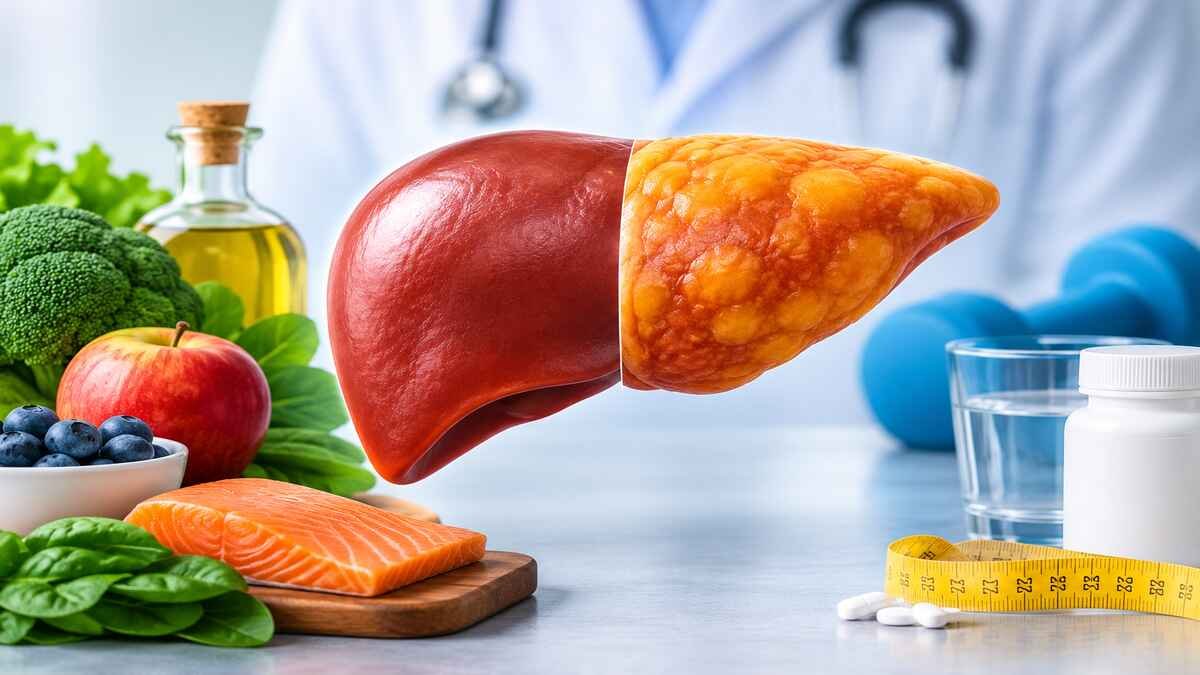

Fatty liver is a common condition that occurs when excess fat builds up in liver cells. It often causes no noticeable symptoms, so many people learn they have it only after routine blood work or imaging. It is closely linked to excess weight, insulin resistance, type 2 diabetes, and other metabolic health problems.
The encouraging news is that early-stage fatty liver can often improve with appropriate care. Treatment usually starts with changes to eating habits, physical activity, and weight, along with better control of related conditions such as diabetes and high cholesterol. These steps form the foundation of care described in guidance from the American Association for the Study of Liver Diseases (AASLD).
Some adults with more advanced disease may also qualify for prescription medication or other specialized treatment. This guide explains the main fatty liver treatment options, who they are designed for, and how progress is monitored. It offers general information and does not replace individualized medical advice.
What Is Fatty Liver Disease?
Understanding Fat Accumulation in the Liver
The liver processes nutrients, filters the blood, stores energy, and makes bile for digestion. A healthy liver contains a small amount of fat. Fatty liver, also called hepatic steatosis, develops when fat makes up an excessive share of liver cells.
In simple steatosis, fat builds up with little or no inflammation, and many people never develop serious problems. In others, the fat triggers inflammation and liver cell injury, which can lead to scarring (fibrosis) over time. Advanced scarring is called cirrhosis, and it can reduce the liver’s ability to function.
Types of Fatty Liver Disease
In 2023, liver disease societies updated the terminology. Nonalcoholic fatty liver disease (NAFLD) is now called metabolic dysfunction-associated steatotic liver disease (MASLD), and nonalcoholic steatohepatitis (NASH) is now called metabolic dysfunction-associated steatohepatitis (MASH). You will still see both sets of terms, including in the EASL, EASD, and EASO clinical practice guidelines.
- MASLD: Fat buildup in the liver in people with at least one cardiometabolic risk factor, such as obesity, type 2 diabetes, or high blood pressure, without harmful alcohol intake.
- MASH: A more serious form of MASLD that includes liver inflammation and cell injury, which can raise the risk of scarring.
- Alcohol-associated liver disease (ALD): Fat buildup and liver damage linked to alcohol use.
The cause matters because treatment recommendations differ. Avoiding alcohol is central for ALD, while MASLD care focuses mainly on metabolic health. Some people have features of both, and a clinician can help sort out which applies.
Can Fatty Liver Be Reversed?
Fatty liver can often improve, particularly in its early stages. Lifestyle changes such as eating a balanced diet, exercising regularly, and achieving gradual weight loss when appropriate can reduce liver fat. However, advanced liver scarring may require specialized medical treatment and ongoing monitoring.
The possibility of improvement depends on the underlying cause, the stage of disease, and individual health factors. Weight loss can reduce liver fat and inflammation and, in some people, may improve fibrosis. Improvement does not always mean complete reversal for every person.
When significant fibrosis or cirrhosis is present, the goal often shifts toward slowing progression, protecting remaining liver function, and preventing complications. That care is best guided by a clinician, sometimes a liver specialist called a hepatologist.
What Are the Most Effective Fatty Liver Treatment Options?
There is no single best treatment for fatty liver. The right approach depends on the cause, the degree of inflammation, and whether scarring is present. For many people, treatment combines several of the following:
- Dietary improvements
- Gradual weight loss when appropriate
- Regular physical activity
- Management of diabetes, cholesterol, and blood pressure
- Prescription medication for eligible adults with more advanced MASH
- Regular medical monitoring
The sections below explain each option, starting with the lifestyle foundations that apply to most people.
1. Follow a Healthy Diet for Fatty Liver
A fatty liver diet aims to reduce metabolic risk factors and support gradual weight loss. No single food treats the condition. Overall eating patterns matter most, and a Mediterranean-style eating pattern is often recommended because it emphasizes minimally processed foods and has supporting evidence for liver fat reduction, as discussed in the EASL guidelines.
Foods to Include in a Fatty Liver Diet
These foods fit well into a liver-friendly eating pattern:
- Vegetables, especially leafy greens
- Whole grains such as oats, brown rice, and whole wheat
- Fresh fruit in reasonable portions
- Legumes and beans
- Nuts and seeds in measured amounts
- Fatty fish and other lean proteins
- Olive oil and other unsaturated fats
You can find more ideas in our guide to healthy fats. The Mayo Clinic also recommends a diet rich in fruits, vegetables, and whole grains.
Foods and Drinks to Limit or Avoid
These choices can make weight and blood sugar harder to manage:
- Sugar-sweetened beverages and juices
- Foods high in added sugar
- Refined carbohydrates such as white bread and pastries
- Deep-fried foods
- Processed and red meats
- Foods high in saturated and trans fats
- Alcohol
People with alcohol-associated liver disease should avoid alcohol. For everyone else with fatty liver, the safest amount is best decided with a healthcare professional, since alcohol can add to liver injury.
Why Dietary Changes Matter
Reducing excess calories, improving insulin sensitivity, and limiting added sugars may help lower liver fat. These changes also support heart health, which matters because cardiovascular disease is a leading concern in MASLD. Because no food is a cure, the goal is a pattern you can sustain over time.
2. Lose Weight Gradually and Maintain a Healthy Weight
For people with overweight or obesity, weight management is a central part of treatment. Excess body fat and insulin resistance both contribute to fat buildup in the liver. The National Institute of Diabetes and Digestive and Kidney Diseases (NIDDK) notes that healthy food choices, portion control, and physical activity can improve fatty liver.
Research summarized by AASLD and other groups suggests that losing about 3% to 5% of body weight can reduce liver fat. Greater weight loss, often 7% to 10% or more, may be needed to improve inflammation and fibrosis. Mayo Clinic also notes that even a modest loss can have benefits.
Slow and steady is safer than fast. NIDDK cautions that rapid weight loss and malnutrition can make liver disease worse, so crash diets are not recommended.
These targets are general benchmarks, not promises. People who are not overweight can still have fatty liver, and they may benefit more from other approaches, such as improving diet quality, exercising, and managing metabolic conditions. For more on this topic, see our guide to healthy weight management.
3. Exercise Regularly to Improve Liver Health
Physical activity is an important part of fatty liver management. It can lower liver fat, improve insulin sensitivity, and support heart health. Many of these benefits occur even when the number on the scale changes little.
Recommended Types of Exercise
The best exercise is one you can do consistently. Good options include:
- Brisk walking (see our guide to walking for health)
- Cycling
- Swimming
- Strength training (our strength training for beginners guide is a helpful start)
- Other low-impact aerobic activity
How Much Exercise Is Beneficial?
Most adults can aim for at least 150 minutes of moderate-intensity aerobic activity per week, adjusted for their health and fitness level. The Mayo Clinic gives the same target and advises checking with your care team before starting if you are not already active.
Combining aerobic and resistance training can support metabolic health. Consistency matters more than intensity, so start where you are and build gradually. You can learn more about the benefits of exercise on our site.
4. Manage Diabetes, Cholesterol, and Other Health Conditions
Treating underlying metabolic conditions is essential because they drive fatty liver and raise heart risk. Key conditions include:
- Type 2 diabetes and insulin resistance: See our overview of managing type 2 diabetes and insulin resistance.
- High cholesterol and triglycerides: Learn more about understanding high cholesterol.
- High blood pressure: Read about high blood pressure.
- Obesity and metabolic syndrome: See our guide to metabolic syndrome.
Healthcare professionals may recommend medication for these conditions alongside lifestyle changes. Statins may be appropriate for managing cholesterol and cardiovascular risk in people with fatty liver, and fatty liver alone is not generally a reason to avoid an otherwise indicated statin, according to AASLD guidance. Heart health is a major part of overall care for people with MASLD.
5. Prescription Medications for Fatty Liver Disease
Medications for metabolic conditions are different from medicines approved specifically for certain forms of fatty liver disease. In the United States, two drugs now have liver-specific approvals for MASH with scarring. Neither is a general treatment for everyone with fatty liver.
Resmetirom (Rezdiffra)
In March 2024, the FDA approved resmetirom (Rezdiffra) for adults with noncirrhotic MASH and moderate to advanced liver fibrosis (stages F2 to F3), to be used along with diet and exercise. The FDA announcement lists diarrhea and nausea as common side effects and warns about drug-induced liver toxicity and gallbladder-related problems.
It is not intended for people with decompensated cirrhosis. Because it can interact with some medicines, including certain statins, treatment requires medical assessment and monitoring.
Semaglutide (Wegovy)
In August 2025, the FDA granted accelerated approval to Wegovy (semaglutide) for adults with noncirrhotic MASH and moderate to advanced fibrosis, used alongside a reduced-calorie diet and increased physical activity, as described on the FDA’s MASH treatment page. It may also be relevant for people who meet its existing indications for obesity or overweight treatment.
It is not automatically appropriate for every person with fatty liver. Eligibility depends on diagnosis, fibrosis stage, other health conditions, and safety considerations.
Are Other Medications Used?
Doctors may prescribe medicines for associated conditions such as type 2 diabetes, obesity, or high cholesterol. Some of these can also support liver health, but they are chosen for the underlying condition. Decisions depend on your diagnosis, fibrosis stage, other medical conditions, possible contraindications, and the approvals that apply where you live.
Common options such as vitamin E, metformin, or supplements are not universally approved or proven treatments for fatty liver. Do not start them for your liver without medical guidance.
6. Weight-Loss Surgery and Advanced Treatment Options
Some people need treatment beyond lifestyle changes and medication. Bariatric (metabolic) surgery may be an option for selected adults with obesity, and it can improve metabolic health and fatty liver disease in many patients. The EASL guidelines describe it as an option for people with MASLD and obesity.
A specialist assessment is important before surgery, especially for anyone with advanced liver disease. Surgery is not a routine treatment for uncomplicated fatty liver.
If cirrhosis develops, care focuses on managing complications, adjusting metabolic medicines, nutrition counseling, and screening for problems such as portal hypertension and liver cancer. Liver transplantation may be considered for selected people with end-stage liver disease.
7. Avoid Unproven Fatty Liver Remedies and Supplements
Online marketing often promises quick liver fixes. Be cautious with:
- Liver detox teas
- Unverified herbal remedies
- Unregulated liver-cleansing supplements
- High-dose vitamins taken without medical advice
- Products that promise rapid liver fat removal
Some supplements and herbal products can injure the liver, and Mayo Clinic advises checking with your care team before using herbal supplements. For a balanced look at this topic, read our guide on how to support a fatty liver at home. Always discuss every supplement and over-the-counter product with a healthcare professional.
How Is Fatty Liver Treatment Monitored?
Progress is tracked with a mix of blood tests, imaging, and follow-up visits. Your clinician may use:
- Liver enzyme tests: ALT and AST levels can suggest liver injury.
- Blood sugar and lipid tests: These track diabetes control and cholesterol, including A1C testing.
- Ultrasound and other imaging: Used when appropriate to look for fat in the liver.
- Fibrosis assessment: Noninvasive tools such as the FIB-4 score and transient elastography estimate scarring. The EASL guidelines describe a stepwise approach using blood-based scores and then elastography.
Normal liver enzymes do not rule out significant fibrosis. For this reason, people with risk factors may need fibrosis assessment even when routine blood tests look reassuring.
Frequently Asked Questions About Fatty Liver Treatment
1. What is the best treatment for fatty liver?
For most people, the core treatments are a healthy diet, regular exercise, gradual weight loss when appropriate, and control of conditions like diabetes and high cholesterol. Some adults with MASH and significant fibrosis may qualify for medication such as resmetirom or semaglutide, according to AASLD guidance.
2. Can fatty liver be reversed naturally?
Early-stage metabolic fatty liver can often improve through dietary changes, physical activity, and sustainable weight management. Medical monitoring is still important, because improvement in liver fat does not always show whether scarring is present.
3. Which foods should I avoid with fatty liver?
Most clinicians recommend limiting sugary drinks, foods high in added sugar, refined carbohydrates, and foods high in saturated fat. Alcohol should be avoided or limited based on your doctor’s advice, as Mayo Clinic notes.
4. How long does it take to reverse fatty liver?
There is no set timeline. Results vary with the severity of disease, the cause, and how consistently treatment is followed. Your care team can use follow-up testing to show whether your liver is improving.
5. Is medication necessary for fatty liver?
Many people do not need liver-specific medication. Prescription treatment is generally reserved for certain adults with MASH and moderate to advanced fibrosis, as described by the FDA.
6. Can fatty liver become dangerous if left untreated?
In some people, fatty liver can progress to MASH, fibrosis, cirrhosis, and complications such as liver failure or liver cancer. Most people with simple fatty liver do not progress, but it is hard to know who is at risk without evaluation. Regular monitoring helps catch changes early, as the NIDDK explains.
Final Thoughts: Choosing the Right Fatty Liver Treatment
Fatty liver treatment depends on the underlying cause and the severity of disease. Lifestyle changes remain central, medical treatment may help selected patients, and early evaluation with regular monitoring can reduce the risk of complications. Because every situation is different, talk with a qualified healthcare professional about a plan that fits your health. You can also explore more healthy eating habits as a next step.
Sources
- AASLD: Clinical Assessment and Management of MASLD
- NIDDK: Treatment for NAFLD and NASH
- FDA: FDA Approves First Treatment for Patients with Liver Scarring Due to Fatty Liver Disease (resmetirom)
- FDA: FDA Approves Treatment for Serious Liver Disease Known as MASH (semaglutide)
- Mayo Clinic: Nonalcoholic Fatty Liver Disease, Diagnosis and Treatment
- EASL, EASD, EASO: Clinical Practice Guidelines on the Management of MASLD (Journal of Hepatology, 2024)
Medical Disclaimer: This article is for general education only and does not replace advice from a doctor or other qualified healthcare professional. Fatty liver affects people differently, so treatment should be based on your own diagnosis, test results, and medical history. Talk with your healthcare provider before making changes to your diet, exercise, medications, or supplements. If you have symptoms such as yellowing of the skin or eyes, severe abdominal pain, or swelling in the belly or legs, seek medical care promptly.
1 thought on “Fatty Liver Treatment Options Explained: Diet, Medication & Lifestyle Changes”
Comments are closed.