
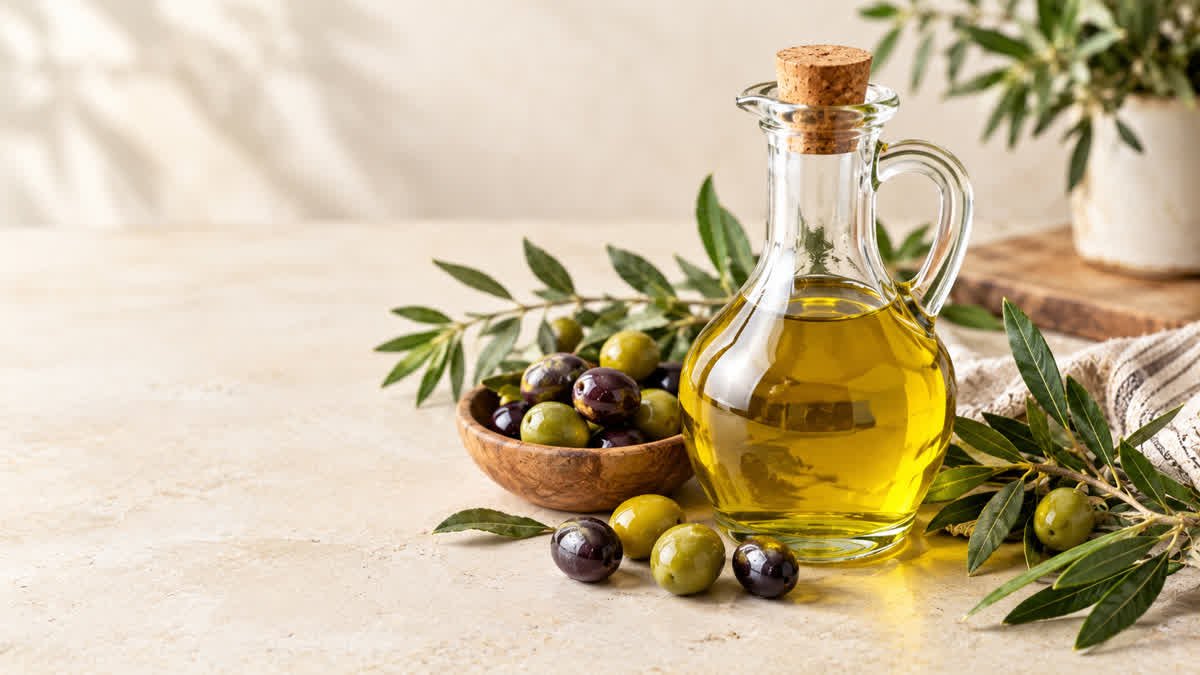

For most people, olive oil can be part of a daily diet when it is used in sensible amounts and fits within overall nutrition needs. Olive oil is a staple of Mediterranean-style eating, and it is valued mainly for its fat profile. Most of its fat is monounsaturated, which differs from the saturated fat found in butter and many processed foods.
That said, the amount you use and the foods it replaces both matter. A drizzle of olive oil in place of butter is a very different change from adding several extra tablespoons on top of an already calorie-rich diet. No single ingredient makes a diet healthy on its own, and daily olive oil use does not automatically prevent disease or guarantee better health.
This guide explains whether you can eat olive oil every day, what regular use may mean for your body, and how much is reasonable. You will also find calorie information, the difference between extra virgin and refined olive oil, possible downsides, cooking and storage tips, and answers to common questions.
Can You Eat Olive Oil Every Day?
Yes, most people can include olive oil in their daily meals as part of a balanced diet. It works well in salad dressings, on cooked vegetables, in bean and lentil dishes, and as an everyday cooking fat. The right amount depends on your energy needs, food preferences, and the rest of what you eat.
The most useful approach is usually to swap, not simply add. Using olive oil in place of some butter, shortening, or other fats high in saturated fat is a different dietary change than stacking extra oil onto your usual meals. Our guide on what a balanced diet looks like explains how fats fit alongside vegetables, whole grains, protein foods, and fruit.
Total diet quality matters more than any single ingredient. The Dietary Guidelines for Americans encourage choosing healthy dietary patterns and replacing some saturated fat with unsaturated fat, rather than focusing on one “superfood.”
There is also no universal daily dose of olive oil that guarantees a health benefit. Studies use different amounts, and the people in those studies differ in age, health, and eating patterns. If you follow an individualized eating plan for a medical condition, ask your healthcare professional or a registered dietitian how olive oil fits into it.
What Happens When You Eat Olive Oil Every Day?
Eating olive oil regularly changes the type and amount of fat in your meals. The effects depend on how much you use and what it replaces. Here is what generally happens.
You Get More Unsaturated Fat
Olive oil is rich in monounsaturated fat, mainly oleic acid. According to USDA FoodData Central, a tablespoon of olive oil contains roughly 10 grams of monounsaturated fat and about 2 grams of saturated fat.
When olive oil replaces some saturated fat in your diet, the overall fat quality of your meals improves. The American Heart Association’s scientific advisory on dietary fats supports lowering saturated fat intake and replacing it with unsaturated fats as part of a heart-conscious pattern.
You Consume Additional Calories
Olive oil is energy-dense. One tablespoon provides about 119 calories, and nearly all of them come from fat. If you add it without adjusting anything else, your total calorie intake can creep up over time.
This is not a reason to avoid olive oil. It simply means portion awareness is useful, especially if you are watching your weight. Our nutrition facts guide can help you read labels and compare foods more easily.
Your Meals May Become More Satisfying and Flavorful
A small amount of olive oil can make vegetables, beans, whole grains, and fish taste better. That can make nutritious foods easier to enjoy and easier to eat regularly. Fat also adds to the feeling of fullness after a meal.
For many people, this is a practical benefit. A salad with a light olive oil dressing is more likely to be finished than a plain, dry one.
You May Consume Naturally Occurring Plant Compounds
Extra virgin olive oil contains phenolic compounds, which are plant-derived substances studied for their biological activity. The Harvard T.H. Chan School of Public Health notes that olive oil’s composition, including these compounds, helps explain interest in its role in health.
The amount of these compounds varies by olive variety, harvest, processing, and storage. A bottle on your shelf may contain much less than a freshly pressed oil. For a broader overview, see our article on olive oil benefits.
Potential Health Benefits of Eating Olive Oil Daily
Much of the research on olive oil comes from studies of Mediterranean-style eating. In those patterns, olive oil appears alongside vegetables, fruit, legumes, whole grains, nuts, and fish. Because of this, it is often hard to separate the effect of olive oil from the effect of the whole diet.
With that in mind, here are the main areas of interest, along with the limits of the evidence.
1. Supports Heart-Healthy Eating
The strongest case for olive oil relates to heart-conscious eating. Replacing some saturated fat with unsaturated fat can improve blood lipid profiles, including LDL (“bad”) cholesterol. The American Heart Association advisory reviewed this evidence and supports limiting saturated fat in favor of unsaturated fats.
The U.S. Food and Drug Administration has also reviewed this topic. In its qualified health claim for oleic acid, the agency allows labels to state that eating oleic-acid-containing oils may reduce the risk of coronary heart disease, but notes that the supporting evidence is limited and not conclusive. The claim applies when these oils replace fats and oils higher in saturated fat, without increasing the total number of calories you eat.
Olive oil is not a replacement for medication or medical care. People with high cholesterol, heart disease, or other cardiovascular risk factors should follow their clinician’s guidance.
2. Provides Monounsaturated Fat
Oleic acid, the main fat in olive oil, is a monounsaturated fat. It contributes to your daily fat intake and provides a source of energy. Your body also needs dietary fat to absorb fat-soluble vitamins such as A, D, E, and K.
The benefit depends partly on what olive oil replaces. Swapping it for butter or other saturated-fat-rich options is generally more favorable than adding it on top of them. For more on food sources of healthy fats, see our guide to omega-3 fatty acids.
3. Supplies Antioxidant and Phenolic Compounds
Extra virgin olive oil contains phenolic compounds with antioxidant activity in laboratory settings. Researchers study them for their possible effects on cells and blood vessels.
It is important to separate laboratory findings from proven clinical outcomes. Showing that a compound has antioxidant activity in a test tube does not mean that eating olive oil will produce the same effect in your body. If you want to learn more, read our explainer on what antioxidants are and our list of antioxidant-rich foods.
4. May Support a Healthy Inflammatory Response
Researchers have studied olive oil’s fatty acids and phenolic compounds for possible effects on markers of inflammation. Some studies suggest favorable changes, particularly within Mediterranean-style diets, but results are not consistent across all studies.
This does not mean olive oil treats inflammatory disease. Think of it as one food that fits into an eating pattern that is generally rich in plant foods. Our guides to anti-inflammatory foods cover this broader approach.
5. Fits Into a Dietary Pattern Associated With Long-Term Health
Olive oil is one part of the Mediterranean dietary pattern, which is associated with favorable long-term health outcomes in many observational studies and some trials. That pattern typically emphasizes vegetables, fruit, legumes, whole grains, nuts, and fish, with limited red and processed meat.
It would be inaccurate to credit olive oil alone for all the benefits of this pattern. Many of the foods eaten alongside it likely contribute. To see how these pieces fit together, read our overview of the Mediterranean diet.
How Much Olive Oil Should You Eat Per Day?
There is no single amount of olive oil that is right for everyone. The figures below are common culinary portions, not medical prescriptions. Your needs depend on your calorie requirements, activity level, other sources of fat, and health goals.
Understand Common Serving Sizes
The values below come from standard food-composition data such as USDA FoodData Central.
| Serving | Approximate calories | Approximate total fat |
|---|---|---|
| 1 teaspoon | 40 | 4.5 g |
| 1 tablespoon | 119 | 13.5 g |
| 2 tablespoons | 238 | 27 g |
Values are approximate and may vary slightly by serving size and product.
As a reference point, the FDA’s qualified health claim for oleic acid refers to about 1.5 tablespoons (20 grams) per day of oleic-acid-containing oils. That figure comes from the research reviewed for the claim. It is not a target everyone should reach.
Consider Your Overall Diet
If you already eat plenty of nuts, avocado, fatty fish, or other fat-rich foods, you may need less added oil. If you eat a very low-fat diet, a small amount of olive oil may help you enjoy more vegetables and legumes.
Your energy needs also matter. Someone who is very active may have more room for added fat than someone who is mostly sedentary. A registered dietitian can help you find a suitable amount for your situation.
Add It Through Meals
The easiest way to include olive oil is through food you already eat. A few practical ideas:
- Whisk a small amount into a homemade salad dressing with lemon juice or vinegar.
- Drizzle a teaspoon over cooked vegetables just before serving.
- Use it to sauté onions and garlic as a base for bean and lentil dishes.
- Brush a little on fish or chicken before roasting.
Using olive oil this way keeps portions modest while adding flavor to nutritious foods.
Is Extra Virgin Olive Oil Better Than Regular Olive Oil?
Extra virgin and refined olive oils differ in how they are made, how they taste, and how many minor compounds they contain. Both provide mainly unsaturated fat. Our dedicated guide to extra virgin olive oil goes deeper into production and quality.
Extra Virgin Olive Oil
Extra virgin olive oil is produced without chemical refining and must meet chemical and sensory standards to carry that label. It often has a fruity, bitter, or peppery flavor.
Because it is minimally processed, it generally retains more of the naturally occurring phenolic compounds than refined olive oil. This makes it a popular choice for dressings, dipping, and finishing dishes. It also works well for most everyday cooking.
Refined or Regular Olive Oil
Refined olive oil goes through additional processing, which results in a milder flavor and lighter color. It still supplies mostly monounsaturated fat. It can be a practical option when you want a neutral taste in baking or high-heat cooking.
The nutritional differences do not mean refined olive oil has no value. Both types can fit into a healthy diet. If you prefer the flavor or price of regular olive oil, it remains a reasonable choice compared with fats higher in saturated fat.
Can Eating Olive Oil Every Day Help With Weight Management?
Olive oil can fit into a weight-management plan, but it is not a weight-loss food. It does not burn fat, and no single ingredient causes weight loss. Its main relevance is that it is calorie-dense, so portions matter.
Here are some practical points to keep in mind:
- Measure when needed. If calories are a concern, use a measuring spoon rather than pouring freely.
- Replace, do not just add. Use olive oil instead of other fats rather than on top of them.
- Build meals around whole foods. Vegetables, legumes, whole grains, and adequate protein help meals feel filling.
- Think long term. Sustainable habits matter more than any one ingredient.
Foods that offer a lot of nutrition for relatively few calories can help you stay satisfied. Our guide to nutrient-dense foods and our list of high-protein foods are good places to start when building balanced meals.
Possible Downsides of Eating Olive Oil Every Day
For most people, olive oil is well tolerated. Still, there are some practical considerations worth knowing.
Extra Calories Can Add Up
With about 119 calories per tablespoon, generous pours can raise your energy intake more than you expect. A “splash” in a pan, a large salad dressing, and bread dipped in oil can easily total several tablespoons in one day.
If weight gain is a concern, track how much you actually use for a few days. Small adjustments are often enough.
Large Amounts May Cause Digestive Discomfort
Some people feel bloated, nauseated, or have loose stools after eating a lot of fat at once. This can happen with any high-fat food, including olive oil. Sensitivity varies from person to person.
If you notice discomfort, try using smaller amounts or spreading olive oil across meals. Persistent or severe symptoms deserve a conversation with a healthcare professional. You can read more in our overview of common digestive problems.
It Should Not Replace Other Important Foods
Olive oil provides fat and some vitamin E and vitamin K, but it does not supply meaningful protein or fiber. It is also not a broad source of vitamins and minerals.
This means it works best as a complement to vegetables, legumes, whole grains, fruit, and protein foods. A varied diet remains the foundation. Our list of healthy foods offers many ideas.
It Is Not a Substitute for Medical Treatment
Olive oil cannot treat high cholesterol, diabetes, digestive disease, or any other medical condition. It can be part of an eating pattern that supports overall health, but it should never replace prescribed treatment.
If you have a health condition or take medication, talk with your healthcare professional before making major changes to your diet.
Can You Cook With Olive Oil Every Day?
Yes. Olive oil works well for many common cooking methods, including sautéing, roasting, and making dressings. Both extra virgin and refined olive oil are used in home kitchens for these purposes.
A few simple habits help you get the most out of it:
- Match the heat to the method. Medium heat is suitable for most sautéing and roasting.
- Avoid overheating. If oil is smoking heavily, it is too hot and the flavor and quality can decline.
- Do not reuse degraded oil. Oil that has been heated repeatedly or smells off should be discarded.
- Choose by flavor and need. Extra virgin suits dressings and finishing, while refined suits neutral-tasting dishes.
No oil needs to be your only fat. Varying your cooking fats and also eating foods that naturally contain healthy fats, such as nuts and fish, is a sensible approach.
Olive oil pairs well with many nutritious dishes. Try roasting vegetables, sautéing greens (see our guide to the health benefits of leafy green vegetables), simmering bean dishes, or preparing fatty fish with a light coating of oil and herbs.
How to Store Olive Oil to Preserve Its Quality
Light, heat, and oxygen can all speed up the decline in olive oil quality. Proper storage helps protect flavor and, in extra virgin oils, the delicate compounds that make it distinctive.
- Keep the bottle away from direct sunlight.
- Store it in a cool place, away from the stove, oven, or other heat sources.
- Close the lid tightly after each use.
- Choose dark glass or an opaque container when possible.
- Avoid leaving the bottle next to a hot stovetop just for convenience.
Refrigeration is usually not necessary for routine household storage. If you do chill olive oil, it may turn cloudy or solidify, which is normal and reverses at room temperature. Buying smaller bottles that you can finish within a few months also helps keep the oil fresh.
Frequently Asked Questions
Is one tablespoon of olive oil a day good for you?
One tablespoon can fit comfortably into a balanced diet, especially when it replaces fats higher in saturated fat. However, there is no universal daily amount that guarantees health benefits. Your overall diet and individual needs matter more than any single number.
Can I take olive oil on an empty stomach?
Most people have no compelling need to take olive oil on an empty stomach. Including it with meals is just as practical and often more pleasant. Some people find that plain oil on an empty stomach upsets their digestion.
Is it okay to eat olive oil every day for heart health?
Olive oil can be part of a heart-conscious eating pattern, particularly when it replaces some saturated fat, as described by the American Heart Association. It is not a stand-alone treatment, and it does not replace medication or medical care. Talk with your clinician if you have heart disease or high cholesterol.
Can olive oil cause weight gain?
Any food can contribute to weight gain if it pushes your total calorie intake above your needs. Because olive oil is energy-dense, with about 119 calories per tablespoon according to USDA FoodData Central, portion awareness is helpful. Using it in place of other fats rather than in addition to them can help.
Is extra virgin olive oil safe for everyday cooking?
Yes, extra virgin olive oil is suitable for many everyday cooking methods, such as sautéing, roasting, and dressings, when used at appropriate heat. If you want a more neutral flavor, refined olive oil is another option. Avoid heating any oil until it smokes heavily.
Should I drink olive oil instead of using it in food?
Drinking olive oil is not necessary. Using it in meals is a practical way to include it in your diet, and it makes it easier to pair with vegetables, legumes, and whole grains. If you are considering large amounts for a health reason, speak with a healthcare professional first.
Conclusion
Most people can eat olive oil every day in reasonable portions as part of a varied diet. It offers mostly unsaturated fat, adds flavor to nutritious foods, and fits naturally into Mediterranean-style eating. It is not a cure, a treatment, or a shortcut to better health.
Three practical principles can guide you. First, use olive oil to replace some fats higher in saturated fat where appropriate. Second, keep portions in mind, since olive oil is calorie-dense. Third, choose a quality product, store it well, and pair it with a diet rich in whole and minimally processed foods.
Overall dietary patterns matter far more than relying on a single ingredient. For more ideas on building meals around nourishing foods, explore our guide to healthy foods.
Sources
- U.S. Food and Drug Administration. FDA Completes Review of Qualified Health Claim Petition for Oleic Acid and the Risk of Coronary Heart Disease
- Harvard T.H. Chan School of Public Health, The Nutrition Source. Olive Oil
- U.S. Department of Agriculture. FoodData Central
- Sacks FM, et al. American Heart Association. Dietary Fats and Cardiovascular Disease: A Presidential Advisory. Circulation.
- U.S. Department of Agriculture and U.S. Department of Health and Human Services. Dietary Guidelines for Americans
Medical Disclaimer: This article is for general educational purposes only and is not a substitute for professional medical advice, diagnosis, or treatment. Nutrition needs vary from person to person. Always talk with your doctor, registered dietitian, or another qualified healthcare professional before making changes to your diet, especially if you have a medical condition, take medication, or are pregnant or breastfeeding.
Never ignore professional medical advice or delay seeking it because of something you read on this website.
1 thought on “Can You Eat Olive Oil Every Day? What to Know”
Comments are closed.