
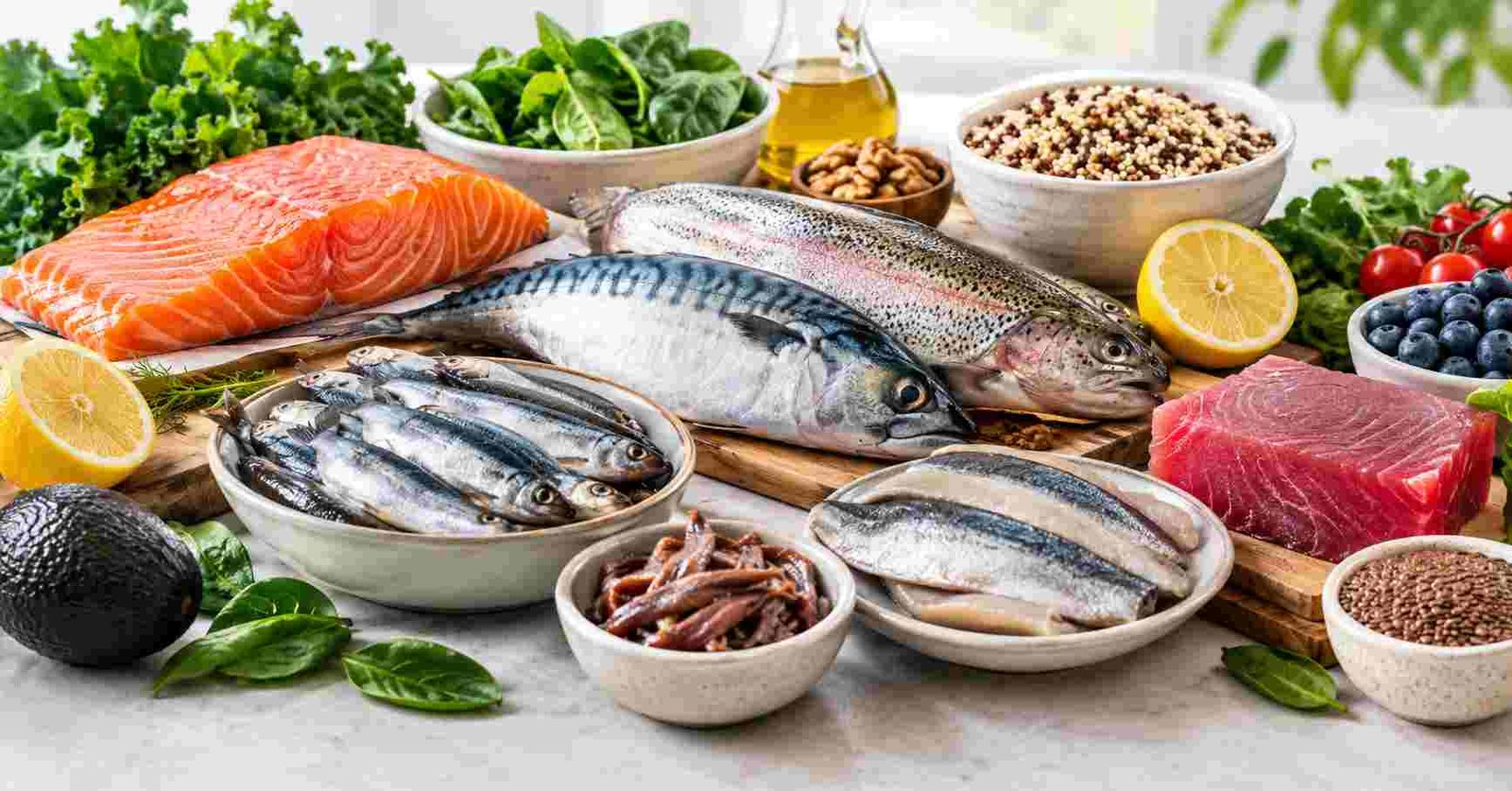

If you are trying to eat in a way that supports your heart and brain, fish is one of the simplest foods to add to your plate. Among all seafood, the best fatty fish stand out because they naturally contain more of the omega-3 fatty acids EPA and DHA. These fats are hard to get in meaningful amounts from most other foods.
But “best” depends on more than omega-3 content. Price, availability, flavor, sodium, and mercury all matter, and so does what you will actually enjoy eating each week. A fish that fits your budget and your taste is more useful than a perfect one that never makes it to your table.
This guide walks through seven well-regarded options, how they compare, how often to eat them, and how to cook and shop for them. It is general nutrition information, not personal medical advice, and it pairs well with our broader overview of fatty fish, their benefits and types.
What Is Fatty Fish?
Fatty fish, also called oily fish, are fish that naturally contain higher amounts of healthy fats, particularly the omega-3 fatty acids EPA and DHA. Salmon, sardines, mackerel, herring, trout, anchovies, and albacore tuna are among the commonly recommended options. The American Heart Association (AHA) lists salmon, sardines, mackerel, herring, lake trout, and albacore tuna as fish that provide notable amounts of omega-3s.
The fat in these fish is mostly unsaturated, which is the type of fat generally encouraged in heart-healthy eating. For more on how these fats work in the body, see our guide to healthy fats.
Why Are Fatty Fish Rich in Omega-3s?
EPA (eicosapentaenoic acid) and DHA (docosahexaenoic acid) are long-chain omega-3 fatty acids. Fish accumulate them by eating algae and smaller organisms that make these fats, so they are concentrated in the flesh and oils of many cold-water species.
Plant foods such as flaxseed, chia seeds, and walnuts supply a different omega-3 called ALA (alpha-linolenic acid). The body can convert a small amount of ALA into EPA and DHA, but the conversion is limited, according to the NIH Office of Dietary Supplements. Fatty fish provide EPA and DHA directly, which is why they are such a valued food source. You can read more in our article on omega-3 fatty acids.
Fatty Fish vs. Lean Fish
Lean fish, such as cod, haddock, flounder, and tilapia, contain less fat overall. They are still good sources of protein and can fit well into a healthy diet. The main difference is that fatty fish generally provide more EPA and DHA per serving.
This does not make lean fish unhealthy. Eating a mix of both types adds variety, and the best choice is often whichever one you will eat regularly. Fatty fish also tend to be higher in calories because of their fat content, but that fat is the beneficial kind.
Why Are Fatty Fish Good for Heart and Brain Health?
Fatty fish earn their reputation because EPA and DHA play roles in the cardiovascular system and the brain. Still, no single food determines health outcomes. Fish work best as one part of an overall eating pattern, such as the one described in our guide to what a healthy diet looks like.
Heart Health
The AHA recommends eating fish, particularly fatty fish, at least twice a week as part of a heart-healthy eating pattern. This advice is based on research linking regular fish intake with a lower risk of cardiovascular events in many populations. Much of this evidence is observational, which means it shows an association but cannot prove that fish alone caused the benefit.
Part of the benefit may come from replacing less healthy foods. When fish takes the place of processed or fatty red meats, the diet may contain less saturated fat. The AHA’s dietary guidance emphasizes whole patterns rich in vegetables, fruits, whole grains, healthy protein sources, and unsaturated fats rather than any one food.
Omega-3s from fish can also lower blood triglycerides, especially at higher doses used in prescription products. Eating fish is not a substitute for medical care, and it does not prevent heart disease on its own. If you have questions about your own risk, our overviews of heart disease and how to prevent heart disease are a helpful next step.
Brain Health
DHA is an important structural component of brain tissue and the retina of the eye. Getting enough DHA through food supports normal brain function and development, which is one reason seafood guidance is especially careful for pregnancy and early childhood.
Research is also investigating whether higher fish or omega-3 intake may offer cognitive benefits later in life. So far, results are mixed. Some observational studies link fish intake with better cognitive outcomes, but clinical trials of omega-3 supplements have not consistently shown that they prevent dementia or slow cognitive decline, as noted by the National Center for Complementary and Integrative Health. Fish is best viewed as one brain-friendly food within a varied, balanced diet.
7 Best Fatty Fish to Add to Your Diet
Choosing the best fatty fish for you depends on omega-3 content, overall nutrition, mercury levels, cost, availability, and personal preference. The seven options below are widely available and generally fall into the FDA’s lower-mercury categories, with notes where species matter. You can compare exact nutrient values for any species in the USDA FoodData Central database.
1. Salmon
Salmon is a top choice for good reason. It is rich in EPA and DHA, provides high-quality protein, and supplies vitamin D and other nutrients. It is also easy to find fresh, frozen, and canned.
Salmon works baked, grilled, or poached, and it flakes nicely into grain bowls and salads. For a deeper look at its nutrition, see our article on salmon health benefits.
2. Sardines
Sardines are small, nutrient-packed fish that provide omega-3s and protein. When you eat canned sardines with their soft bones, they also contribute calcium. They are convenient, shelf-stable, and often one of the more budget-friendly fatty fish.
Try sardines on whole-grain toast, tossed into salads, stirred into rice dishes or pasta, or simmered in curries.
3. Mackerel
Mackerel is high in omega-3 fatty acids and a good source of protein. It has a stronger flavor than salmon and is often more affordable. Fresh or canned mackerel can be grilled, baked, or broiled, or added to curries.
Species matter here. The FDA lists Atlantic mackerel as a lower-mercury “Best Choice”, while king mackerel is high in mercury and should be avoided by those who are pregnant or may become pregnant, are breastfeeding, and by young children.
4. Herring
Herring is rich in EPA and DHA and provides protein and other nutrients. The AHA specifically lists it among fatty fish high in omega-3 fatty acids. It is a versatile fish that can be baked or grilled.
Pickled herring is popular in many cuisines, but pickling often adds a lot of sodium. If you are watching your salt intake, check the label or choose fresh or lightly prepared herring.
5. Trout
Freshwater trout, including lake trout, offers omega-3 fats, high-quality protein, vitamin D, and other nutrients. It has a mild flavor that appeals to people who find mackerel or sardines too strong. Trout is commonly baked, pan-seared, or grilled.
Omega-3 content can vary depending on the type of trout and whether it was wild or farmed, so variety across your weekly fish choices is a good habit.
6. Anchovies
Anchovies are small oily fish that provide omega-3s and protein. Their bold flavor means a few go a long way, which makes them an easy way to add fish to salads, whole-grain toast, pasta, and sauces. They are usually sold canned or jarred.
Canned and preserved anchovies can be high in sodium. Check labels if sodium is a concern for you, and use them as a flavor accent rather than the main protein.
7. Albacore Tuna
Albacore tuna is a good source of protein and contains omega-3s. It is also one of the most convenient canned options, which makes it easy to use in tuna salad, sandwiches, grain bowls, and pasta.
Tuna species differ in mercury content. According to the FDA, canned light tuna is a lower-mercury “Best Choice,” while albacore is in the “Good Choice” category with more limited weekly servings. Rotate tuna with other fish rather than relying on it alone.
Best Fatty Fish at a Glance
| Fatty Fish | Main Nutritional Highlight | Best For | Convenient Option |
|---|---|---|---|
| Salmon | EPA + DHA, protein, vitamin D | Everyday meals | Fresh, frozen, or canned |
| Sardines | Omega-3s, protein, calcium | Budget-friendly meals | Canned |
| Mackerel | High omega-3 content | Boosting omega-3 intake | Fresh or canned |
| Herring | EPA + DHA, protein | Variety | Fresh or preserved |
| Trout | Omega-3s, protein | Mild flavor | Fresh or frozen |
| Anchovies | Omega-3s, protein | Flavor boost | Canned or jarred |
| Albacore tuna | Protein + omega-3s | Quick meals | Canned |
Omega-3 amounts differ by species, cut, farming method, and serving size, so check a food-composition source like USDA FoodData Central if you need exact numbers.
How Often Should You Eat Fatty Fish?
The AHA recommends at least two servings of fish per week, with an emphasis on fatty fish. The AHA describes a serving as about 3.5 ounces cooked, or roughly three-quarters of a cup of flaked fish. Federal guidance from the Dietary Guidelines for Americans is similar, suggesting about 8 ounces of seafood per week for adults.
A few practical points can help:
- Aim for variety across the week rather than the same fish every time.
- Let fish replace less healthy protein choices, such as processed or fatty red meats, when you can.
- Choose grilled, baked, broiled, or steamed fish more often than fried.
These are general targets for healthy eating, not a medical prescription. Your own needs may differ based on your health, medications, and life stage. If you are building out your protein choices, see our list of high-protein foods.
How to Cook Fatty Fish for Better Nutrition
How you prepare fish can affect its overall nutrition. Simple cooking methods keep added fat and sodium low while preserving flavor.
Bake
Baking is easy and needs little added fat. Season salmon, trout, or mackerel with lemon, herbs, and a light drizzle of olive oil, then bake until the fish flakes easily with a fork.
Grill
Grilling suits firm, oily fish such as salmon, trout, and mackerel. Their natural fat helps keep them moist over high heat.
Broil
Broiling is a quick method that works well for weeknight meals. Watch closely, since thin fillets can overcook fast.
Steam or Poach
Steaming and poaching are gentle options that need almost no added fat. Poached salmon is especially good in salads and bowls.
Avoid Making Fried Fish Your Main Choice
Frying, especially with heavy breading, can add calories and less favorable fats. The AHA advises choosing grilled, baked, or broiled fish instead of fried preparations. An occasional fried meal is not a problem, but it should not be the main way you eat fish.
Is Fresh, Frozen, or Canned Fish Healthier?
All three forms can fit into a healthy diet. The best one is the form that helps you eat fish consistently.
Fresh fish is good for planned meals and offers the widest variety. It should be used within a day or two of purchase.
Frozen fish is convenient and keeps for months. It is a smart choice when fresh fish is expensive or hard to find.
Canned fish is affordable, shelf-stable, and ready to eat. It is an excellent option for sardines, salmon, and some tuna.
Shopping tip: choose lower-sodium or no-added-salt canned products when possible, and drain or rinse if you want to reduce sodium further.
What About Mercury in Fatty Fish?
Mercury is a metal that builds up in fish, and levels vary a lot by species. Larger, longer-lived predatory fish tend to accumulate more mercury. Not all fatty fish are low in mercury, so species matters.
The FDA’s seafood advice sorts fish into “Best Choices,” “Good Choices,” and “Choices to Avoid.” Salmon, sardines, herring, anchovies, Atlantic mackerel, and freshwater trout are in the lowest-mercury group. King mackerel is on the list to avoid, and the FDA also publishes mercury levels by species.
Eating a variety of seafood helps limit exposure to any single contaminant. People who are pregnant, planning pregnancy, or breastfeeding, and those feeding young children, should follow current FDA and EPA seafood guidance, as the AHA also advises. If you have specific concerns, talk with your healthcare provider.
7 Easy Ways to Eat More Fatty Fish
- Add canned sardines to whole-grain toast with a squeeze of lemon.
- Use flaked salmon in grain bowls with vegetables.
- Occasionally replace processed deli meat with tuna in sandwiches.
- Add grilled mackerel to rice and roasted vegetables.
- Make salmon or trout tacos with cabbage slaw.
- Stir anchovies into salads or pasta sauces for savory depth.
- Keep canned fish in the pantry for quick meals on busy nights.
These ideas fit nicely into a Mediterranean-style diet and pair well with other heart-healthy foods.
How to Choose Healthy Fatty Fish
A few simple habits make shopping easier and safer:
- Choose a variety of species to diversify nutrients and limit mercury exposure.
- Check mercury guidance from the FDA, especially if you are pregnant or feeding young children.
- Look for lower-sodium canned options, particularly for anchovies, sardines, and tuna.
- Avoid heavily breaded products, which add refined carbohydrates, calories, and often sodium.
- Choose plain or minimally processed fish when possible, and flavor it yourself.
- Check sustainability information if it matters to you, using resources from reputable seafood programs.
- Consider frozen and canned fish for lower cost and longer storage.
Fatty fish also fit into a broader pattern of nutrient-dense foods and a balanced diet.
Common Mistakes When Eating Fatty Fish
- Eating only one type of fish. Variety improves nutrition and lowers the chance of overexposure to any one contaminant.
- Choosing fried fish most of the time. Frying can erase some of the benefits of an otherwise healthy food.
- Ignoring sodium in canned fish. Check labels, especially if you have high blood pressure. Our guide to high blood pressure explains why sodium matters.
- Treating all tuna as equal. Albacore, yellowfin, bigeye, and canned light tuna differ in mercury levels.
- Assuming “fatty” means unhealthy. The fat in these fish is mainly unsaturated and is the reason they are valued.
- Relying on fish-oil supplements instead of improving the diet. The AHA notes that nutrients are best obtained from food, and supplements may have specific uses under medical guidance.
- Overlooking mercury advice. This is especially important during pregnancy, breastfeeding, and early childhood.
Frequently Asked Questions About the Best Fatty Fish
What is the best fatty fish to eat?
There is no single universal winner. Salmon is a popular all-around choice because it is rich in EPA and DHA and widely available, while sardines and mackerel are often more affordable. The best option is a variety of lower-mercury fatty fish that you enjoy and can eat regularly.
Which fatty fish has the most omega-3?
Omega-3 content varies by species, whether the fish is wild or farmed, how it is prepared, and the serving size. Salmon, mackerel, herring, and sardines are all consistently listed as rich sources. For exact figures, check the USDA FoodData Central database for the specific fish and portion you eat.
What are the best fish for heart health?
Fatty fish such as salmon, sardines, herring, mackerel, and trout are commonly recommended within a heart-healthy eating pattern. The AHA suggests at least two servings of fish per week, ideally baked, grilled, or broiled. Fish works best alongside vegetables, fruits, whole grains, and other unsaturated fats.
What is the best fish for brain health?
Omega-3-rich fish such as salmon, sardines, and herring are good sources of DHA, which is an important structural component of brain tissue. Research on whether eating fish improves cognitive outcomes later in life is still developing and results are mixed. Fish is best considered one part of a balanced diet, not a treatment for any condition.
How often should you eat fatty fish?
The AHA recommends at least two servings of fish per week, with an emphasis on fatty fish. A serving is about 3.5 ounces cooked. Rotating species helps keep your intake varied.
Are canned sardines healthy?
Yes, canned sardines are a nutritious, affordable source of omega-3s and protein, and they provide calcium when eaten with the bones. Check the label for sodium, and choose options packed in water, olive oil, or with no added salt when possible.
Is salmon better than tuna?
Neither is universally better. Salmon generally provides more EPA and DHA per serving, while canned tuna is a convenient, lean protein source. Mercury also differs, since the FDA lists most salmon and canned light tuna as “Best Choices” but albacore as a “Good Choice” with smaller recommended weekly amounts.
Is mackerel high in omega-3?
Yes, mackerel is a rich source of omega-3 fatty acids. Species matters, though: Atlantic mackerel is considered a lower-mercury choice, while king mackerel is high in mercury, according to the FDA.
Can you eat fatty fish every day?
Some people do, but whether it is appropriate depends on the species, portion size, mercury guidance, and your individual circumstances. Most guidance focuses on two to three servings per week with variety. If you want to eat fish more often, or if you are pregnant or have a medical condition, ask your healthcare provider.
Are fatty fish good for weight management?
Fatty fish provide protein and nutrients that can help you feel satisfied, and they can replace higher-calorie, less healthy proteins. However, weight depends on overall calorie balance and dietary pattern, not any single food. See our guide to weight management for more.
Final Thoughts: Choosing the Best Fatty Fish for You
The best fatty fish are the ones that fit your budget, taste, and routine while keeping mercury and sodium in check. Salmon, sardines, mackerel, herring, trout, anchovies, and albacore tuna all offer valuable protein and omega-3s when prepared simply. Aim for at least two servings of fish a week, vary your choices, and build them into a diet rich in vegetables, whole grains, and other unsaturated fats.
For more ideas, explore our guides to the healthiest foods to eat every day and healthy living tips.
Sources
- American Heart Association. Fish and Omega-3 Fatty Acids
- American Heart Association. 2021 Dietary Guidance to Improve Cardiovascular Health
- U.S. Food and Drug Administration. Advice About Eating Fish
- U.S. Food and Drug Administration. Mercury Levels in Commercial Fish and Shellfish
- NIH Office of Dietary Supplements. Omega-3 Fatty Acids: Health Professional Fact Sheet
- National Center for Complementary and Integrative Health. Omega-3 Supplements: What You Need To Know
- U.S. Department of Agriculture. FoodData Central
- U.S. Department of Agriculture and U.S. Department of Health and Human Services. Dietary Guidelines for Americans
Medical Disclaimer
This article is for general educational purposes only and is not a substitute for professional medical advice, diagnosis, or treatment. Always talk with a qualified healthcare provider about your own health, diet, and any changes to your eating habits, especially if you are pregnant, breastfeeding, have a medical condition, or take medications. Never ignore professional advice or delay seeking it because of something you read here.
Read our full Medical Disclaimer.