
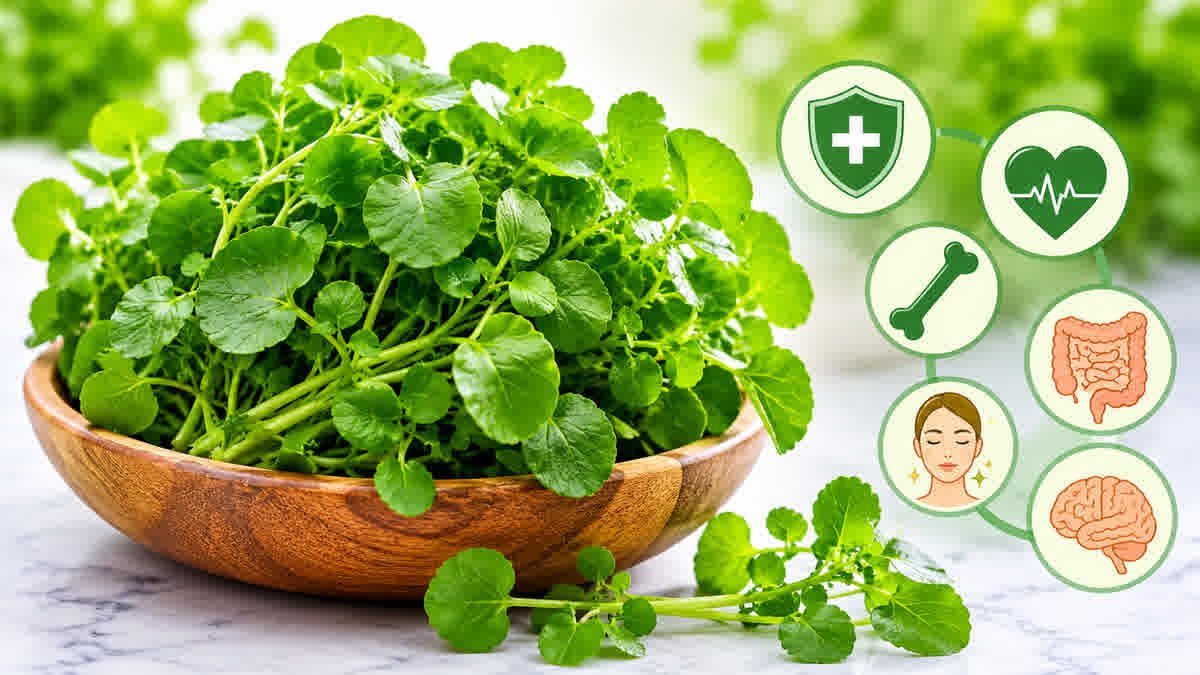

Watercress is a small, peppery leafy green that often gets overlooked in the produce aisle. It belongs to the Brassicaceae family, the same plant family as broccoli, cabbage, and kale, and it has been eaten in many food traditions for generations. If you have ever wondered whether watercress is good for you, the short answer is that it is a very nutrient-dense vegetable that fits well into a balanced diet.
Per calorie, watercress provides notable amounts of vitamin K, vitamin C, and vitamin A activity (from carotenoids such as beta-carotene), along with folate, calcium, potassium, and a range of plant compounds. In a CDC-published analysis of “powerhouse” fruits and vegetables, watercress earned the top nutrient-density score. That ranking reflects nutrient content, not proven disease prevention, so it is best read as a sign that watercress is a smart food to include more often.
In this guide, you will learn about watercress nutrition, 15 potential health benefits, easy ways to eat it, possible side effects, and how it compares with spinach. We also answer common questions about eating watercress every day. Throughout, we separate well-established nutrient functions from early research so you can make informed choices.
What Is Watercress?
Watercress (Nasturtium officinale) is a leafy aquatic or semi-aquatic plant that grows in clean, slow-moving water such as streams and spring-fed beds. It has small, round, dark green leaves, tender stems, and a mildly spicy, slightly bitter taste. That peppery bite comes from naturally occurring compounds also found in mustard and radishes.
As a member of the Brassicaceae family, watercress is a cruciferous vegetable. You can learn more about this group in our guide to cruciferous vegetables.
Watercress is commonly used in salads, soups, sandwiches, omelets, and smoothies. It has a long history in European, Asian, and Mediterranean cooking, where it has been used both as a fresh green and as a garnish. Today, it is widely sold in grocery stores, farmers markets, and specialty shops.
Watercress Nutrition Facts: What Nutrients Does It Contain?
Watercress is low in calories but rich in micronutrients. According to USDA FoodData Central, 100 grams (about 3 cups, chopped) of raw watercress provides roughly 11 calories, 2.3 grams of protein, and 0.5 grams of fiber. One cup of chopped raw watercress (about 34 grams) provides only around 4 calories.
Nutrient values vary slightly by growing conditions, season, and database. The figures below refer to raw watercress, per 100 grams, based on USDA data.
Vitamins in Watercress
Watercress vitamins are a major reason it is considered so nutritious. The key ones include:
- Vitamin K (about 250 micrograms): Needed for normal blood clotting and involved in bone metabolism. This is well above the daily adequate intake for adults, as described by the NIH Office of Dietary Supplements.
- Vitamin C (about 43 milligrams): Supports collagen formation, acts as an antioxidant, and contributes to normal immune function. See the NIH vitamin C fact sheet for details. For more sources, explore our list of vitamin C-rich foods.
- Vitamin A activity (about 160 micrograms RAE): Watercress provides carotenoids such as beta-carotene, which the body can convert into vitamin A.
- Folate (a small amount, about 9 micrograms): Supports DNA synthesis and normal cell division, according to the NIH folate fact sheet. Some databases report higher values, so check the serving size and source.
Minerals in Watercress
Watercress also provides several minerals in modest to meaningful amounts:
- Calcium (about 120 milligrams): Supports bones and teeth, along with muscle and nerve function.
- Potassium (about 330 milligrams): Helps regulate fluid balance, muscle function, and normal blood pressure.
- Magnesium (about 21 milligrams): Supports muscle and nerve function and energy metabolism.
- Iron (about 0.2 milligrams): Helps the body produce hemoglobin, although the amount in watercress is small.
Antioxidants and Plant Compounds
Watercress antioxidants include vitamin C, carotenoids (such as beta-carotene and lutein), and polyphenols. It also contains glucosinolates, sulfur-containing compounds found in cruciferous vegetables. When the plant is chopped or chewed, glucosinolates break down into other compounds, such as isothiocyanates, which researchers are studying for their biological activity.
For a broader look at these nutrients, see our guide to antioxidant-rich foods.
15 Best Health Benefits of Watercress
The benefits below are based on the known roles of watercress nutrients and on how vegetable-rich eating patterns relate to health. Most of these effects come from eating watercress as part of an overall balanced diet, not from watercress alone. Where research is early, we say so. For a wider view, see our overview of the benefits of leafy greens.
1. Supports Overall Immune Function
Vitamin C contributes to the normal function of immune cells and helps protect cells from oxidative damage. Watercress provides vitamin C, and eating it alongside other fruits and vegetables can help you meet daily needs. No single food prevents illness, but a nutrient-rich diet supports the body’s normal defenses.
2. Promotes Healthy Bones
Vitamin K plays a role in bone metabolism, and watercress is a rich source of it. It also contains calcium and some magnesium, which are part of bone structure. Watercress can complement a bone-supporting diet that includes enough protein, calcium, vitamin D, and regular physical activity. You can find more options in our list of calcium-rich foods.
3. Supports Heart Health
Watercress provides potassium, which helps regulate normal blood pressure, and it is naturally very low in sodium and saturated fat. Diets rich in vegetables are linked with better cardiovascular health in large observational studies, as summarized by the Harvard T.H. Chan School of Public Health. Watercress should be viewed as one part of a heart-healthy pattern, not as a way to prevent heart disease.
See our guide to the best vegetables for heart health.
4. Provides Powerful Antioxidants
Antioxidants are compounds that help neutralize unstable molecules called free radicals, which contribute to oxidative stress. Watercress contains vitamin C and carotenoids, among other plant compounds. Getting antioxidants from whole foods is generally preferred over relying on high-dose supplements.
5. Supports Healthy Skin
Your body needs vitamin C to make collagen, a protein that gives skin its structure. Carotenoids and vitamin C also act as antioxidants that help protect skin cells. Eating watercress can contribute to normal skin health as part of a varied diet, but evidence that it specifically improves skin conditions is limited.
6. May Support Eye Health
Watercress contains beta-carotene (a precursor of vitamin A) and lutein. Vitamin A is needed for normal vision, and lutein is found in the retina. Eating leafy greens may support long-term eye health, but watercress has not been shown to improve eyesight or treat eye conditions.
7. Supports Healthy Digestion
Watercress contains some dietary fiber and a lot of water, so it adds volume to meals without many calories. Fiber supports regular bowel movements, though watercress is not a high-fiber food by itself. It works best as part of a mix of vegetables, whole grains, and legumes. For more ideas, see our guide to high-fiber foods for digestive health.
8. May Support Healthy Blood Pressure
Potassium helps the body balance sodium and supports normal blood pressure. Eating potassium-rich vegetables, such as watercress, as part of an eating pattern like the DASH diet may help. Watercress is not a treatment for high blood pressure, and people with hypertension should follow their healthcare professional’s advice. You can browse more potassium-rich vegetables here.
9. Supports Healthy Aging
Older adults often benefit from nutrient-dense foods that provide vitamins and minerals without excess calories. Watercress fits that description. It cannot reverse aging, but vegetables like it can contribute to a diet that supports bone, heart, and overall health over time. See our article on vegetables and healthy aging.
10. May Support Normal Red Blood Cell Production
Folate and iron are both involved in making healthy red blood cells. Watercress provides small amounts of each, and its vitamin C may help the body absorb non-heme (plant-based) iron from foods eaten at the same meal. Watercress alone is not a treatment for anemia, which needs proper medical evaluation. Learn more about iron-rich foods.
11. May Support Metabolic Health
Low-calorie, nutrient-dense vegetables can make it easier to build meals that are filling and balanced. Overall dietary quality is linked with metabolic health, but there is no strong evidence that watercress itself lowers blood sugar or boosts metabolism. People managing diabetes can still include it as a non-starchy vegetable, as part of their individual meal plan.
12. Provides Nutrients That Support Brain Function
Folate and other B vitamins are needed for normal nervous system and cell function, and vitamin K is involved in some processes in the brain. Watercress contributes small amounts of these nutrients. There is not enough evidence to say that watercress improves memory or prevents cognitive decline.
13. May Support a Healthy Weight
Watercress is very low in calories, and it adds flavor and texture to salads, sandwiches, and soups. Filling more of your plate with vegetables can help create balanced meals that support weight goals. It is not a weight-loss food on its own. For broader guidance, read our overview of weight management.
14. Contains Plant Compounds Being Studied for Cancer-Related Effects
Watercress is a source of glucosinolates, which break down into compounds such as isothiocyanates. Laboratory and animal studies suggest these compounds may affect pathways related to cancer development, and some small human studies have explored watercress specifically. However, the National Cancer Institute notes that human studies of cruciferous vegetables and cancer risk have produced mixed results. Eating watercress has not been established as a way to prevent or treat cancer.
15. Contributes to Overall Nutritional Health
Watercress combines vitamins, minerals, antioxidants, and a little fiber in a very low-calorie package. Its greatest value lies in what it adds to the overall diet. Rotating different leafy greens, such as watercress, spinach, kale, and arugula, provides a wider range of nutrients than relying on any single vegetable.
How to Eat Watercress: Easy Ways to Add It to Your Diet
Watercress is easy to use, and a little goes a long way because of its peppery flavor. Wash it thoroughly under clean running water before eating, and see our guide on how to wash and store vegetables for tips. For more ideas on adding greens to your meals, visit our article on how to eat more vegetables.
Eat Watercress Raw
Raw watercress keeps its crisp texture and heat-sensitive vitamin C. Add fresh leaves to salads, or tuck them into sandwiches and wraps. It pairs well with cucumber, tomatoes, avocado, citrus, and other leafy vegetables.
Add Watercress to Cooked Meals
Watercress wilts quickly, so add it near the end of cooking. Stir it into vegetable soups just before serving, fold it into omelets, or place it over warm grains and roasted vegetables.
Make Watercress Smoothies
A small handful of watercress can be blended with fruits such as banana, pineapple, apple, or mango, plus water or unsweetened milk. The sweeter ingredients help balance the peppery taste. Start with a small amount and increase it to taste.
What Are the Possible Side Effects of Watercress?
Watercress is generally safe as a food for most people. A few precautions are worth knowing, especially if you take certain medications or have specific health conditions.
Possible Digestive Discomfort
Eating large amounts of leafy vegetables, especially if you are not used to them, can cause gas, bloating, or an upset stomach in some people. Tolerance varies from person to person. Increasing your intake gradually can help.
Vitamin K and Blood-Thinning Medications
Watercress is very high in vitamin K, which affects blood clotting. People who take warfarin (Coumadin) are generally advised to keep their vitamin K intake consistent from day to day rather than avoid vitamin K foods entirely, according to the NIH Office of Dietary Supplements. Talk with your healthcare professional before making major changes to the amount of watercress or other leafy greens you eat.
Food Safety and Contamination
Because watercress grows in water, wild watercress harvested from unsafe waterways may carry harmful bacteria or parasites. One example is the liver fluke Fasciola hepatica, described by the CDC, which can be linked to eating raw aquatic plants from contaminated sources. Buy watercress from reliable food sources, avoid foraging it from unknown streams, wash it thoroughly, and store it in the refrigerator.
You can review general guidance from the CDC’s food safety resources.
Allergic Reactions
Allergic reactions to watercress are uncommon but possible, particularly in people who are sensitive to other plants in the mustard family. Stop eating it if you notice itching, hives, or swelling. Seek emergency care right away for signs of a serious reaction, such as trouble breathing, swelling of the face or throat, or dizziness.
How Much Watercress Should You Eat Daily?
There is no universally established daily dose of watercress. Instead, it can count toward your overall vegetable intake. The Dietary Guidelines for Americans suggest that most adults eat about 2 to 4 cups of vegetables per day, depending on age, sex, and activity level, and that includes dark green vegetables. Our guide on how many vegetables a day explains this in more detail.
A handful of watercress in a salad or sandwich is a practical portion for many people. A varied diet is better than relying heavily on one leafy green. If you take warfarin, keep your portions steady and consistent. Concentrated watercress supplements or very large amounts are not recommended as a treatment for any health condition.
Watercress vs. Spinach: Which Is Healthier?
Both watercress and spinach are nutritious leafy greens, but their nutritional profiles differ. Watercress is lower in calories and has more vitamin C by weight, while spinach is higher in vitamin K, vitamin A activity, folate, and iron, according to USDA data. Spinach also has a milder taste, which some people prefer.
For more detail, see our guide to the health benefits of spinach.
| Nutritional factor (raw, per 100 g) | Watercress | Spinach |
|---|---|---|
| Calories | About 11 kcal | About 23 kcal |
| Vitamin K | About 250 mcg (rich source) | About 483 mcg (rich source) |
| Vitamin C | About 43 mg | About 28 mg |
| Vitamin A activity | Contains carotenoids | Contains carotenoids (higher amount) |
| Folate | Small amount | Higher amount |
| Plant compounds | Glucosinolates and other compounds | Carotenoids and other compounds |
Key takeaway: Neither is universally healthier. Including both in a varied diet can give you a broader range of nutrients.
Frequently Asked Questions About Watercress
Is Watercress One of the Healthiest Vegetables?
Watercress is a nutrient-dense leafy green that provides vitamins, minerals, and plant compounds for very few calories. It ranked highest in a CDC analysis of powerhouse produce. However, no single vegetable provides every nutrient the body needs.
Can You Eat Watercress Every Day?
Most people can enjoy watercress regularly as part of a varied diet. People taking warfarin should keep their vitamin K intake consistent and talk with their healthcare professional about significant dietary changes.
Is Watercress Good for Your Liver?
Watercress contains nutrients and plant compounds that contribute to overall health. There is not enough clinical evidence to say that it detoxifies the liver or treats liver disease. Raw watercress from contaminated water can also carry liver fluke parasites, so source and washing matter.
Is Watercress Good for Weight Loss?
Watercress is low in calories and can be included in balanced meals that support healthy weight management. It does not cause weight loss on its own. Overall eating patterns, physical activity, and sleep matter more.
Is Watercress Better Raw or Cooked?
Both can be nutritious. Raw watercress retains more of its heat-sensitive vitamin C, while cooking softens its texture and mellows its flavor. Our guide to raw vs. cooked vegetables explains how preparation affects nutrients.
Can Watercress Help Prevent Cancer?
Watercress contains glucosinolates and other plant compounds being studied for potential biological effects, mostly in laboratory settings. Eating watercress has not been proven to prevent or treat cancer, according to the National Cancer Institute.
Final Thoughts
Watercress is a nutrient-dense leafy green that provides vitamins K and C, carotenoids, folate, and other helpful nutrients. As part of a balanced diet, it can contribute to bone health, normal immune function, and cardiovascular health. It is easy to add to salads, soups, sandwiches, and smoothies. Safe sourcing, thorough washing, and consistent vitamin K intake (if you take warfarin) are the main precautions.
Aim to enjoy a variety of leafy greens rather than relying on one.
Sources
- USDA FoodData Central: Watercress, raw (SR Legacy, FDC 170068)
- NIH Office of Dietary Supplements: Vitamin K Fact Sheet for Health Professionals
- NIH Office of Dietary Supplements: Vitamin C Fact Sheet for Health Professionals
- NIH Office of Dietary Supplements: Folate Fact Sheet for Health Professionals
- Harvard T.H. Chan School of Public Health, The Nutrition Source: Vegetables and Fruits
- National Cancer Institute: Cruciferous Vegetables and Cancer Prevention
- CDC, Preventing Chronic Disease: Defining Powerhouse Fruits and Vegetables
- CDC: Fascioliasis
- CDC: Food Safety
- Dietary Guidelines for Americans
Medical Disclaimer: This article is for general educational purposes only and is not medical advice. It does not diagnose, treat, or prevent any condition, and it cannot replace guidance from a doctor, registered dietitian, or other qualified healthcare professional. Talk with your healthcare provider before making major changes to your diet, especially if you take medications such as warfarin, have a medical condition, are pregnant, or are breastfeeding.
4 thoughts on “15 Best Health Benefits of Watercress: Nutrition, Uses, and Side Effects”
Comments are closed.