
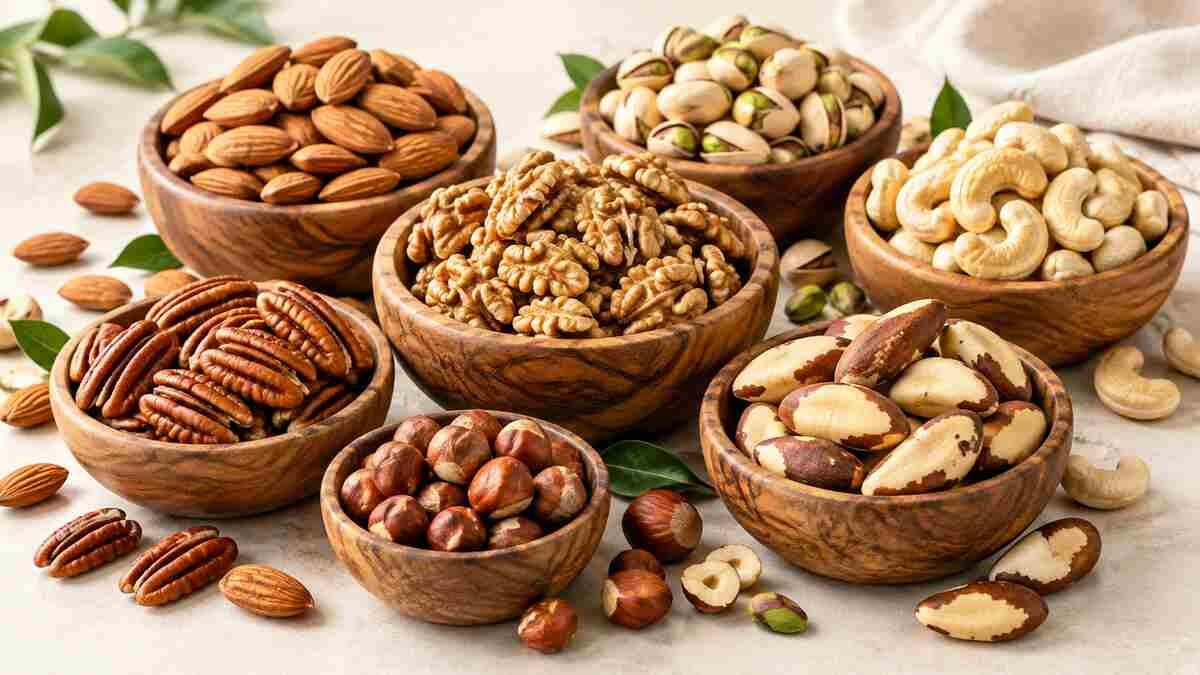

Nuts are small, convenient, and packed with nutrition. A single handful delivers unsaturated fats, plant-based protein, fiber, vitamins, and minerals in a form that needs no cooking or preparation. That is why nuts show up in nearly every major healthy eating pattern, from the Mediterranean diet to the guidance of the American Heart Association.
The health benefits of nuts go well beyond a tidy nutrient list. Research links regular nut intake with better cholesterol numbers, lower cardiovascular risk, improved fullness after meals, and a more nutritious diet overall. These findings come mostly from large observational studies and shorter controlled trials, so it helps to understand what the evidence does and does not show.
Many people still avoid nuts because of their fat and calorie content. It is true that nuts are energy-dense, but most of their fat is the unsaturated kind that supports heart health. This guide explains what makes nuts nutritious, how different varieties compare, how much to eat, and how to choose and enjoy them in everyday meals.
What Makes Nuts So Nutritious?
Nuts are best known for their fat, and that is a good thing. Most of the fat in nuts is monounsaturated or polyunsaturated, the types associated with healthier blood cholesterol when they replace saturated fat in the diet. Nuts also contain small amounts of saturated fat, but far less than many animal-based snacks.
Beyond fat, nuts provide plant-based protein and dietary fiber. A one-ounce serving typically supplies roughly 4 to 7 grams of protein and 1 to 4 grams of fiber, depending on the variety. You can compare exact values for each nut in the USDA FoodData Central database.
Nuts also contribute important micronutrients:
- Vitamin E: a fat-soluble antioxidant, especially abundant in almonds and hazelnuts.
- Magnesium: involved in muscle, nerve, and blood pressure regulation.
- Potassium: supports normal fluid balance and blood pressure.
- Folate: needed for cell growth and DNA production.
- Selenium: a trace mineral, found in particularly high amounts in Brazil nuts.
In addition, nuts contain polyphenols and other plant compounds that act as antioxidants. To learn more about these compounds, see our guide to antioxidant-rich foods.
Different nuts have different nutrient profiles, so no single variety covers every nutritional need. Peanuts deserve a quick note: they are botanically legumes, like beans and lentils, but they are nutritionally similar to tree nuts and are usually grouped with them in dietary guidance. Mayo Clinic includes peanuts among heart-healthy choices for this reason.
8 Science-Backed Health Benefits of Nuts
The benefits below vary in how strong the supporting evidence is. Some are supported by controlled trials and large reviews, while others are based on smaller or mixed studies.
1. Supports Heart Health
Replacing foods high in saturated fat with nuts may improve several cardiovascular risk factors. Large cohort studies, including a Harvard analysis published in the Journal of the American College of Cardiology, have linked regular nut intake with lower rates of cardiovascular disease and coronary heart disease.
2. May Help Manage Cholesterol
The unsaturated fats, fiber, and plant compounds in nuts may help lower LDL (“bad”) cholesterol and triglycerides. Mayo Clinic notes that nuts can lower unhealthy cholesterol levels as part of a balanced diet. To understand these numbers, read our explainer on LDL vs. HDL cholesterol.
3. Supports Brain Health
Nuts supply vitamin E, healthy fats, and other nutrients involved in normal brain function. Walnuts are often highlighted for their plant-based omega-3 fat, ALA. However, evidence that eating nuts prevents cognitive decline or dementia remains limited, so nuts are best viewed as one part of a brain-supportive diet.
4. Supports Digestive Health
The fiber in nuts adds bulk to stool and supports regular bowel movements. Fiber also feeds beneficial gut bacteria, which may influence the gut microbiome. For more fiber sources, see our list of high-fiber foods for digestive health.
5. May Support Weight Management
Because nuts combine fat, protein, and fiber, they tend to be filling. Mayo Clinic notes that this combination may help with weight management. Portion size still matters, since nuts are calorie-dense, as discussed in our guide to weight management.
6. May Help Support Blood Sugar Regulation
Fiber, fat, and protein can slow digestion and may moderate blood sugar responses after meals. Research suggests potential benefits for some glycemic markers, but results vary between studies. People with diabetes should discuss nuts with their care team, and may also find our best vegetables for diabetes guide helpful.
7. Provides Antioxidant Protection
Vitamin E and polyphenols help neutralize unstable molecules called free radicals in the body. Antioxidants from whole foods are generally considered more reliable than isolated supplements. Our article on antioxidants and your health covers this in more detail.
8. Supports Overall Nutritional Health
Nuts add minerals such as magnesium, copper, and manganese to everyday eating. They are an easy way to bring more nutrients into a day without much preparation. See our overview of nutrient-dense foods for more ideas.
Types of Nuts and Their Unique Health Benefits
No single nut is universally the healthiest. Each variety has its own strengths, and eating a mix is a practical way to cover more nutrients. Here is how the most common options compare.
| Nut | Standout nutrients | Approx. calories per 1 oz (28 g) |
|---|---|---|
| Almonds | Vitamin E, fiber, magnesium | 160 to 165 |
| Walnuts | Plant-based omega-3 (ALA), polyphenols | 185 |
| Pistachios | Protein, fiber, potassium | 160 |
| Cashews | Magnesium, copper | 155 to 165 |
| Brazil nuts | Selenium | 185 to 190 |
| Pecans | Unsaturated fats, antioxidant compounds | 195 to 200 |
| Hazelnuts | Vitamin E, manganese | 180 |
| Peanuts (legume) | Protein, folate, niacin | 160 to 165 |
Values are approximate and vary by preparation. Check the USDA FoodData Central database for exact figures.
Almonds are a leading source of vitamin E and also provide fiber and magnesium. Learn more in our guide to the health benefits of almonds.
Walnuts stand out for ALA, a plant-based omega-3 fatty acid, along with polyphenols. Mayo Clinic specifically notes that walnuts contain high amounts of omega-3s. Our overview of omega-3 fatty acids explains how plant and marine sources differ.
Pistachios offer protein, fiber, and potassium, plus antioxidant pigments.
Cashews provide magnesium and copper, along with mostly unsaturated fats.
Brazil nuts are exceptionally rich in selenium. This is useful in small amounts but potentially harmful in excess (see the safety section below).
Pecans provide unsaturated fats, fiber, and antioxidant compounds.
Hazelnuts contribute vitamin E, healthy fats, and manganese.
Peanuts provide protein, folate, and niacin, even though they are legumes. You can read more about related foods in our guide to the health benefits of legumes.
Nuts and Heart Health: What Research Reveals
Heart health is where the evidence for nuts is strongest. A systematic review and dose-response meta-analysis in the Archives of Cardiovascular Diseases pooled 63 prospective cohort studies in adults. It found that the highest nut intake, compared with the lowest, was associated with a lower risk of coronary heart disease, stroke, cardiovascular disease, and all-cause mortality.
An umbrella review of 89 articles in Advances in Nutrition reached a similar conclusion. It reported moderate-quality evidence linking nut intake to reduced cardiovascular disease risk and improved risk factors, while noting that associations with diabetes incidence were mixed.
It is important to read these results carefully. Most of the large studies are observational, which means they show associations, not proof that nuts prevent disease. People who eat nuts regularly may also exercise more, smoke less, and eat more fruits and vegetables. Researchers adjust for these factors, but they cannot remove every possible influence.
Controlled trials add helpful support. They show that nuts can improve cholesterol markers, especially when they replace foods rich in saturated fat. The swap is a key point: nuts work best when they replace chips, pastries, or processed meats, not when they are simply added on top of an unchanged diet.
Nuts also fit naturally into a Mediterranean-style eating pattern and other heart-healthy foods. For a broader view, see our guide on how to prevent heart disease. The Harvard T.H. Chan School of Public Health also offers an accessible overview of the research.
How Many Nuts Should You Eat Per Day?
A commonly used serving is about 1 ounce (28 grams) of nuts, roughly a small handful. The American Heart Association recommends including unsalted nuts several times per week as part of a heart-healthy diet, and Mayo Clinic suggests about 4 to 6 servings per week for adults. The 2022 umbrella review described above supports a handful per day for people without nut allergies.
Because nuts are calorie-dense, moderation matters. A one-ounce serving contains roughly 160 to 200 calories. Eating several large handfuls on top of your usual meals can add up quickly.
For a visual guide, one ounce is about:
- 23 almonds
- 14 walnut halves
- 49 shelled pistachios
- 18 cashews
To keep calories in check, use nuts as a replacement for less nutritious foods. Add them to meals instead of extras. Individual needs vary with age, energy needs, medical conditions, and dietary restrictions, so a registered dietitian can help personalize your target.
Healthy Ways to Include Nuts in Your Daily Diet
Nuts are versatile, and small additions can make meals more satisfying. Here are practical ideas for everyday eating:
- Stir almonds or walnuts into oatmeal or breakfast bowls.
- Sprinkle chopped nuts over salads for crunch.
- Pair unsalted nuts with fresh fruit for a balanced snack.
- Spread natural peanut or almond butter on whole-grain toast.
- Add crushed cashews to vegetable stir-fries.
- Top plain yogurt with pistachios.
You can find more everyday ideas in our guides to eating more vegetables and healthy habits.
Whole nuts, nut butters, and nut-based products are not identical. Whole nuts and simple nut butters provide similar nutrients, but many commercial spreads and snack products add sugar, salt, or oils. Check the ingredient list and look for products made with just nuts, and perhaps a pinch of salt.
Harvard researchers noted in their analysis that peanut butter did not show the same clear association with heart benefits as whole nuts. This does not mean peanut butter is harmful. One possible explanation is that it is often eaten with refined foods, such as white bread or sugary spreads.
Raw vs. Roasted vs. Salted Nuts: Which Is Healthier?
Raw and dry-roasted nuts are both nutritious choices. Dry roasting adds flavor and crunch without added oil, though heat may slightly reduce some heat-sensitive nutrients and antioxidants. The differences are generally small compared with the benefit of simply eating nuts.
The bigger concern is what is added. Heavily salted nuts can contribute a meaningful amount of sodium, which matters for blood pressure. Honey-roasted, candied, chocolate-coated, and heavily seasoned nuts often contain added sugars and other ingredients. Mayo Clinic notes that adding salt or sugar to nuts may cancel out some of their heart-healthy benefits.
For everyday eating, plain raw or dry-roasted nuts with little or no added salt are the most practical choices. If you want more flavor, season them yourself with spices such as cinnamon or smoked paprika.
Because nuts contain natural oils, they can turn rancid over time. Store them in an airtight container in a cool, dark place, and keep larger quantities in the refrigerator or freezer. Discard nuts that smell sharp, bitter, or paint-like.
Possible Side Effects and Who Should Be Careful
For most people, nuts are safe and nutritious. However, a few situations call for caution.
Allergies. Tree nut and peanut allergies are common and can cause severe, life-threatening reactions. Anyone with a known or suspected allergy should avoid the triggering nut and speak with an allergist about a safety plan.
Digestive discomfort. Eating a large amount of nuts, especially if you are not used to the fiber, may cause bloating, gas, or stomach upset. Increasing portions gradually can help.
Calorie density. Large servings can contribute to unintended weight gain if they are added on top of your usual intake.
Brazil nuts and selenium. Selenium is essential, but too much can be harmful. A single Brazil nut may provide roughly 60 to 90 micrograms, and the National Institutes of Health lists 400 micrograms per day as the upper limit for adults. Enjoying one or two Brazil nuts occasionally is generally considered reasonable, but eating them daily in large amounts is not advised.
Choking risk. Whole nuts are a choking hazard for young children. Serving recommendations for kids vary by age, so ask your child’s pediatrician what is appropriate.
People with allergies, swallowing difficulties, or medical conditions that affect their diet should seek advice from a healthcare professional.
Conclusion: Make Nuts Part of a Balanced Diet
Nuts offer a rare combination of unsaturated fats, plant-based protein, fiber, vitamins, minerals, and antioxidants. Regular intake is associated with better cardiovascular outcomes and healthier cholesterol, and nuts may also support digestion, fullness, and overall diet quality. The evidence is strongest for heart health, and more limited for brain health and blood sugar.
The most practical approach is variety and balance. Rotate almonds, walnuts, pistachios, and other options, keep portions around one ounce, and choose unsalted or lightly salted types. A simple first step is to swap one processed snack each day for a small handful of nuts.
For more ideas, explore our guides to healthy fats and what a healthy diet looks like.
Frequently Asked Questions
What are the healthiest nuts to eat?
No single nut is the healthiest, because each offers a different nutrient mix. Walnuts provide plant-based omega-3s, almonds are rich in vitamin E, and pistachios offer protein and fiber. Eating a variety is a practical way to benefit from all of them, according to Mayo Clinic.
Is it healthy to eat nuts every day?
For most people without nut allergies, a small daily handful is considered a healthy habit. Reviews of the research support about a handful per day as part of a balanced diet. Keep portions moderate because nuts are calorie-dense.
How many nuts should I eat daily?
About 1 ounce (28 grams), or a small handful, is a commonly used serving. The American Heart Association recommends unsalted nuts several times a week. Your ideal amount depends on your calorie needs and health conditions.
Which nuts are best for heart health?
Walnuts, almonds, hazelnuts, pecans, and peanuts are all considered heart healthy by Mayo Clinic. Walnuts are especially notable for their omega-3 content. Studies have found benefits across several types, so variety is a sensible approach.
Are nuts good for weight management?
Nuts may help you feel full because of their protein, fiber, and fat. They are also calorie-dense, so portion size matters. They tend to work best when they replace less nutritious snacks.
Are raw nuts healthier than roasted nuts?
Both are good choices. Dry-roasted nuts may lose a small amount of heat-sensitive nutrients, but the difference is minor. What matters more is avoiding added salt, sugar, and coatings.
Can eating too many nuts cause problems?
Yes. Large portions can add excess calories and may cause bloating or digestive upset. Eating too many Brazil nuts can lead to excess selenium, so keep those to an occasional one or two.
Sources
- Mayo Clinic. Nuts and your heart: Eating nuts for heart health.
- American Heart Association. Go nuts (but just a little!).
- Harvard T.H. Chan School of Public Health. Nuts for the heart.
- Liu M, et al. Nut consumption and risk of cardiovascular disease events and all-cause mortality: a systematic review and dose-response meta-analysis of prospective cohort studies. Archives of Cardiovascular Diseases.
- Balakrishna R, et al. Consumption of nuts and seeds and health outcomes including cardiovascular disease, diabetes and metabolic disease, cancer, and mortality: an umbrella review. Advances in Nutrition. 2022.
- Guasch-Ferré M, et al. Nut consumption and risk of cardiovascular disease. Journal of the American College of Cardiology. 2017;70(20).
- National Institutes of Health, Office of Dietary Supplements. Selenium fact sheet for health professionals.
- U.S. Department of Agriculture. FoodData Central.
Medical Disclaimer: This article is for general educational purposes only and does not replace professional medical advice, diagnosis, or treatment. Nutrition needs vary from person to person. Talk with your doctor or a registered dietitian before making major changes to your diet, especially if you have a food allergy, a chronic condition, or take medication. If you think you are having a medical emergency, call your local emergency number right away.
6 thoughts on “Health Benefits of Nuts: 8 Reasons to Eat Them Regularly”
Comments are closed.