
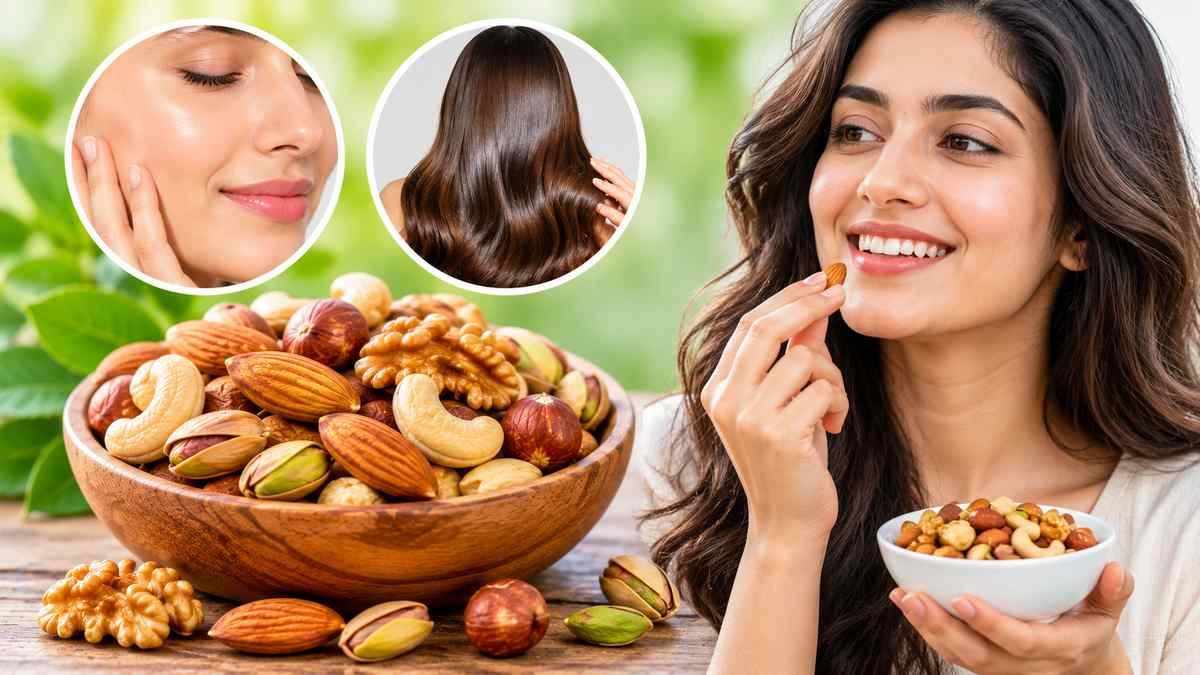

Food-first approaches to healthy skin and hair are more popular than ever, and nuts often top the list. They are rich in healthy fats, vitamins, minerals, and plant protein, which are nutrients the body uses every day. Almonds, walnuts, pistachios, cashews, and Brazil nuts are common examples, and each offers a slightly different mix.
So are nuts good for skin and hair? They can support skin and hair health as part of a balanced diet, because they provide nutrients involved in normal skin maintenance and hair growth. But eating nuts will not automatically make your skin glow or your hair grow faster. The benefits depend on your overall nutrition, your health, and your individual needs.
This guide explains which nutrients in nuts matter, which nuts supply them, and what the research does and does not show. You will also find serving tips, easy ways to eat more nuts, and important precautions, including a warning about Brazil nuts. The goal is a realistic picture of nuts, skin, and hair health, without beauty-food hype.
Are Nuts Good for Skin and Hair?
Your skin and hair are living tissues, so they depend on the nutrients you eat. Dietary fats help maintain normal skin function. Protein supplies the building blocks for skin and for hair, which is made mostly of a protein called keratin. Antioxidants help protect cells from oxidative damage, and minerals such as zinc and selenium support many normal body processes.
Nuts contain all of these in different amounts. That makes them a useful food to include, especially when they replace less nutritious snacks. Eating a variety of nutrient-rich foods matters more than relying on any single one.
There is an important difference between a nutrient having a biological role and research proving that a particular nut produces a visible cosmetic result. Severe nutrient deficiencies can affect skin and hair, as a review of micronutrient deficiencies describes. But for people who already get enough, extra nutrients do not necessarily provide extra benefit. Skin and hair also depend on genetics, hormones, sun exposure, skincare, medications, and overall health.
Nutrients in Nuts That Support Skin and Hair Health
Vitamin E for Antioxidant Protection
Vitamin E is a fat-soluble antioxidant that helps protect cells from oxidative damage. The NIH vitamin E fact sheet lists nuts and seeds among the main food sources. Almonds and hazelnuts are especially useful. Our guide to the health benefits of hazelnuts covers their vitamin E content in more detail.
Vitamin E from food supports normal cell health. That does not mean it removes wrinkles or reverses skin aging, and no nut can do that.
Healthy Fats for Skin Function
Fat is part of a balanced diet, and the unsaturated fats in many nuts support overall nutrition. Walnuts also provide alpha-linolenic acid (ALA), a plant-based omega-3 fatty acid. See our guides to healthy fats and omega-3 fatty acids for background.
ALA is not identical to the omega-3 fats found in fish, because the body converts only a small share of ALA into the longer-chain forms. Walnuts are a helpful addition, but they are not a substitute for fish in the diet.
Zinc for Normal Skin and Hair Functions
Zinc plays a role in cell growth, protein synthesis, and tissue maintenance. According to the NIH zinc fact sheet, nuts and beans contain some zinc, and severe deficiency can cause hair loss and skin problems. Cashews, almonds, and peanuts are among the nut sources.
Correcting a true deficiency can matter. But taking extra zinc when you are not deficient does not automatically improve hair growth, and very high supplemental doses can interfere with other nutrients, such as copper.
Selenium and Its Antioxidant Role
Selenium supports antioxidant enzymes in the body. Brazil nuts are a particularly concentrated source, which is also why they carry a warning. The NIH selenium fact sheet notes that a single Brazil nut can contain roughly 68 to 91 micrograms, and that eating too many can push intake past the upper limit. You can also read the MedlinePlus overview of selenium in the diet.
Protein and Biotin
Hair is made primarily of keratin, and getting enough protein supports normal hair growth. Nuts provide plant protein, although they should not be your only protein source. Our guide to high-protein foods lists other options.
Biotin (vitamin B7) helps the body metabolize nutrients, and nuts contain small amounts. A true biotin deficiency can cause hair thinning and rashes, but the NIH biotin fact sheet says there is little scientific evidence that biotin supplements improve hair, skin, or nails in people who are not deficient. Getting nutrients from food is the safer place to start.
7 Best Nuts for Skin and Hair Health
Each nut below supplies nutrients involved in normal skin and hair function. They are not ranked by proven beauty or hair-growth effects, because that research does not exist. Think of them as ways to add variety.
1. Almonds
Almonds are rich in vitamin E and unsaturated fats, and they also provide plant protein and some zinc. They are an easy way to add antioxidant nutrients to your diet. These nutrients support normal skin function, but almonds do not prevent skin aging. Learn more in our almond health benefits guide.
2. Walnuts
Walnuts provide ALA omega-3 fatty acids, polyunsaturated fats, and plant compounds. They fit well into a heart-healthy, balanced eating pattern. Evidence that walnuts directly improve hair growth or skin appearance is limited. See our article on the benefits of eating walnuts every day.
3. Cashews
Cashews supply zinc, copper, and healthy fats. Zinc supports normal cell function, and copper contributes to connective tissue formation, as described in the NIH copper fact sheet. Cashews work best as one part of a varied, nutrient-rich diet. Read more about the health benefits of cashews.
4. Brazil Nuts
Brazil nuts are exceptionally rich in selenium, which supports antioxidant enzymes. Selenium content varies a lot from nut to nut, and too much can be harmful. Frequent large portions are not advisable, so treat Brazil nuts as an occasional food, not a daily handful.
5. Pistachios
Pistachios provide protein, vitamin E, and other micronutrients. They add variety to your overall diet. Choose unsalted or lightly salted options when you can, and see our guide to the health benefits of pistachios.
6. Hazelnuts
Hazelnuts provide vitamin E, healthy fats, and manganese. Their antioxidant nutrients make them a good fit for a balanced eating pattern, though they are no more of a beauty food than any other nut.
7. Peanuts
Peanuts are botanically legumes, but people usually group them with nuts when talking about food. They provide plant protein, niacin, and small amounts of biotin. Choose unsalted peanuts or natural peanut butter without a lot of added sugar. See our article on the health benefits of peanuts.
Nutrient Comparison Table
| Nut | Notable nutrients | Main nutritional contribution |
|---|---|---|
| Almonds | Vitamin E, protein | Antioxidant nutrition |
| Walnuts | ALA omega-3, polyunsaturated fats | Healthy fat intake |
| Cashews | Zinc, copper | Mineral intake |
| Brazil nuts | Selenium | Antioxidant enzyme function |
| Pistachios | Protein, vitamin E | Nutrient variety |
| Hazelnuts | Vitamin E, manganese | Antioxidant nutrition |
| Peanuts | Protein, niacin, biotin | Protein and B-vitamin intake |
This table describes nutrient contributions. It does not rank nuts by proven effects on skin or hair. For exact values, check USDA FoodData Central.
How Nuts May Support Skin Health
Supporting Normal Skin Barrier Function
Adequate dietary fat is part of normal skin function. Skin barrier health also depends on many other things, including skincare habits, climate, and overall health. If you struggle with dry skin, our guide to dry skin covers causes and care beyond diet.
Providing Antioxidants
Vitamin E helps protect cells from oxidative damage, and almonds and hazelnuts are useful sources. Our guide to antioxidants and your health explains the difference between antioxidant-rich foods and high-dose supplements.
Supporting Normal Skin Maintenance
Zinc, protein, and other nutrients are involved in normal cell function and tissue maintenance. This is a supporting role. Nuts are not treatments for acne, eczema, or other skin conditions. The NCCIH notes that people often turn to vitamins and minerals for skin conditions, and the American Academy of Dermatology cautions that beauty supplements may not do what they claim and can interact with medicines. If you have a skin condition, see a qualified healthcare professional.
How Nuts May Support Hair Health
Hair is made mainly of keratin, a protein, so adequate protein intake supports normal hair growth. Zinc and selenium contribute to normal functions in healthy tissues, vitamin E plays an antioxidant role, and walnuts add plant-based ALA fats. A balanced diet helps prevent the nutritional gaps that can affect hair.
A review of diet and hair loss in the medical literature discusses how nutrient deficiencies and supplement use relate to hair loss, and why supplementing without a confirmed need is not well supported.
Nuts do not reverse baldness, cure hair loss, or make hair grow faster. Hair loss has many causes, including genetics, hormonal changes, illness, medications, stress, and nutritional deficiencies such as low iron. If you want to learn more, see our guides on hair loss and iron-rich foods.
How Many Nuts Should You Eat for Skin and Hair Health?
A small handful, about 28 to 30 grams, is a convenient portion for many adults. Calorie needs vary, so the right amount for you depends on your size, activity level, and the rest of your diet. Our guide to how many nuts you should eat every day can help you plan.
Variety is better than eating only one type. Choose unsalted, minimally processed nuts when possible. Be careful with Brazil nuts, since their high selenium content means large amounts are not advisable. The NIH sets an upper limit for selenium for adults, and a few Brazil nuts can approach it.
Best Ways to Add Nuts to Your Diet
- Add almonds or walnuts to oatmeal.
- Mix pistachios and cashews into plain yogurt.
- Add chopped nuts to fruit bowls.
- Spread natural peanut butter on whole-grain toast.
- Sprinkle crushed hazelnuts over breakfast.
- Combine nuts with vegetables, fruit, whole grains, and other protein sources.
Nuts also work well as a snack around workouts, as covered in our guide to nuts for energy before and after exercise. To see how nuts fit into a broader pattern, read about nuts and brain health and what a balanced diet looks like. Pairing nuts with produce also helps, so see how many vegetables you should eat a day and whether frozen vegetables are healthy.
Precautions and Possible Side Effects
- Allergies: Tree nuts and peanuts can cause serious allergic reactions, including anaphylaxis. People with known allergies should avoid the relevant nuts. The FDA’s food allergy information explains that tree nuts and peanuts must be declared on packaged food labels.
- Calories: Large portions add substantial calories, so measure a handful instead of eating from the bag.
- Salt and sugar: Salted and sugar-coated nuts can increase sodium or added sugar intake. Check the label.
- Brazil nuts: Eating too many can lead to excess selenium. Avoid large or frequent servings.
- Supplements: High-dose supplements should not be taken without medical advice, since too much of some nutrients can cause harm, including hair loss.
- Hair loss that is unexplained or persistent: See a qualified healthcare professional instead of guessing at a nutritional cause.
Frequently Asked Questions
Which nut is best for skin health?
Almonds and hazelnuts are useful sources of vitamin E, which has an antioxidant role (NIH). However, no single nut guarantees better skin.
Which nuts are best for hair growth?
Walnuts, almonds, cashews, and peanuts provide nutrients involved in normal body functions, such as protein, zinc, and healthy fats. No nut has been proven to stimulate hair growth in everyone.
Can eating nuts make your skin glow?
Nuts can contribute healthy fats and antioxidants to a balanced diet. Glowing skin, however, depends on many factors, including genetics, skincare, sleep, hydration, sun protection, and overall health.
Do walnuts help with hair health?
Walnuts provide ALA omega-3 fatty acids and other nutrients that fit into a balanced diet. Direct evidence that walnuts improve hair growth is limited.
How many nuts should I eat daily?
A small handful of mixed nuts, around 28 to 30 grams, is a practical portion for many adults. Individual needs vary, so talk with a registered dietitian if you are unsure.
Can eating too many Brazil nuts be harmful?
Yes. Brazil nuts contain very high and variable amounts of selenium, and excessive intake can cause selenium toxicity (NIH).
Conclusion
Nuts can support skin and hair health by providing vitamin E, healthy fats, protein, zinc, selenium, and other nutrients as part of a balanced diet. Almonds, walnuts, cashews, pistachios, hazelnuts, peanuts, and Brazil nuts each add something slightly different, which is why variety works well.
No single nut can guarantee glowing skin or faster hair growth, and nuts are not treatments for skin conditions or hair loss. Enjoy a small handful of unsalted nuts, pair them with fruits, vegetables, and whole grains, and see a healthcare professional if you have concerns about your skin or hair.
Sources
- American Academy of Dermatology: Should I take vitamins or supplements for my skin?
- NCCIH: What You Need To Know About Complementary Health Approaches for Skin Conditions
- DiBaise M, Tarleton SM. Hair, Nails, and Skin: Differentiating Cutaneous Manifestations of Micronutrient Deficiency. Nutrition in Clinical Practice. 2019
- Guo EL, Katta R. Diet and hair loss: effects of nutrient deficiency and supplement use. Dermatology Practical & Conceptual. 2017
- NIH Office of Dietary Supplements: Biotin fact sheet for consumers
- NIH Office of Dietary Supplements: Zinc fact sheet for consumers
- NIH Office of Dietary Supplements: Selenium fact sheet for consumers
- NIH Office of Dietary Supplements: Vitamin E
- NIH Office of Dietary Supplements: Copper
- MedlinePlus: Selenium in diet
- USDA FoodData Central
- FDA: Food Allergies
Medical Disclaimer: This article is for educational purposes only and is not a substitute for professional medical advice, diagnosis, or treatment. Eating nuts has not been proven to treat skin conditions, prevent skin aging, or stop or reverse hair loss. Talk with a doctor, dermatologist, or registered dietitian about skin or hair concerns, especially if hair loss is sudden or persistent, or before taking supplements.
1 thought on “Are Nuts Good for Skin and Hair? Benefits and Best Choices”
Comments are closed.