
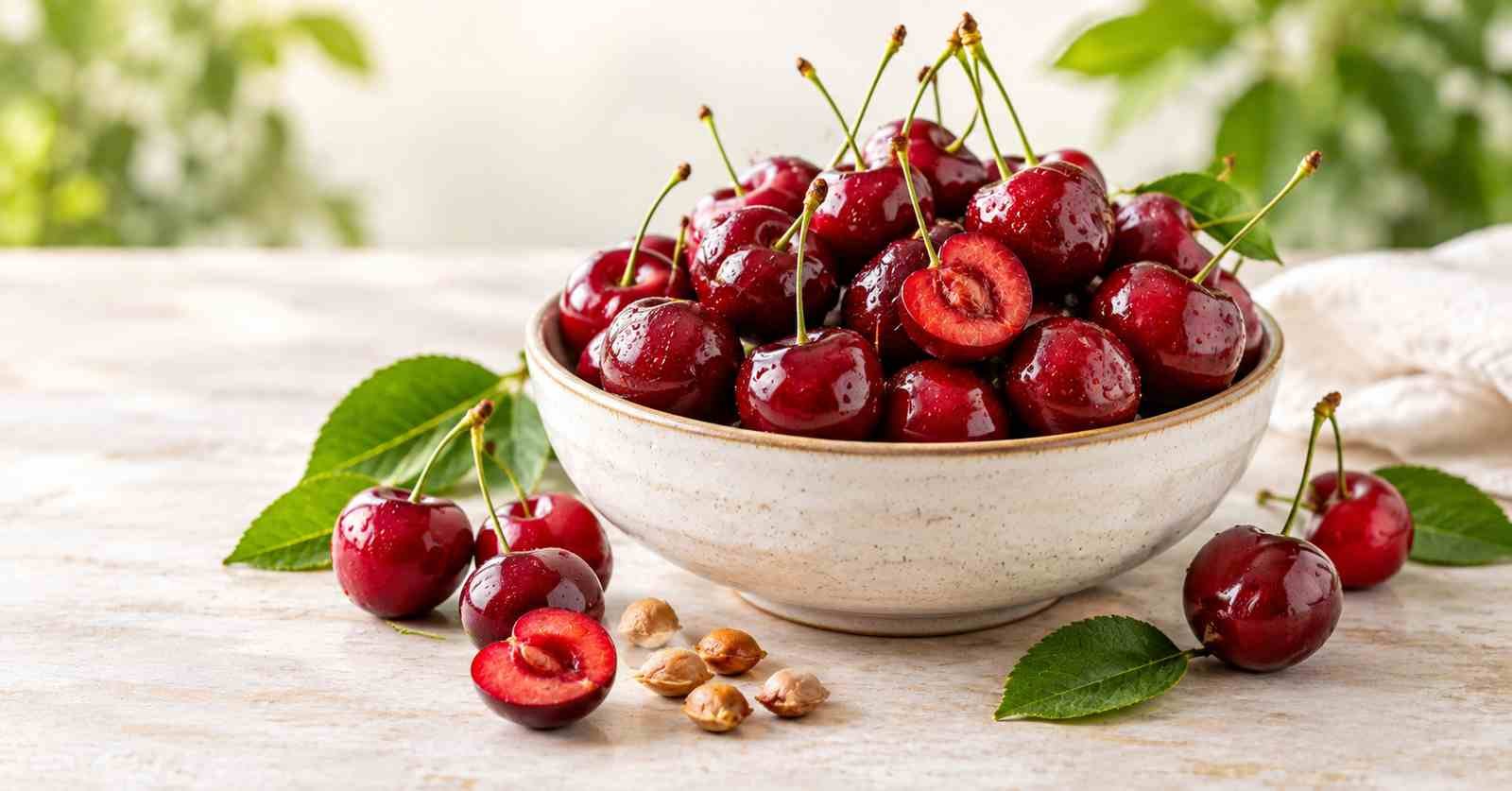

Are cherries healthy? In general, yes. Cherries are a nutrient-rich fruit that provides fiber, vitamin C, potassium, and plant compounds called anthocyanins. They also fit easily into a varied, plant-rich eating pattern, which is the foundation of most evidence-based dietary advice.
Researchers have studied both sweet and tart cherries for possible effects on inflammation, oxidative stress, blood pressure, exercise recovery, and sleep. A 2018 review in the journal Nutrients, which examined 29 human studies, summarized results across these areas. The findings are interesting, but they are not equally strong for every outcome.
Evidence also varies by cherry type and by the form people consumed. Many studies used tart cherry juice or concentrate rather than a handful of fresh fruit. This guide explains what cherries offer nutritionally, what the research does and does not show, and how to enjoy them as part of a balanced diet. Cherries are a healthy food, but they are not a treatment or cure for any condition.
Cherries Nutrition at a Glance
Cherries are a low-calorie fruit that supplies several nutrients and plant compounds. The 2018 review describes the cherry as a nutrient-dense fruit with fiber, polyphenols, carotenoids, vitamin C, and potassium. For exact values per serving, the USDA’s FoodData Central database lists the nutrient content of fresh, frozen, canned, and dried cherries. If you want help reading labels, see our guide to nutrition facts.
| Nutrient / Compound | Why It Matters |
|---|---|
| Vitamin C | Supports immune function and antioxidant activity |
| Potassium | Important for normal nerve, muscle, and fluid balance |
| Fiber | Supports digestive health and fullness |
| Anthocyanins | Plant pigments with antioxidant and biological activity |
| Polyphenols | Plant compounds being studied for their potential health effects |
| Carbohydrates | Provide naturally occurring energy from fruit |
The NIH Office of Dietary Supplements explains the roles of vitamin C and potassium in the body in more detail.
Keep in mind that nutrient content is not identical in every cherry. Sweet versus tart type, variety, ripeness, storage, and processing can all change the amounts of nutrients and bioactive compounds. Frozen, canned, dried, and juiced cherries may also differ from fresh fruit.
7 Potential Health Benefits of Cherries
1. Cherries Provide Antioxidant-Rich Plant Compounds
Cherries get their deep red to dark purple color from anthocyanins, a group of pigments in the polyphenol family. They also contain other polyphenols and vitamin C. Together, these compounds are classified as antioxidants because they can neutralize reactive molecules in laboratory settings.
Researchers have looked at whether eating cherries changes markers of oxidative stress in people. The 2018 Nutrients review grouped human cherry studies by outcome, including oxidative stress, and found encouraging results in some trials. However, the findings do not show that cherries “detox” the body, and our bodies already have their own systems for managing waste and oxidative balance.
It also helps to separate antioxidants in whole foods from antioxidant supplements. The NIH’s National Center for Complementary and Integrative Health notes that research on antioxidant supplements has not consistently shown clear health benefits, while foods deliver many compounds together, along with fiber, water, and other nutrients. To learn more, see our explainer on what antioxidants are and our list of other antioxidant-rich foods.
2. Cherries May Help Support a Healthy Inflammatory Response
Some human studies have found lower levels of inflammatory markers after people ate or drank cherry products. One example is C-reactive protein, a blood marker that rises with inflammation. The Nutrients review summarized these trials, noting that results differed by study design and by cherry product.
There are important caveats. According to a summary of the review, most included studies lasted less than two weeks, and participants consumed the equivalent of dozens of cherries per day. A change in a blood marker also does not prove that someone feels better or has a lower risk of disease.
For that reason, it is more accurate to say cherries may help support a healthy inflammatory response than to say they treat inflammation. Cherries are not a treatment for arthritis, gout, or any other chronic inflammatory condition. If you are managing one of these, talk with your clinician before changing your treatment plan.
Cherries fit best as one part of an overall anti-inflammatory eating pattern. Our guide to anti-inflammatory foods and our overview of the Mediterranean diet describe what that pattern looks like in practice.
3. Cherries May Support Heart Health
Cherries provide potassium, a mineral the NIH Office of Dietary Supplements describes as important for normal body function, including nerve signaling and muscle contraction, and one that is studied in relation to blood pressure. They also contain polyphenols and anthocyanins, which researchers are investigating for possible effects on blood vessels.
Some human trials have reported lower blood pressure after cherry consumption. However, the Nutrients review includes a dedicated section on blood pressure and reflects studies that differed in design, dose, and product. That means the current evidence is promising but not conclusive.
The takeaway is not that cherries prevent heart disease. Rather, adding cherries to a balanced diet rich in fruits and vegetables may contribute nutrients associated with cardiovascular health. Blood pressure, cholesterol, physical activity, sleep, and smoking status all matter more than any single food. For more, see our guides on heart-healthy foods and how to lower blood pressure.
4. Cherries May Help With Exercise Recovery
Exercise recovery is one of the more studied areas for cherries, particularly tart cherry products. Researchers have tested them in athletes and physically active adults to see whether they affect muscle soreness, strength loss, and recovery after hard workouts.
A 2021 systematic review and meta-analysis of 14 studies found a small beneficial effect on muscle soreness and a moderate effect on recovery of muscle strength. All of the pooled studies used Montmorency tart cherry juice, concentrate, powder, or supplements. A more recent narrative review concluded that findings are more consistent for soreness and perceived recovery than for strength or power, and that tart cherry juice is best viewed as a context-dependent adjunct rather than a universal daily intervention.
In other words, results vary by dose, timing, product, and type of exercise. Whole fresh cherries and concentrated tart cherry products should not automatically be treated as equivalent.
If you exercise regularly, cherries can be one enjoyable food among many that support recovery, alongside adequate protein, fluids, rest, and sleep. For more on what actually drives recovery, see our articles on workout recovery, muscle soreness after a workout, and rest days.
5. Cherries May Support Healthy Sleep
Cherries naturally contain small amounts of melatonin, a hormone involved in the sleep-wake cycle. In a small randomized, placebo-controlled crossover trial, 20 healthy adults who consumed tart cherry juice concentrate for seven days were assessed for urinary melatonin and sleep measures. The Nutrients review also reported favorable findings in the sleep studies it included.
Even so, these studies were small and short, and they used juice or concentrate rather than whole fruit. The evidence is not strong enough to say that cherries make you sleep better. They are not a treatment for insomnia or any sleep disorder.
It is also worth knowing that food sources of melatonin are not the same as supplements. The NIH says that for melatonin supplements, long-term safety information is lacking, so it is best to talk with a clinician before using them.
If you want to improve your sleep, habits such as a consistent schedule, a dark and cool bedroom, and limiting late caffeine tend to matter more. Our guides on how to improve sleep and the best foods for better sleep are good places to start. Talk with a healthcare professional if sleep problems persist.
6. Cherries Can Support Digestive Health
Whole cherries contain dietary fiber, which supports normal bowel function and helps you feel full. Fruit in general is a useful way to move toward the fiber intake encouraged in the Dietary Guidelines for Americans.
Whole cherries provide more fiber than filtered cherry juice, which is one reason whole fruit is usually the better everyday choice. Even so, no single food is responsible for good gut health. Variety across fruits, vegetables, whole grains, beans, nuts, and seeds matters most. Explore other high-fiber foods and our overview of probiotics for more ideas.
7. Cherries Provide Important Vitamins and Minerals
Cherries offer a practical mix of vitamin C, potassium, and fiber, along with other micronutrients, polyphenols, and carotenoids. This combination makes them a useful addition to the fruit portion of your plate. You can compare specific amounts for different cherry products in USDA FoodData Central.
This does not mean cherries prevent specific diseases. It simply means they contribute nutrients that most people benefit from getting through food. You can see how they fit into a larger pattern in our guides to healthy foods to eat every day and what a balanced diet looks like.
Sweet Cherries vs. Tart Cherries
Sweet Cherries
Sweet cherries are the type most people eat fresh. They are naturally sugary, easy to snack on, and contain anthocyanins and other polyphenols. They are a simple whole-fruit option for everyday eating.
Tart Cherries
Tart cherries are more acidic and sour, so they are often used in juice, concentrate, dried products, and cooking. They have been studied more often in research on exercise recovery, inflammation, and sleep, as seen in the exercise recovery meta-analysis and the sleep trial above.
| Feature | Sweet Cherries | Tart Cherries |
|---|---|---|
| Taste | Sweet | More acidic/sour |
| Common use | Fresh fruit | Juice, concentrate, cooking |
| Anthocyanins | Present | Present |
| Human research | Some | More extensively studied in several areas |
| Best everyday option | Whole fruit | Whole fruit or minimally processed forms |
The 2018 review included both types, but most of the human studies it identified involved tart cherries. That means research on tart cherry products should not be assumed to apply to sweet cherries, and vice versa.
Are Cherries Good for You Every Day?
Yes, cherries can be part of a healthy diet when eaten as part of a varied eating pattern. The MyPlate fruit guidance encourages a mix of fruits, with an emphasis on whole fruit.
A few practical tips:
- Choose whole fruit more often than heavily sweetened cherry products.
- Keep portion size in mind, since fruit still contains natural sugar and calories.
- Rotate cherries with other fruits, such as kiwi or other seasonal options.
- Consider frozen cherries, which are convenient and available year-round.
- Check labels on dried cherries, which can have concentrated sugar and calories, and sometimes added sugar.
For a wider view of daily eating, see what is a healthy diet.
Whole Cherries vs. Cherry Juice
Whole cherries and cherry juice are not the same food, and this difference matters when reading research.
Whole cherries keep their fiber intact and require chewing, which can support fullness. They contain naturally occurring sugars, but those come packaged with fiber and water.
Cherry juice has little or no fiber, depending on processing. It is easy to drink quickly and can contain a significant amount of natural sugar. Concentrates can deliver far more bioactive compounds than a typical serving of fruit.
Research on tart cherry juice or concentrate does not automatically prove the same effect from a normal serving of fresh cherries. If you enjoy juice, look for unsweetened options and keep portions modest.
How to Add More Cherries to Your Diet
Simple ideas work best:
- Eat fresh cherries as a snack.
- Stir cherries into plain yogurt.
- Add chopped cherries to oatmeal.
- Blend frozen cherries into smoothies.
- Pair cherries with nuts or seeds.
- Toss cherries into salads.
- Top whole-grain breakfast bowls with unsweetened cherries.
Wash fresh cherries before eating and remove the pits, which should not be chewed or swallowed. Pits are also a choking hazard for young children.
Are There Any Downsides to Eating Cherries?
For most people, cherries are a safe and enjoyable food. A few points are worth knowing:
- Cherries contain natural sugars, so very large servings add up.
- Eating a lot at once may cause digestive discomfort, such as gas, bloating, or loose stools, in some people.
- Dried cherries often contain added sugar.
- Juices and concentrates are much more concentrated than whole fruit.
- People who follow specific dietary restrictions, take certain medications, or manage conditions such as diabetes may need individualized advice. If you are watching your blood sugar, our guide on blood sugar and our diabetes diet article may help.
How Many Cherries Should You Eat a Day?
There is no official recommended daily amount for cherries specifically. A serving can simply count toward your normal fruit intake, and individual needs vary with age, activity, health conditions, and calorie needs.
It is also important to look closely at study doses. According to coverage of the 2018 review, most of the included studies lasted less than two weeks and provided the equivalent of 45 to 270 cherries per day. Those amounts are not a normal dietary recommendation and should not be treated as a target for everyday eating.
Frequently Asked Questions About Cherries
What are the health benefits of cherries?
Cherries provide fiber, vitamin C, potassium, and plant compounds such as anthocyanins. Research has also explored possible effects on inflammation, oxidative stress, exercise recovery, blood pressure, and sleep. Evidence varies by outcome and product, so cherries are best viewed as one nutritious part of a varied diet (see the 2018 Nutrients review).
Are cherries good for your heart?
Cherries supply potassium and polyphenols, and some studies have reported lower blood pressure after cherry consumption. The evidence is limited and varies between trials, so cherries should not be considered a heart disease prevention strategy on their own. Overall diet, exercise, and medical care matter most. See our guide to how to prevent heart disease.
Are cherries good for inflammation?
Some human studies have found lower inflammatory markers after people consumed cherries or cherry products. Many of those studies were short and used concentrated products or large amounts, as summarized here. Cherries may support a healthy inflammatory response, but they do not treat inflammatory diseases.
Are cherries good for sleep?
Cherries contain small amounts of melatonin, and a small trial of tart cherry juice concentrate reported sleep-related improvements in healthy adults. The research is limited, so cherries should not be relied upon for sleep problems. Talk with a healthcare professional if you have ongoing trouble sleeping.
Do cherries help with muscle recovery?
A 2021 meta-analysis found small to moderate benefits for soreness and strength recovery with tart cherry products, though results vary by dose, timing, and product. Sleep, protein, hydration, and rest days remain the core of recovery. See our article on DOMS for more.
Are tart cherries healthier than sweet cherries?
Neither is clearly healthier. Both contain anthocyanins and other beneficial compounds, and tart cherries have been studied more often in certain areas. Choosing the type you enjoy and will actually eat is a sensible approach.
Are cherries good for digestion?
Whole cherries contain fiber, which supports regular bowel function. Cherries alone will not determine gut health, so it helps to eat a range of fiber-rich foods, as encouraged in the Dietary Guidelines for Americans. Eating a large amount at once may cause discomfort in some people.
Can you eat cherries every day?
Yes, for most people cherries can be part of a daily routine as one of several fruits. Keep portions reasonable and favor fresh or frozen cherries over sweetened products. People with medical conditions or dietary restrictions should ask their clinician about what fits their needs.
Are cherries high in sugar?
Cherries contain natural sugar, but they also provide fiber and other nutrients. Dried cherries can be much more concentrated in sugar, and some are sweetened. For exact values, check USDA FoodData Central.
Is cherry juice as healthy as whole cherries?
Not necessarily. Juice usually has less fiber and can deliver sugar quickly, while whole cherries are more filling. Much of the research uses tart cherry juice or concentrate, but those results do not automatically apply to fresh cherries.
The Bottom Line
Cherries are a nutritious fruit that provides fiber, vitamin C, potassium, and polyphenols, with anthocyanins among their most notable plant compounds. Human research suggests potential benefits in areas such as inflammation, exercise recovery, blood pressure, and sleep, though the evidence is stronger for some outcomes than others.
Whole cherries can be a useful part of a varied diet, and juice or concentrates should not automatically be treated as equivalent.
Sources
- Kelley DS, Adkins Y, Laugero KD. A Review of the Health Benefits of Cherries. Nutrients. 2018;10(3):368. PubMed Central | MDPI
- Nutritional Outlook. Cherries Reduce Inflammation and Oxidative Stress, Support Blood Glucose and Cognitive Health, in New Review
- Howatson G, et al. Effect of tart cherry juice (Prunus cerasus) on melatonin levels and enhanced sleep quality. Eur J Nutr. 2012;51(8):909-916. Northumbria University research portal
- Hill JA, Keane KM, Quinlan R, Howatson G. Tart cherry supplementation and recovery from strenuous exercise: a systematic review and meta-analysis. Int J Sport Nutr Exerc Metab. 2021;31(2):154-167. Northumbria repository
- Tart cherry supplementation for exercise recovery: an evidence-informed narrative review and applied monitoring framework. Phys Act Nutr. 2026;30(1):63-71. PubMed
- NIH National Center for Complementary and Integrative Health. Melatonin: What You Need To Know
- NIH National Center for Complementary and Integrative Health. Antioxidants: In Depth
- NIH Office of Dietary Supplements. Vitamin C Fact Sheet for Health Professionals
- NIH Office of Dietary Supplements. Potassium Fact Sheet for Health Professionals
- U.S. Department of Agriculture. FoodData Central
- U.S. Department of Agriculture. MyPlate: Fruits
- U.S. Department of Agriculture and U.S. Department of Health and Human Services. Dietary Guidelines for Americans
Transparency note: The 2018 review was funded in part by fruit industry groups, and several of the tart cherry studies cited above used commercial Montmorency cherry products. This is one more reason to read their conclusions with measured expectations.
Medical Disclaimer
This article is for general educational purposes only and is not medical advice. It does not diagnose, treat, or prevent any condition, and it cannot replace guidance from a qualified healthcare professional. Talk with your doctor or a registered dietitian about your individual needs, especially if you have a medical condition, take medication, or are pregnant or breastfeeding. If you think you are having a medical emergency, call 911 or your local emergency number.
1 thought on “Health Benefits of Cherries: Nutrition, Wellness Perks & How to Eat Them”
Comments are closed.