
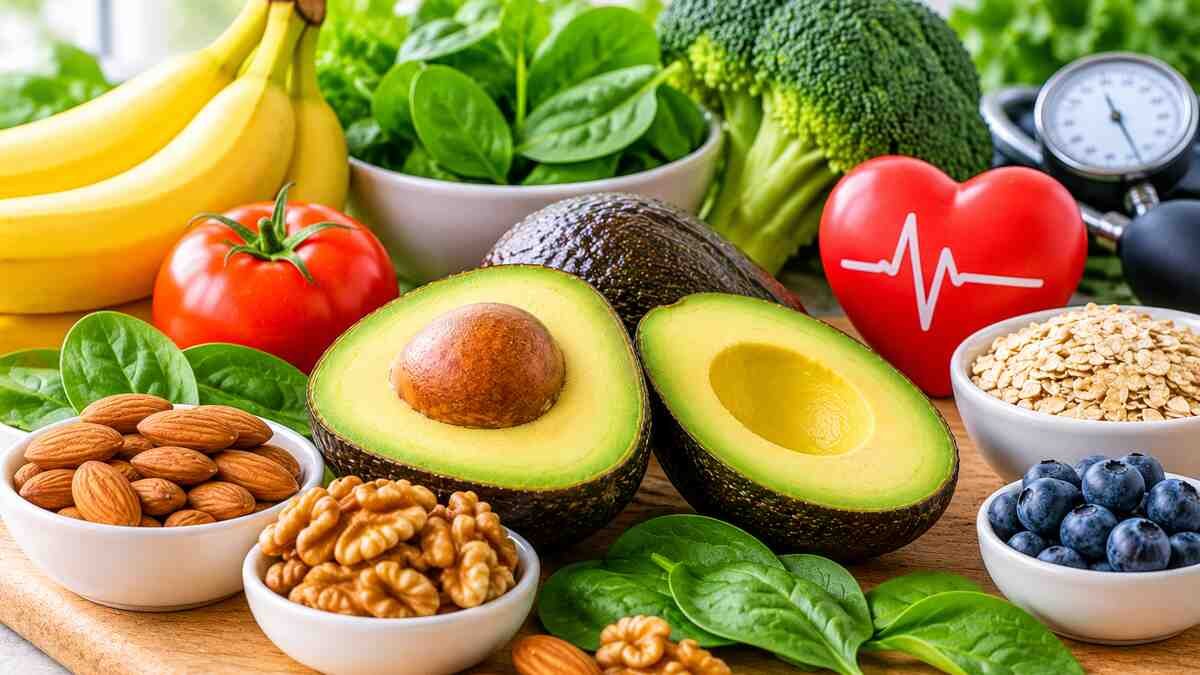

Avocado is a nutrient-rich fruit that shows up in many healthy eating plans, and people with high blood pressure often wonder whether it deserves a place on their plate. High blood pressure, or hypertension, means the force of blood against your artery walls stays too high over time. It raises the risk of heart disease and stroke.
Diet plays a meaningful role in blood pressure, and potassium is one of the nutrients that matters most. Avocado is a good source of potassium, along with fiber and monounsaturated fats. That makes it a useful addition to a blood pressure-friendly diet, though it does not treat hypertension on its own.
This guide explains how avocado may support healthy blood pressure, how much potassium it contains, what research says, and who should be careful. It draws on the American Heart Association, the NIH Office of Dietary Supplements, and published studies. It offers general information, not individualized medical advice.
Is Avocado Good for High Blood Pressure?
Avocado can be a useful addition to a blood pressure-friendly diet, but it does not independently treat high blood pressure. It provides potassium, fiber, and unsaturated fats that fit well with heart-healthy eating.
The American Heart Association explains that potassium lessens the effects of sodium, and that a higher potassium intake means more sodium is lost in urine. Potassium also helps ease tension in blood vessel walls. You can read the AHA’s explanation in its guide to how potassium can help control high blood pressure.
Avocado’s monounsaturated fats contribute to a heart-healthy pattern when they replace saturated fat, and its fiber supports overall cardiovascular nutrition. Research on avocado itself suggests possible modest benefits, but evidence is limited. Think of avocado as part of a balanced diet, not as a treatment. For more on this condition, see our overview of high blood pressure.
How Does Avocado Help Support Healthy Blood Pressure?
Four features of avocado explain its role in a blood pressure-conscious diet.
Potassium Helps Balance Sodium
Sodium can raise blood pressure by causing the body to hold on to fluid. Potassium works in the opposite direction by helping the kidneys remove sodium. Keeping the two in better balance supports normal blood pressure. The NIH explains this relationship in its potassium fact sheet.
Potassium Supports Blood Vessel Function
Potassium helps blood vessel walls relax, which contributes to normal blood pressure regulation. This is a long-term dietary effect. Avocado does not produce an immediate drop in blood pressure.
Healthy Fats Support Cardiovascular Health
Avocado is rich in monounsaturated fat. Replacing saturated-fat-rich foods, such as butter, with unsaturated fat sources supports heart health, as the American Heart Association notes. Read more about healthy fats.
Dietary Fiber Supports Heart Health
Fiber is part of heart-healthy eating patterns, and avocado is one useful source. See our list of high-fiber foods for digestive health.
How Much Potassium Is in an Avocado?
Avocado provides a meaningful amount of potassium. About 100 grams of raw avocado has roughly 485 mg, according to USDA FoodData Central. A medium avocado (about 136 grams of pulp) provides roughly 650 to 700 mg, depending on variety and size.
The NIH lists adequate intakes of 2,600 mg per day for adult women and 3,400 mg per day for adult men. Avocado can contribute to that total alongside other fruits and vegetables. Potassium also supports normal muscle, nerve, and heart function.
| Nutrient | Approximate amount per 100 g |
|---|---|
| Calories | 160 kcal |
| Potassium | 485 mg |
| Total fat | 14.7 g |
| Monounsaturated fat | 9.8 g |
| Dietary fiber | 6.7 g |
| Saturated fat | 2.1 g |
Values are approximate for raw avocado and vary by variety. For more potassium sources, see our guide to potassium-rich vegetables.
Nutritional Benefits of Avocado Beyond Potassium
Avocado offers several other nutrients that suit a heart-conscious diet. Our overview of the health benefits of avocado covers them in more depth.
Rich in Monounsaturated Fats
These unsaturated fats are also found in olive oil and nuts. Using avocado in place of butter-based spreads is an easy swap. See also our guide on avocado and high cholesterol.
Provides Dietary Fiber
Fiber supports digestion and fits into a balanced, heart-healthy diet. Avocado contains both soluble and insoluble fiber.
Contains Magnesium
Magnesium supports normal muscle and nerve function and plays a role in cardiovascular function. Avocado provides a modest amount.
Contains Antioxidant Nutrients
Avocado contains vitamin E and carotenoids such as lutein. These nutrients support general health. They do not prevent or reverse heart disease.
Provides Folate and Other Nutrients
Avocado also supplies folate and vitamin K. Dietary variety matters more than any single food.
What Does Scientific Research Say About Avocado and Blood Pressure?
The evidence is encouraging but limited. A 2025 systematic review and meta-analysis of randomized trials found that avocado intake was associated with a small reduction in systolic blood pressure, about 1.15 mmHg. The change in diastolic blood pressure was borderline and not clearly significant. The same review found a small LDL cholesterol reduction.
A reduction of about 1 mmHg is modest. It is not comparable to what blood pressure medication or major lifestyle changes can achieve. The authors also called for larger, better-designed studies with longer follow-up.
Research on potassium-rich dietary patterns is stronger than research on avocado alone. The DASH eating plan, which emphasizes fruits, vegetables, whole grains, legumes, and low-fat dairy, has been shown to lower blood pressure. Avocado fits comfortably within that approach, but trials of DASH did not test avocado by itself.
Overall, avocado may offer small benefits, but the evidence is not strong enough to present it as a hypertension treatment.
Best Ways to Eat Avocado for High Blood Pressure
Keep preparations simple and low in sodium.
Avocado and Spinach Salad
Combine avocado with spinach, cucumber, tomatoes, and lemon juice. Leafy greens add potassium and other nutrients. Use a low-sodium dressing. See the health benefits of spinach.
Avocado on Whole-Grain Toast
Spread mashed avocado on whole-grain bread and top with tomatoes and herbs. Choose lower-sodium bread when you can.
Avocado and Bean Bowl
Combine avocado with cooked beans, leafy greens, and vegetables. Beans add fiber, potassium, and magnesium. See the health benefits of legumes.
Homemade Avocado Dip
Mash avocado with lime juice, garlic, and fresh herbs. Limit added salt and serve with fresh vegetables instead of salty chips.
Avocado Smoothie
Blend avocado with unsweetened yogurt or milk and fruit. Skip extra sugar.
Foods to Eat With Avocado for Better Blood Pressure Support
Avocado works best within a wider heart-healthy pattern. Our guides to vegetables and blood pressure and the best vegetables for heart health can help.
Bananas and Other Potassium-Rich Fruits
Bananas, oranges, and apricots add potassium. See the health benefits of bananas.
Leafy Green Vegetables
Spinach, kale, and other greens provide potassium and magnesium. Read about leafy greens and heart health.
Beans and Lentils
Legumes contribute potassium, magnesium, and fiber, and they work well in avocado salads.
Nuts and Seeds
Unsalted almonds, walnuts, and pumpkin seeds add healthy fats and minerals. See our article on almonds and high blood pressure.
Whole Grains
Oats, brown rice, and whole-grain bread support a fiber-rich diet.
Foods to Limit When You Have High Blood Pressure
Reducing sodium is one of the most important dietary steps. The American Heart Association recommends limiting sodium to less than 2,300 mg per day, with an ideal target of 1,500 mg for many adults. Consider limiting:
- High-sodium processed foods and packaged salty snacks
- Processed meats
- Instant noodles and high-sodium convenience meals
- Salty sauces and condiments
- Foods with high amounts of added sugar
- Excessive alcohol
Choose minimally processed foods when you can. Replacing salty spreads or processed sandwich fillings with fresh avocado is one practical swap. See our guide on how to lower blood pressure.
Is Avocado Better Than Other Foods for High Blood Pressure?
No single food is best for blood pressure. Different foods provide complementary nutrients.
| Food | Main nutritional benefit |
|---|---|
| Avocado | Potassium, fiber, monounsaturated fats |
| Banana | Potassium |
| Spinach | Potassium, magnesium, folate |
| Sweet potato | Potassium and fiber |
| Beans | Potassium, magnesium, fiber |
| Oats | Soluble fiber |
| Walnuts | Unsaturated fats and minerals |
Overall dietary patterns matter more than individual superfoods. Avocado is a useful addition, not a replacement for other healthy foods. See also our guide to the health benefits of sweet potatoes.
Can You Eat Avocado Every Day if You Have High Blood Pressure?
Most people can fit avocado into a regular, balanced eating pattern. Portion size should reflect your nutritional needs, and half a medium avocado is a common serving. Avocado contains calories and fat, so count it as part of the whole meal.
Replacing less nutritious or higher-sodium ingredients can be more helpful than simply adding extra food. No official daily avocado serving exists for treating hypertension. For portions, see our guide to whether you can eat avocado every day.
Who Should Be Careful About Eating Avocado?
Some people need individualized potassium guidance.
People With Kidney Disease
Avocado contains potassium. People with impaired kidney function may need to limit potassium, and their healthcare team should set their targets. The National Kidney Foundation offers background.
People Taking Certain Medications
Some blood pressure medicines, including ACE inhibitors and ARBs, can raise potassium levels, as do potassium-sparing diuretics. If you take these, ask your clinician before making large changes to high-potassium foods or using salt substitutes that contain potassium. The NIH discusses these interactions.
People With Specific Dietary Restrictions
Other medical conditions may affect appropriate food choices. Follow the advice of your healthcare professional or a registered dietitian.
Can Avocado Replace Blood Pressure Medication?
No. Avocado is a nutritious food, not a hypertension medication. A heart-healthy diet can support blood pressure management, but some people need prescription treatment to reach safe levels.
Eating avocado does not guarantee normal blood pressure. Never stop or change your medication because you added avocado to your diet. Regular blood pressure monitoring and professional guidance remain important. Avocado can complement a management plan but cannot replace prescribed treatment.
Other Lifestyle Habits That Support Healthy Blood Pressure
Food is only one piece. Other helpful habits include:
- Eating plenty of fruits, vegetables, and whole grains, as in the DASH pattern
- Limiting sodium
- Staying physically active; see the benefits of exercise
- Getting enough sleep; see how to improve sleep
- Managing stress; see how to reduce stress
- Avoiding tobacco
- Monitoring blood pressure when advised
Our guide to natural home remedies for high blood pressure covers more everyday strategies.
Frequently Asked Questions About Avocado and High Blood Pressure
Does Avocado Lower Blood Pressure?
Avocado provides potassium and other nutrients that support a heart-healthy diet. A 2025 meta-analysis found a small potential reduction in systolic blood pressure, but the evidence is not enough to call avocado a treatment.
How Much Potassium Is in One Avocado?
It depends on size and variety. Raw avocado has about 485 mg per 100 grams, so a medium avocado has roughly 650 to 700 mg, based on USDA data.
Is Avocado Good for People With Hypertension?
Yes, avocado can be part of a balanced, potassium-rich dietary pattern, provided it suits your medical needs. Check with your care team if you have kidney disease or take medicines that affect potassium.
Can Eating Avocado Every Day Reduce Blood Pressure?
Regular avocado can contribute to a nutritious eating pattern, but daily avocado has not been established as a specific treatment for hypertension.
Is Avocado High in Sodium?
No. Fresh avocado is naturally very low in sodium. Prepared avocado products and dips can contain added salt, so check labels.
Can People With Kidney Disease Eat Avocado?
Some can, in limited portions, but avocado contains potassium that some people with kidney disease must restrict. Individual advice from a healthcare professional is important.
Final Thoughts: Should You Eat Avocado for High Blood Pressure?
Avocado provides potassium, fiber, and monounsaturated fats. Potassium helps counterbalance sodium and supports normal blood vessel function, and avocado can complement a DASH-style or otherwise heart-healthy eating pattern.
Research suggests possible modest blood pressure benefits, but the evidence remains limited. People with kidney disease or certain medication needs may require individualized potassium guidance, and avocado cannot replace blood pressure medication. Enjoy it as part of a varied, balanced diet.
For more ideas, see our list of heart-healthy foods.
Sources
- American Heart Association. How Potassium Can Help Control High Blood Pressure and Saturated Fats.
- NIH Office of Dietary Supplements. Potassium: Fact Sheet for Health Professionals.
- National Heart, Lung, and Blood Institute. DASH Eating Plan.
- Effects of Avocado Products on Cardiovascular Risk Factors in Adults: A GRADE-Assessed Systematic Review and Meta-Analysis. Food Science & Nutrition, 2025.
- U.S. Department of Agriculture. FoodData Central.
- National Kidney Foundation. Potassium and Your CKD Diet.
Medical Disclaimer: This article is for general educational purposes only and is not medical advice. It does not replace the guidance of your doctor, pharmacist, or registered dietitian. Talk with a qualified healthcare professional before changing your diet or your blood pressure medication, especially if you have kidney disease or take medicines that affect potassium.