
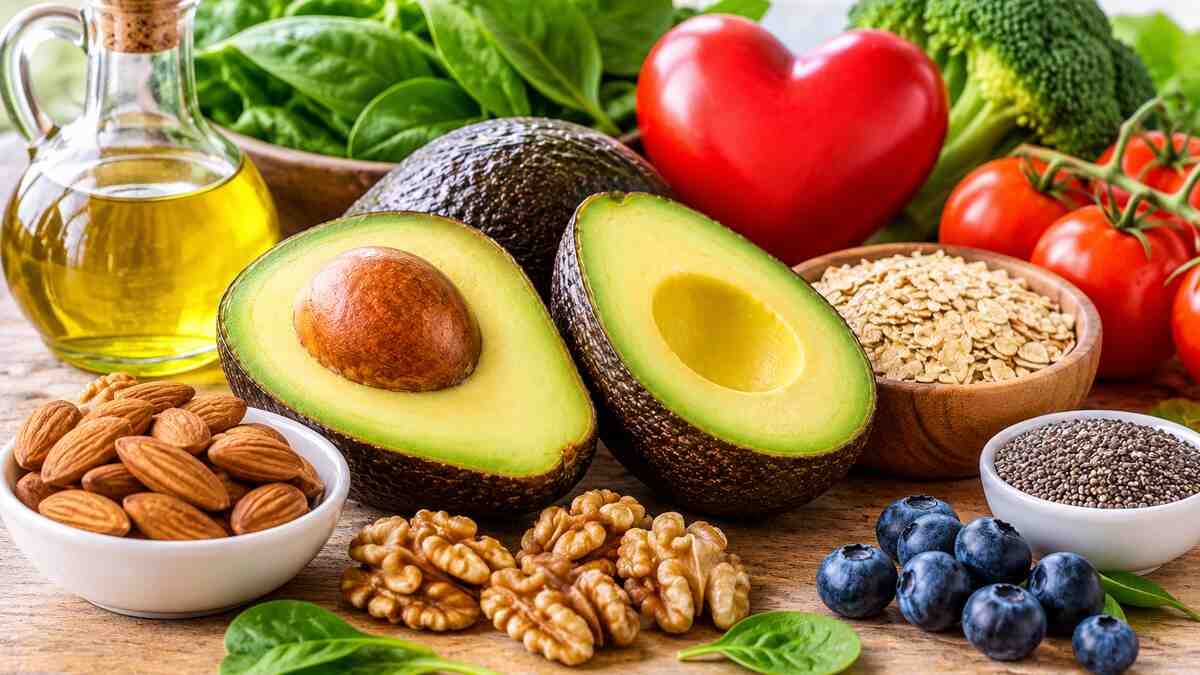

Avocado is loved for its creamy texture and its healthy fat content, so it is no surprise that people with high cholesterol ask whether it belongs on their plates. Cholesterol matters because elevated LDL cholesterol is a major risk factor for cardiovascular disease. The type of fat you eat can influence your blood cholesterol levels.
So, is avocado good for high cholesterol? Avocado contains monounsaturated fats and fiber that may support healthier cholesterol levels, especially LDL, when it replaces foods rich in saturated fat. The research is encouraging but not conclusive, and avocado is not a replacement for prescribed treatment.
This guide explains how avocado may affect LDL, HDL, total cholesterol, and triglycerides, what recent research says, how much to eat, and how to fit avocado into a heart-healthy pattern. It draws on the American Heart Association, USDA FoodData Central, and published clinical research. It offers general information, not individualized medical advice.
Is Avocado Good for High Cholesterol?
Avocado can be a helpful food for people with high cholesterol, particularly when it replaces sources of saturated fat such as butter. Some clinical research suggests modest improvements in LDL cholesterol. Eating avocado alone does not guarantee lower cholesterol.
Here is why it may help:
- Avocado is rich in monounsaturated fats, which are considered heart-friendly when they take the place of saturated fats.
- It provides dietary fiber and plant compounds such as phytosterols.
- Its benefits are more meaningful when it improves the overall pattern of what you eat.
An umbrella review of systematic reviews concluded that avocado intake may benefit people with dyslipidemia by lowering LDL and total cholesterol, although findings for HDL and triglycerides were inconsistent and the authors noted methodological limitations. Overall diet and lifestyle remain central. For background, see our guide to high cholesterol.
How Does Avocado Affect Cholesterol Levels?
Cholesterol is measured in several ways, and avocado may affect them differently.
Avocado and LDL (Bad) Cholesterol
LDL carries cholesterol to tissues and can build up in artery walls, contributing to atherosclerosis. Replacing saturated fats with unsaturated fats is a well-established way to improve LDL levels, as the American Heart Association explains. Avocado’s monounsaturated fats can contribute to this swap.
A randomized trial found that a moderate-fat diet including one avocado a day lowered LDL more than a comparison diet with similar fat but no avocado. Our article on LDL vs. HDL cholesterol explains the difference.
Avocado and HDL (Good) Cholesterol
HDL helps carry cholesterol away from the bloodstream. Results for avocado and HDL are mixed. One earlier meta-analysis found a modest HDL increase with avocado, while more recent analyses found no significant change. Avocado has not been shown to reliably raise HDL.
Avocado and Total Cholesterol
Total cholesterol includes LDL, HDL, and other components. A dose-response meta-analysis of randomized trials found a small reduction in total cholesterol. Another 2025 meta-analysis did not find a significant change. Individual results vary.
Avocado and Triglycerides
Triglycerides are a type of fat in the blood. Clinical findings are mixed, and several meta-analyses found no significant effect. Avocado should not be expected to consistently lower triglycerides.
Nutritional Benefits of Avocado for Heart Health
Avocado offers several features that suit a heart-conscious diet. For a broader overview, see the health benefits of avocado.
Rich in Monounsaturated Fats
Monounsaturated fats are unsaturated fats found in avocado, olive oil, and many nuts. They are most useful when they replace saturated fat. Learn more about healthy fats.
Provides Dietary Fiber
Avocado contains both soluble and insoluble fiber. Fiber supports digestion and is part of heart-healthy eating patterns. See our list of high-fiber foods for digestive health.
Contains Plant Compounds
Avocado contains phytosterols, plant compounds that resemble cholesterol. The amounts in a typical serving are small, so they should not be treated as the main reason avocado may help.
Provides Potassium
Potassium supports normal blood pressure regulation, which matters for cardiovascular health. See our guide to potassium-rich vegetables.
Contains Antioxidant Nutrients
Avocado provides vitamin E and carotenoids such as lutein. These nutrients support general health. They do not reverse artery damage.
What Does Scientific Research Say About Avocado and Cholesterol?
The evidence is promising but not definitive. Here is how recent reviews compare.
- Dose-response meta-analysis of randomized trials: this analysis (searches through May 2024) reported small reductions in total cholesterol (about 7 mg/dL) and LDL (about 6 mg/dL), with no significant effect on HDL.
- 2025 GRADE-assessed meta-analysis: a review of 10 randomized trials found a significant LDL reduction (about 3.75 mg/dL) and a small drop in systolic blood pressure, but no significant changes in total cholesterol, HDL, or triglycerides.
- 2019 meta-analysis: the American Journal of Clinical Nutrition review found no difference in total or LDL cholesterol but a higher HDL with avocado.
Studies differ in size, duration, population, and what the control diet contained. Effects may be larger in people with elevated cholesterol, but long-term trials are still needed. A 2025 evidence map also called for more research on dose and duration. Avoid treating avocado as a proven cholesterol-lowering treatment.
How Much Avocado Should You Eat for High Cholesterol?
There is no universally established avocado dose for lowering cholesterol. Half a medium avocado is a practical portion for many people, but your needs depend on your calorie target and overall diet.
Portion size matters because avocado is calorie-dense. The biggest benefit comes from replacing butter, mayonnaise, or other saturated-fat-rich ingredients. Adding avocado on top of an unchanged diet may not give the same advantage. Our article on whether you can eat avocado every day covers portions in detail.
| Nutrient | Approximate amount per 100 g |
|---|---|
| Calories | 160 kcal |
| Total fat | 14.7 g |
| Saturated fat | 2.1 g |
| Monounsaturated fat | 9.8 g |
| Dietary fiber | 6.7 g |
| Potassium | 485 mg |
Values are approximate for raw avocado, based on USDA FoodData Central.
Best Ways to Eat Avocado for Cholesterol Management
Simple preparations keep avocado heart-friendly.
Avocado on Whole-Grain Toast
Mash avocado on whole-grain bread and top with tomatoes and herbs. Whole grains offer more fiber than refined bread.
Avocado and Vegetable Salad
Combine avocado with leafy greens, tomatoes, and cucumber. Use a lemon-based dressing instead of heavy creamy dressings. Our guide to the best vegetables for heart health offers more ideas.
Avocado and Oatmeal-Based Meals
Savory oat bowls topped with avocado and vegetables can pair soluble-fiber-rich oats with healthy fats.
Avocado With Beans and Lentils
Add avocado to bean bowls or lentil salads for fiber and plant-based nutrients. See the health benefits of legumes.
Homemade Avocado Spread
Use mashed avocado in place of butter or mayonnaise on sandwiches. This kind of substitution improves the fat profile of a meal.
Foods to Eat With Avocado for Better Cholesterol Management
Avocado works best within a heart-healthy pattern. Our Mediterranean diet guide describes one such pattern.
Oats and Barley
Oats and barley contain beta-glucan, a soluble fiber linked to healthier LDL levels.
Nuts and Seeds
Almonds, walnuts, chia seeds, and flaxseeds provide unsaturated fats and fiber. See our articles on almonds and cholesterol and walnuts and heart health.
Beans and Lentils
Legumes supply soluble fiber and plant protein, and they work well in avocado salads.
Leafy Green Vegetables
Spinach, kale, and other greens add nutrients with few calories. See our guide to leafy greens and heart health.
Fatty Fish
Salmon, sardines, and other oily fish provide omega-3 fatty acids. Learn more in our guide to fatty fish.
Avocado vs. Butter: Which Is Better for High Cholesterol?
For most people with high cholesterol, avocado is a better everyday choice than butter, mainly because of the type of fat.
| Comparison | Avocado | Butter |
|---|---|---|
| Main fat type | Mostly monounsaturated | Mostly saturated |
| Dietary fiber | Contains fiber | No fiber |
| Plant nutrients | Contains various plant compounds | Not a significant source |
| Cholesterol | Naturally cholesterol-free | Contains dietary cholesterol |
| Heart-healthy substitution | Often a useful alternative | Best consumed in moderation |
Unsaturated fats are generally preferred over saturated fats for heart health. Swapping butter for avocado can improve the fat composition of a sandwich or toast. Overall dietary patterns matter more than one ingredient, and you do not need to eliminate butter forever. Avocado also does not automatically lower cholesterol.
Foods to Limit When You Have High Cholesterol
The goal is not to remove all fat. It is to prioritize unsaturated fat sources. The American Heart Association recommends limiting saturated and trans fats. Consider limiting:
- Fatty and processed meats
- Butter and high-fat dairy products
- Deep-fried foods
- Commercial baked goods high in saturated or trans fats
- Foods containing industrial trans fats, where present
Pair dietary changes with physical activity and medical guidance. See our guide to cholesterol and heart health.
Can Avocado Lower Cholesterol Without Medication?
Avocado may support healthier cholesterol as part of a balanced diet, but it is not a replacement for medication. Dietary changes can contribute to cholesterol management. Some people need prescription treatment, such as statins, based on their cholesterol levels and cardiovascular risk.
High cholesterol often has several causes, including genetics, diet, physical activity, and certain medical conditions. Do not stop or change your medication because of dietary changes without talking to your healthcare professional. See our overview of how to prevent heart disease.
Other Lifestyle Habits That Support Healthy Cholesterol
Food is only part of the picture. These habits also help:
- Eat more vegetables, fruits, and whole grains.
- Choose unsaturated fats such as olive oil.
- Include fiber-rich foods regularly.
- Stay physically active; see exercise and heart health.
- Avoid tobacco exposure.
- Follow your clinician’s recommendations.
- Get your cholesterol checked when appropriate.
Lifestyle changes work best when you follow them consistently.
Frequently Asked Questions About Avocado and High Cholesterol
Does Avocado Lower Cholesterol?
Research suggests avocado may modestly improve LDL and sometimes total cholesterol, particularly when it replaces saturated-fat-rich foods. Results vary, and the evidence is not conclusive. See the 2025 meta-analysis.
Is Avocado High in Cholesterol?
No. Avocado is a plant food, so it is naturally cholesterol-free. It does contain fat, mostly monounsaturated.
How Much Avocado Should I Eat if I Have High Cholesterol?
There is no officially established therapeutic serving. A reasonable portion, such as half an avocado, can fit into a balanced diet depending on your energy and nutritional needs.
Is Avocado Good for LDL Cholesterol?
Some clinical studies suggest avocado may help lower LDL, especially in people with elevated cholesterol. A randomized trial found LDL improvements when avocado was part of the diet.
Does Avocado Increase HDL Cholesterol?
Evidence is inconsistent. Avocado has not been shown to reliably increase HDL cholesterol.
Is Eating Avocado Every Day Good for Your Heart?
Avocado can be eaten regularly in a balanced diet, especially as a replacement for foods high in saturated fat. Variety and portion size still matter. See our heart-healthy foods list.
Final Thoughts: Should You Eat Avocado for High Cholesterol?
Avocado provides heart-friendly monounsaturated fats, fiber, and beneficial plant nutrients. Research suggests possible improvements in LDL and sometimes total cholesterol, although findings are not entirely consistent.
Replacing saturated-fat-rich foods with avocado is likely more useful than simply adding it to your current diet. Avocado is not a standalone treatment for high cholesterol, so include it as one part of a balanced, heart-healthy eating pattern and follow your healthcare professional’s advice.
Sources
- American Heart Association. Cholesterol and Saturated Fats.
- U.S. Department of Agriculture. FoodData Central.
- Wang L, et al. Effect of a Moderate Fat Diet With and Without Avocados on Lipoprotein Particle Number, Size and Subclasses. Journal of the American Heart Association, 2015.
- Mahmassani HA, et al. Avocado consumption and risk factors for heart disease: a systematic review and meta-analysis. American Journal of Clinical Nutrition, 2019.
- Exploring the effect of avocado on lipid profile modulation: a systematic review and dose-response meta-analysis of clinical trials.
- Effects of Avocado Products on Cardiovascular Risk Factors in Adults: A GRADE-Assessed Systematic Review and Meta-Analysis. Food Science & Nutrition, 2025.
- Is avocado beneficial for lipid profiles? An umbrella review of systematic reviews and meta-analyses.
- Fleming SA, et al. Exploring avocado consumption and health: a scoping review and evidence map. Frontiers in Nutrition, 2025.
Medical Disclaimer: This article is for general educational purposes only and is not medical advice. It does not replace the guidance of your doctor, pharmacist, or registered dietitian. Talk with a qualified healthcare professional before changing your diet or your cholesterol medication, especially if you have heart disease or other medical conditions.