
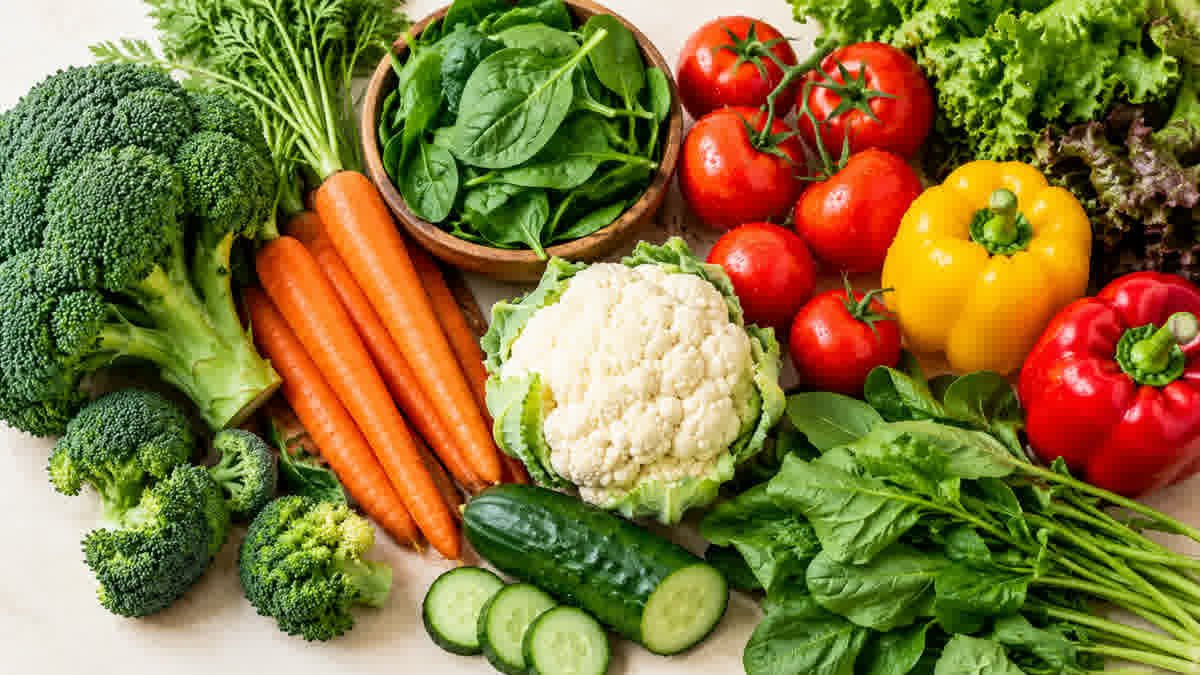

Vegetables do more than add color to a plate. They supply fiber, vitamins, minerals, and plant compounds that help the digestive system, heart, immune system, and many other parts of the body work as they should. Understanding the vegetables benefits supported by research makes it easier to see why nearly every major dietary guideline places them at the center of a balanced diet.
Vegetables also tend to be low in calories for their volume, which makes them useful for building satisfying meals. Eating a variety of them across the week exposes your body to a wider range of nutrients than relying on a few favorites. Large research reviews link higher vegetable intake with lower risks of some cardiovascular outcomes, although the evidence is stronger for some conditions than for others.
This guide explains what makes vegetables nutritious, 10 health benefits of eating vegetables daily, which vegetables to include, how much to aim for, and whether raw or cooked is better. You will also find practical tips, safety notes, and answers to common questions. The information is general and educational, and it is not a substitute for advice from your own clinician or a registered dietitian.
What Makes Vegetables So Nutritious?
The benefits of vegetables come from the combination of nutrients they contain, not from any single ingredient. Amounts vary a great deal from one vegetable to the next, which is one reason variety matters. You can look up the nutrient content of specific vegetables in the USDA FoodData Central database, and our guide to nutrient-dense foods offers more examples.
Vitamins and Minerals
Vegetables are a major source of several nutrients many adults do not get enough of. Vitamin C is abundant in red bell peppers and broccoli. Vitamin K is plentiful in spinach, kale, and broccoli, and folate is found in leafy greens, asparagus, and Brussels sprouts.
Carrots, pumpkin, and sweet potatoes provide beta-carotene, which the body converts to vitamin A. Potassium appears in spinach, tomatoes, and many other vegetables. For more ideas, see our list of foods high in vitamin C.
Dietary Fiber
Fiber is the part of plant foods that your body does not fully digest. Soluble fiber, found in peas, carrots, and Brussels sprouts, dissolves in water and forms a gel-like texture. Insoluble fiber, found in cabbage, cauliflower, and many vegetable skins, adds bulk to stool and helps food move through the digestive tract.
The Dietary Guidelines for Americans have identified fiber as a nutrient that many people under-consume. Vegetables are one of the most practical ways to close that gap. Our guide to high-fiber foods for digestive health covers other options.
Antioxidants and Plant Compounds
Vegetables contain thousands of naturally occurring plant compounds, including carotenoids in carrots and tomatoes, flavonoids and other polyphenols in onions and leafy greens, and sulfur-containing compounds in cabbage and broccoli. Many of these compounds act as antioxidants in laboratory studies. That does not mean any one compound has been proven to prevent disease on its own.
Researchers generally view the benefits as coming from whole vegetables eaten as part of an overall dietary pattern. To learn more, read about what antioxidants are and browse these antioxidant-rich foods.
10 Health Benefits of Eating Vegetables Daily
The benefits below describe how vegetables contribute to health as part of an overall eating pattern. Most findings come from observational research, which shows associations rather than proof of cause and effect. Individual results depend on genetics, medical conditions, medications, and everything else a person eats and does.
1. Supports Healthy Digestion
Fiber from vegetables helps keep bowel movements regular and stools easier to pass. Carrots, peas, broccoli, and leafy greens all contribute, and certain fibers also serve as food for beneficial gut bacteria. Our guides to improving gut health and prebiotic foods explain this in more detail.
If you are prone to constipation, drinking enough fluids alongside extra fiber matters. You can also review these natural home remedies for constipation.
2. Helps Support Heart Health
A vegetable-rich eating pattern supplies fiber and potassium while usually replacing more heavily processed foods. According to the Harvard Nutrition Source, higher intakes of vegetables and fruits are linked with a lower risk of cardiovascular disease. Leafy greens appear especially promising in that research.
Vegetables support heart-healthy habits (a 2022 Nature Medicine analysis found an association with lower ischemic heart disease risk) but do not replace prescribed treatment for blood pressure or cholesterol. For related guidance, see heart-healthy foods and how to lower blood pressure.
3. Supports Immune System Function
The immune system relies on many nutrients, including vitamin C, vitamin A, and folate, all of which vegetables provide. Bell peppers, broccoli, carrots, and leafy greens are good examples. NIH fact sheets describe vitamin C as playing a role in normal immune function.
No food can guarantee protection from infections. Eating a varied diet is one piece of a bigger picture that also includes sleep, physical activity, and vaccination. Our article on how to improve your sleep covers another key piece.
4. Helps With Healthy Weight Management
Most vegetables are high in water and fiber and relatively low in calories, so they add volume to meals and can help you feel full. Filling half your plate with vegetables may make it easier to keep portions of higher-calorie foods in check. This works best when vegetables are not covered in heavy sauces or fried in large amounts of oil.
Weight depends on overall eating patterns, physical activity, sleep, stress, genetics, and medications, so vegetables are one helpful tool rather than a standalone solution. See our guides on weight management and natural home remedies for losing weight.
5. Supports Healthy Blood Sugar Regulation
Non-starchy vegetables such as leafy greens, broccoli, cauliflower, peppers, and green beans are low in digestible carbohydrate and rich in fiber. Including them at meals can make those meals more filling and may slow how quickly other carbohydrates are absorbed. Starchy vegetables such as potatoes and corn affect blood sugar differently, so portion size and preparation matter.
Supporting healthy blood sugar is not the same as treating or preventing diabetes. The 2022 Nature Medicine analysis described below did not find a statistically significant association between vegetable intake and type 2 diabetes. People managing glucose should see our diabetes diet guide and speak with their care team.
6. Contributes to Bone Health
Bones need more than calcium. Vitamin K, found in kale, broccoli, and spinach, contributes to normal bone metabolism, and potassium and magnesium from vegetables also play supporting roles. Some greens, including bok choy, kale, and broccoli, supply calcium that the body absorbs reasonably well.
Spinach is high in calcium on paper, but its oxalate content limits how much of that calcium is absorbed. Vegetables work alongside other calcium sources, weight-bearing exercise, and adequate vitamin D. See our lists of calcium-rich foods and foods high in vitamin D.
7. Supports Eye Health
Beta-carotene is converted to vitamin A, which is essential for normal vision. Lutein and zeaxanthin, carotenoids found in spinach, kale, and other greens, concentrate in the retina. Carrots, pumpkin, and sweet potatoes contribute beta-carotene.
A diet rich in colorful vegetables supports overall eye health, but it cannot replace regular eye exams or treatment for existing eye conditions. If you notice changes in your vision, read about what causes blurred vision.
8. Provides Antioxidants and Supports Cellular Health
Your body produces reactive molecules called free radicals as a normal part of metabolism, and it has its own antioxidant defense systems to manage them. Vitamin C, carotenoids, and polyphenols from vegetables contribute to those defenses. Vegetables are also part of broader anti-inflammatory eating patterns.
This does not mean vegetables detoxify organs or neutralize every free radical. The liver and kidneys already handle waste removal. Research on antioxidant supplements has also been less consistent than research on whole foods, which is another reason to favor vegetables themselves.
9. Supports Healthy Skin
Vitamin C is needed to make collagen, a protein that gives skin its structure. Carotenoids from carrots, tomatoes, and sweet potatoes may also contribute to skin function, and adequate hydration from water-rich vegetables such as cucumbers helps overall health.
Vegetables cannot guarantee clear or younger-looking skin, since genetics, sun exposure, smoking, and sleep matter a great deal. If you have a specific concern, our guide to what causes acne and our page on dry skin may help.
10. Supports Long-Term Health
A 2022 Burden of Proof analysis in Nature Medicine reviewed the evidence on vegetable intake and five health outcomes. It found statistically significant associations between higher vegetable consumption and lower risk of ischemic stroke, ischemic heart disease, hemorrhagic stroke, and esophageal cancer. The strength of evidence differed by outcome, and the researchers did not detect a significant association with type 2 diabetes.
The study also noted remaining uncertainties and the need for more research (the full text is free to read). In short, vegetables are consistently linked with better long-term outcomes, but associations do not prove that vegetables alone prevent chronic disease. Other healthy habits, such as regular exercise, not smoking, and preventive health care, also count.
Which Vegetables Are Best to Eat Every Day?
No single vegetable provides everything the body needs. The most useful approach is to eat a range of types and colors throughout the week rather than relying on one supposed superfood. Choose what is affordable, available, and enjoyable, since habits you can maintain matter more than perfect choices.
- Leafy greens: Spinach, kale, collard greens, amaranth leaves, and lettuce provide folate, vitamin K, and carotenoids. Our guide to the benefits of leafy green vegetables goes deeper.
- Cruciferous vegetables: Broccoli, cabbage, cauliflower, and Brussels sprouts offer fiber, vitamin C, and vitamin K.
- Red and orange vegetables: Carrots, tomatoes, pumpkin, and red bell peppers are rich in carotenoids and vitamin C. See the health benefits of pumpkin.
- Other everyday choices: Eggplant, okra, green beans, cucumber, zucchini, bottle gourd, and ridge gourd add variety, fiber, and water.
These choices fit many cuisines. Spinach can go into dal or an omelet, okra into a stir-fry or curry, and cabbage into slaws, soups, or wraps. Mushrooms, which are often grouped with vegetables in meals, also have their own health benefits.
How Many Vegetables Should You Eat Daily?
The World Health Organization recommends at least 400 grams (about five portions) of fruits and vegetables per day for adults, excluding potatoes, sweet potatoes, cassava, and other starchy roots. This is a combined fruit-and-vegetable target, not a vegetable-only requirement. Recommendations for young children differ.
In the United States, MyPlate gives daily vegetable targets in cups, and the amount varies with age, sex, and activity level. One cup of raw or cooked vegetables, or two cups of raw leafy greens, generally counts as one cup. Your own needs may be higher or lower, especially if you have a medical condition or specific calorie needs.
A simple way to spread vegetables across the day is to add some at breakfast (spinach in eggs, tomatoes on toast), a serving at lunch, and another at dinner. Snacks such as carrot sticks or cucumber slices help too. If you currently eat very little fiber, increase intake gradually and drink water to reduce gas and bloating.
Raw vs. Cooked Vegetables: Which Is Healthier?
Neither method is universally better. The Harvard Nutrition Source notes that cooking methods can affect nutrients in different ways. Some water-soluble vitamins, such as vitamin C and folate, can be lost during long boiling or when cooking water is discarded.
Cooking can also help. Heating tomatoes, for instance, makes the carotenoid lycopene easier to absorb, and cooking softens fibrous vegetables so they are easier to chew and digest. Steaming, microwaving, roasting, and quick stir-frying generally preserve more nutrients than prolonged boiling.
Frozen vegetables are usually frozen soon after harvest and can be just as nutritious as fresh ones. Canned vegetables are practical, particularly when you choose no-salt-added or lower-sodium versions. The best preparation method is the one that helps you eat vegetables regularly and safely.
Easy Ways to Eat More Vegetables Every Day
Small, realistic changes work better than strict meal plans. Try a few of these ideas:
- Add leafy greens to eggs, lentils, soups, or curries.
- Include a vegetable side with lunch and dinner.
- Keep washed, chopped vegetables in the refrigerator for quick meals and snacks.
- Add shredded carrots, cabbage, or peppers to sandwiches and wraps.
- Use frozen vegetables for fast stir-fries, soups, and pasta dishes.
- Vary colors and types across the week.
- Try an unfamiliar vegetable in a recipe you already enjoy.
For more inspiration, browse our list of healthy foods to include in your diet, the Mediterranean diet, and our overview of what a healthy diet looks like.
Are There Any Downsides to Eating Vegetables?
For most people, vegetables are safe and beneficial, but a few points are worth knowing. A sudden jump in fiber can cause gas, bloating, or changes in bowel habits, so increase portions gradually. Food allergies and digestive conditions can affect which vegetables you tolerate.
People taking warfarin should keep vitamin K intake consistent rather than avoiding leafy greens, according to the NIH fact sheet on vitamin K. Some people with kidney disease may need personalized guidance on potassium, as described in the NIH potassium fact sheet.
Wash produce under running water and follow the FDA’s guidance on selecting and serving produce safely. If a medical condition or medication affects your diet, ask a clinician or registered dietitian for individualized advice.
Frequently Asked Questions About Vegetables Benefits
What are the main benefits of eating vegetables daily?
Vegetables supply fiber, vitamins, minerals, and plant compounds that support digestion, heart health, immune function, and a healthy weight. Higher vegetable intake is also associated with lower risks of some cardiovascular outcomes, according to a Nature Medicine analysis. These are associations, and results vary from person to person.
Which vegetables are the healthiest to eat regularly?
No single vegetable is the healthiest. Leafy greens, cruciferous vegetables, and red and orange vegetables each provide different nutrients, so a mix is best. The Harvard Nutrition Source emphasizes variety.
How many vegetables should I eat each day?
The WHO recommends at least 400 grams of fruits and vegetables combined for adults. U.S. targets in MyPlate vary by age, sex, and activity level. A clinician or dietitian can help set a target that fits you.
Is it better to eat vegetables raw or cooked?
Both can be healthy. Raw vegetables retain more vitamin C and folate, while cooking can make nutrients such as lycopene in tomatoes easier to absorb. Eating a mix of both is a reasonable approach.
Can eating vegetables every day help with weight management?
Vegetables can help because they are filling and relatively low in calories, particularly when they replace higher-calorie foods. They are not a guaranteed solution on their own, since weight also depends on total diet, activity, sleep, and medical factors. See our weight management guide for more.
Are frozen vegetables as healthy as fresh vegetables?
Frozen vegetables are typically just as nutritious as fresh ones and are convenient and affordable. Choose plain frozen vegetables without added sauces or excess salt. Canned vegetables can also work if you pick lower-sodium options.
Conclusion: Make Vegetables a Daily Habit
The vegetables benefits discussed here come from the fiber, vitamins, minerals, and plant compounds that help support normal body functions and overall diet quality. No vegetable is perfect, and none is a cure, but a varied, vegetable-rich pattern is one of the most practical steps toward better long-term health. Fresh, frozen, and canned options all have a place.
A simple way to begin is to add one extra serving of vegetables to a meal today. Then build more variety across the week at a pace that feels sustainable. For tailored advice, talk with your healthcare provider or a registered dietitian.
Sources
- World Health Organization. Healthy diet fact sheet.
- Harvard T.H. Chan School of Public Health, The Nutrition Source. Vegetables and Fruits.
- Stanaway JD, et al. Health effects associated with vegetable consumption: a Burden of Proof study. Nature Medicine. 2022.
- U.S. Department of Agriculture. FoodData Central.
- National Institutes of Health, Office of Dietary Supplements. Vitamin C, Vitamin K, and Potassium fact sheets.
- U.S. Department of Agriculture. MyPlate: Vegetables.
- U.S. Department of Agriculture and U.S. Department of Health and Human Services. Dietary Guidelines for Americans.
- U.S. Food and Drug Administration. Selecting and Serving Produce Safely.
Medical Disclaimer: This article is for general educational purposes only and is not medical advice. It does not diagnose, treat, or prevent any condition, and it cannot replace guidance from a qualified healthcare professional who knows your health history. Always talk with your doctor or a registered dietitian before changing your diet, especially if you have a medical condition, take medications, or are pregnant. If you think you may have a medical emergency, call 911 or your local emergency number right away.
4 thoughts on “Health Benefits of Eating Vegetables Daily: Why Your Body Needs Them”
Comments are closed.