
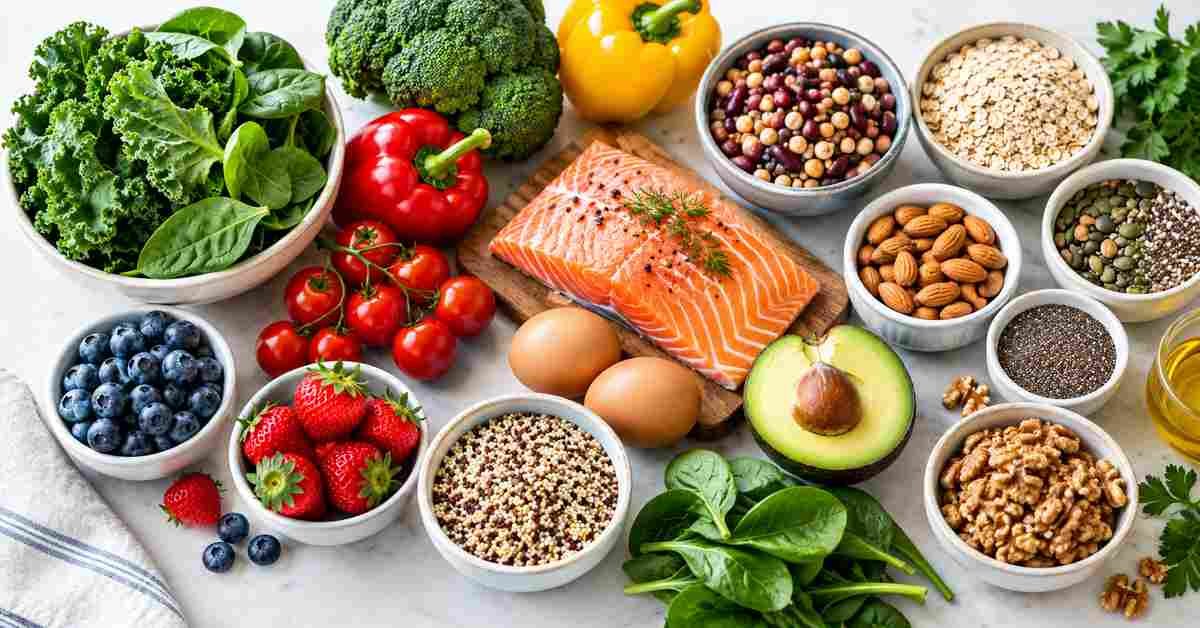

Nutrient-dense foods deliver plenty of vitamins, minerals, fiber, protein, and other beneficial compounds for the calories they contain. Instead of asking how many calories a food has, nutrient-dense eating asks what you get for those calories. A cup of lentil soup and a handful of candy might have similar calories, yet they contribute very different amounts of nutrition.
No single food supplies every nutrient the body needs, and no single “superfood” can fix an otherwise unbalanced diet. The more useful approach is to build meals around a variety of whole or minimally processed foods. The American Heart Association advises focusing on your overall eating pattern rather than on individual nutrients or specific foods.
This guide explains what nutrient-dense foods are, how they differ from calorie-dense foods, and why they matter. You will also find a list of 20 nutrient-dense foods, ideas by food group, easy meal ideas, and common mistakes to avoid. The goal is practical, evidence-based guidance that fits real life, not a restrictive diet.
What Are Nutrient-Dense Foods?
Nutrient-dense foods provide substantial vitamins, minerals, protein, fiber, healthy fats, and other beneficial compounds relative to their calorie content. They are also lower in saturated fat, added sugars, and sodium. The American Heart Association describes them as foods rich in vitamins, minerals and other nutrients important for health, without too much saturated fat, added sugars and sodium.
The CDC takes a similar view, noting that healthy eating means focusing on whole, nutrient-dense foods and emphasizing protein, dairy without added sugars, vegetables, fruits, healthy fats, and whole grains. For a broader foundation, see our guide to what makes a healthy diet.
Nutrient Density vs. Calorie Density
Nutrient density describes how many nutrients you get per calorie. Calorie density (also called energy density) describes how many calories a food has for its weight. The two ideas overlap, but they are not opposites.
Two foods with similar calories can offer very different nutrition. A serving of whole-grain oatmeal with berries provides fiber, minerals, and plant compounds, while a pastry with the same calories may provide mostly refined starch and added sugar.
Calorie-dense foods are not automatically unhealthy. Nuts, seeds, olive oil, avocado, and fatty fish contain more calories per ounce, yet they supply healthy fats, protein, and minerals. Our guides to healthy fats and fatty fish explain why.
What Nutrients Make a Food Nutrient-Dense?
Foods earn the label when they contribute several of these:
- Protein: supports muscle, tissue repair, and fullness.
- Fiber: supports digestion and helps you feel full. The CDC lists fruits, vegetables, whole grains, legumes, nuts, and seeds as good sources of fiber.
- Vitamins: such as vitamin C, folate, vitamin A, vitamin K, and B vitamins.
- Minerals: such as potassium, magnesium, calcium, and iron.
- Healthy fats: including monounsaturated fats and omega-3 fatty acids (see our guide to omega-3 fatty acids).
- Antioxidants and plant compounds: such as carotenoids, polyphenols, and anthocyanins. Explore antioxidant-rich foods for examples.
You can compare the nutrient content of specific foods in USDA FoodData Central. Our guide on how to read a Nutrition Facts label can help you compare packaged foods.
Benefits of Eating More Nutrient-Dense Foods
Research on food and health is often based on overall dietary patterns, and much of it is observational. That means it can show associations but cannot prove that any one food causes a specific outcome. With that in mind, here is what nutrient-dense eating can reasonably offer.
Helps Meet Essential Nutrient Needs
Vitamins and minerals support normal body functions, from energy metabolism to nerve signaling. Eating a variety of nutrient-rich foods is the most reliable way to cover those needs. The WHO notes that the exact make-up of a diversified, balanced healthy diet depends on individual needs, cultural context, and locally available foods.
Supports Heart Health
Dietary patterns rich in vegetables, fruits, whole grains, legumes, nuts, seeds, and fish are commonly recommended for cardiovascular health. They tend to supply fiber, potassium, and unsaturated fats while limiting sodium and added sugars. The CDC notes that eating too much sodium can raise the risk of high blood pressure, heart attack, and stroke.
Foods alone do not prevent heart disease, and genetics, activity, sleep, and medical care all matter. For more, see our guides to heart-healthy foods and the Mediterranean diet.
Supports Digestive Health
Fiber from whole grains, beans, lentils, fruits, vegetables, nuts, and seeds supports regular bowel function. Many people do not eat enough of it; the WHO notes that many people do not eat enough fruit, vegetables, and dietary fiber such as whole grains. Our list of high-fiber foods for digestive health offers more ideas.
May Support Healthy Weight Management
Nutrient-dense foods can help you build satisfying meals that provide important nutrients without a large number of calories from added sugars and refined starches. Fiber and protein in particular contribute to fullness.
That said, no specific food automatically causes weight loss. Portions, overall calories, activity, sleep, and individual factors all play a role. See our guide to weight management.
Supports Healthy Aging
As people age, getting enough protein, fiber, vitamins, minerals, and healthy fats remains important, even if calorie needs decline. Nutrient density becomes more important when you need to get more nutrition from fewer calories. Our article on antioxidants and healthy aging explores this further.
Supports Overall Dietary Quality
Replacing some highly processed, nutrient-poor choices with nutrient-rich foods can improve the overall quality of your diet. The CDC states that most people in the United States need to eat more nutrient-dense foods while limiting highly processed foods, added sugars, added sodium, and refined carbohydrates. The Dietary Guidelines for Americans provide the official federal framework for these recommendations.
20 Nutrient-Dense Foods to Add to Your Diet
This list is a starting point, not a ranking of the “healthiest” foods. Variety matters more than any single item. Exact nutrient amounts vary by product and preparation, so check USDA FoodData Central for specifics.
| Food | Key Nutrients | Simple Ways to Eat It |
|---|---|---|
| Spinach | Folate, vitamin K, vitamin A, iron | Salads, eggs, smoothies |
| Kale | Vitamins A, C, K, fiber | Salads, soups |
| Broccoli | Vitamin C, vitamin K, fiber | Roasted, steamed |
| Berries | Fiber, vitamin C, polyphenols | Yogurt, oatmeal |
| Oranges | Vitamin C, folate, fiber | Snack, salads |
| Sweet potatoes | Carotenoids, fiber, potassium | Roasted, mashed |
| Avocado | Monounsaturated fat, fiber, potassium | Toast, salads |
| Lentils | Protein, fiber, iron, folate | Soups, curries |
| Beans | Protein, fiber, minerals | Bowls, soups |
| Eggs | Protein, choline, B vitamins | Breakfast, salads |
| Salmon | Protein, omega-3 fats, vitamin D | Baked, grilled |
| Sardines | Protein, omega-3s, calcium | Toast, salads |
| Greek yogurt | Protein, calcium | Breakfast, snacks |
| Oats | Fiber, magnesium, iron | Oatmeal |
| Quinoa | Protein, fiber, minerals | Grain bowls |
| Nuts | Healthy fats, protein, minerals | Snacks, oatmeal |
| Seeds | Healthy fats, fiber, minerals | Yogurt, salads |
| Olive oil | Monounsaturated fat | Cooking, dressings |
| Tomatoes | Vitamin C, potassium, lycopene | Salads, sauces |
| Plain milk or fortified alternatives | Protein, calcium, vitamin D | Drinks, smoothies |
To learn more about individual foods, see our guides to salmon, yogurt, almonds, and our list of healthy foods to eat every day.
Nutrient-Dense Foods by Category
The WHO recommends variety across fruits, vegetables, legumes, nuts, and whole grains rather than relying on a narrow selection of foods. The FAO also emphasizes that a healthy diet has a variety of foods from different food groups.
Nutrient-Dense Fruits
Berries, oranges, kiwi, apples, avocado, and pomegranate all offer fiber, vitamins, and plant compounds. Whole fruit is usually a better choice than juice because it keeps its fiber. Explore kiwi and cherries for more.
Nutrient-Dense Vegetables
Leafy greens, broccoli, Brussels sprouts, bell peppers, tomatoes, and sweet potatoes provide vitamins, minerals, and fiber for relatively few calories. Eating a range of colors helps you get a variety of nutrients. Pumpkin is another option worth exploring.
Nutrient-Dense Protein Foods
Eggs, fish, seafood, chicken, Greek yogurt, lentils, beans, tofu, nuts, and seeds all supply protein along with other nutrients. Mixing animal and plant sources adds variety. See our list of high-protein foods.
Nutrient-Dense Whole Grains
Oats, brown rice, quinoa, barley, and whole-wheat products provide fiber, B vitamins, and minerals. Look for “whole” at the start of the ingredient list when buying packaged grain products.
Nutrient-Dense Healthy Fats
Avocado, nuts, seeds, olive oil, and fatty fish provide unsaturated fats. They are higher in calories, so portions matter, but they bring valuable nutrients that many low-fat foods lack.
10 Simple Ways to Eat More Nutrient-Dense Foods
- Add vegetables to every main meal. Even a handful of spinach in eggs or soup counts.
- Choose whole fruit instead of juice. You get fiber and more fullness.
- Replace refined grains with whole grains. Try brown rice, oats, or whole-wheat bread.
- Include a protein source at meals. Eggs, fish, beans, tofu, yogurt, or poultry all work.
- Add beans or lentils to soups and curries. They are inexpensive and filling.
- Use nuts and seeds as toppings. A small sprinkle adds crunch, fat, and minerals.
- Choose plain yogurt more often. Add fruit for sweetness instead of buying heavily sweetened versions.
- Keep frozen fruits and vegetables available. They are convenient, and they reduce waste.
- Build meals around minimally processed foods. The CDC recommends avoiding highly processed foods that are high in sodium.
- Make gradual swaps. Small changes are easier to maintain than a total overhaul.
Some easy swaps:
- Instead of: white toast with a sugary spread. Try: whole-grain toast with avocado and an egg.
- Instead of: chips as a snack. Try: fruit with a handful of nuts.
- Instead of: refined cereal. Try: oatmeal with berries and seeds.
Easy Nutrient-Dense Meal Ideas
Breakfast
- Oatmeal with berries and walnuts
- Eggs with spinach and whole-grain toast
- Plain Greek yogurt with berries and chia seeds
Lunch
- Lentil and vegetable soup
- Salmon with brown rice and vegetables
- Chickpea and quinoa bowl
Dinner
- Grilled fish with sweet potato and broccoli
- Bean and vegetable curry with brown rice
- Chicken with roasted vegetables and whole grains
Snacks
- Apple with peanut butter
- Greek yogurt with berries
- Carrots with hummus
- Nuts with fruit
For more guidance on putting meals together, see what is a balanced diet.
Nutrient-Dense vs. Nutrient-Poor Foods: What’s the Difference?
Nutrient-poor foods supply calories with relatively little vitamins, minerals, or fiber. They often contain more added sugars, sodium, or saturated fat. The American Heart Association notes that traditional snack foods like chips, cookies, and crackers, and drinks such as sodas, can be high in calories, saturated fat, sodium and added sugars but low in nutrient density.
| Nutrient-Dense Choices | Nutrient-Poor Choices |
|---|---|
| Vegetables | Sugary snacks |
| Whole fruits | Sugar-sweetened drinks |
| Beans and lentils | Refined snack foods |
| Whole grains | Refined grains |
| Fish | Highly processed meats |
| Nuts and seeds | Some highly processed snack foods |
| Plain yogurt | Desserts high in added sugar |
“Nutrient-poor” does not mean a food must never be eaten. Occasional treats can fit into a healthy pattern, and enjoyment matters. What counts most is your overall pattern over weeks and months.
Are Nutrient-Dense Foods Always Low in Calories?
No. Some of the most nutritious foods are also relatively high in calories. Nuts, seeds, avocado, olive oil, and fatty fish all fall into this category. They provide unsaturated fats, protein, vitamins, and minerals, so they earn their place on the plate.
The point is to match portions to your needs rather than avoid these foods. Treating all high-calorie foods as unhealthy can lead people to cut out valuable nutrients. Our guide to healthy fats explains how much you may need.
Common Mistakes When Choosing Nutrient-Dense Foods
- Focusing on one “superfood.” No single food covers all your needs. Variety is the safer strategy.
- Ignoring portion sizes. Nutrient-dense foods still contain calories.
- Avoiding healthy fats because they contain calories. You may miss out on important nutrients.
- Assuming all packaged foods are unhealthy. Frozen vegetables, canned beans, and plain yogurt can be nutritious. Check labels using our Nutrition Facts guide.
- Choosing foods based only on calorie count. Low-calorie does not mean nutrient-rich.
- Forgetting protein and fiber. They help meals feel satisfying.
- Eliminating entire food groups unnecessarily. Do this only with professional guidance.
- Expecting one food to prevent or cure disease. Foods support health as part of a broader lifestyle.
Do You Need More or Fewer Nutrient-Dense Foods?
Nutritional needs vary by age, activity level, pregnancy or breastfeeding, medical conditions, food allergies, dietary restrictions, and personal energy needs. A very active person, a pregnant person, and an older adult with a small appetite may all need different approaches.
If you have a medical condition, take medications, or follow a restricted diet, a registered dietitian or healthcare professional can tailor advice to you. This article offers general information, not individualized medical nutrition therapy. For broader lifestyle context, see our guide to how to improve your health.
Frequently Asked Questions About Nutrient-Dense Foods
What are nutrient-dense foods?
Nutrient-dense foods provide plenty of vitamins, minerals, protein, fiber, or healthy fats relative to their calories. They are also lower in saturated fat, added sugars, and sodium, according to the American Heart Association.
What is the most nutrient-dense food?
There is no single answer, because different foods are rich in different nutrients. Leafy greens, fish, eggs, beans, and berries are often cited, but variety matters more than any one food. Compare options in USDA FoodData Central.
Are fruits and vegetables nutrient-dense foods?
Yes, generally. Fruits and vegetables provide vitamins, minerals, fiber, and plant compounds with relatively few calories. The WHO recommends at least 400 grams (about 5 portions) of fruit and vegetables daily.
What are the best nutrient-dense foods for protein?
Eggs, fish, poultry, Greek yogurt, tofu, lentils, beans, nuts, and seeds are nutrient-dense protein foods. They also provide other nutrients such as fiber, calcium, or omega-3 fats. See our list of high-protein foods.
Are nutrient-dense foods good for weight management?
They can help, since many are filling and provide nutrients without many empty calories. No food guarantees weight loss, and portions and overall habits still matter. Our guide to weight management offers more context.
Are eggs nutrient-dense?
Yes. Eggs provide protein, choline, and B vitamins in a small number of calories. How they fit your diet depends on your overall pattern and any medical advice you have received, especially regarding cholesterol.
Is oatmeal a nutrient-dense food?
Plain oatmeal is, because it provides fiber, magnesium, and iron. Flavored instant packets with added sugar are less nutrient-dense. Topping plain oats with berries, nuts, or seeds improves the nutrition.
Are nutrient-dense foods expensive?
Not necessarily. Beans, lentils, oats, eggs, frozen vegetables, and canned fish are often affordable. Costs vary by region and season, so the CDC’s healthy eating tips and your local options can guide choices.
How can I eat more nutrient-dense foods every day?
Start with small swaps: add a vegetable to each meal, choose whole grains, and keep nuts, fruit, or yogurt handy for snacks. Gradual changes tend to stick better than overhauls. Our guide to healthy habits can help.
What’s the difference between nutrient-dense and calorie-dense foods?
Nutrient-dense foods offer many nutrients per calorie, while calorie-dense foods pack many calories into a small weight. Some foods, such as nuts and avocado, are both, which is fine in appropriate portions.
The Bottom Line
Nutrient-dense eating is not about finding one perfect food or following a restrictive diet. It is about consistently choosing a variety of foods that provide the nutrients your body needs. Build meals around vegetables and fruits, quality protein, whole grains, legumes, nuts, seeds, and healthy fats, while keeping highly processed foods, added sugars, and excess sodium in moderation.
For more guidance, explore building a healthy diet and our overview of anti-inflammatory foods.
Sources
- American Heart Association. How Can I Eat More Nutrient-Dense Foods?
- Centers for Disease Control and Prevention. Healthy Eating Tips
- World Health Organization. Healthy diet
- Food and Agriculture Organization of the United Nations. A healthy diet (Fact Sheet 4)
- U.S. Department of Agriculture and U.S. Department of Health and Human Services. Dietary Guidelines for Americans
- U.S. Department of Agriculture. FoodData Central
Medical Disclaimer
This article is for general educational purposes only and is not medical advice. It does not diagnose, treat, or prevent any condition, and it cannot replace guidance from a qualified healthcare professional. Talk with your doctor or a registered dietitian about your individual needs, especially if you have a medical condition, a food allergy or intolerance, take medication, or are pregnant or breastfeeding. If you think you are having a medical emergency, call 911 or your local emergency number.
Read our full Medical Disclaimer.
2 thoughts on “Nutrient-Dense Foods: What They Are, Key Benefits & How to Eat More of Them”
Comments are closed.